
Vitamin D
Quick answer
Vitamin D is a fat-soluble vitamin that you get from a small number of foods, from fortified foods, from supplements, and from skin production after ultraviolet exposure from sunlight. Its best-established role is helping the body absorb calcium and supporting normal bone mineralization and remodeling.
For supplements, the two main forms are vitamin D2 and vitamin D3. Both are absorbed in the small intestine. Bioavailability is improved when fat is present in the gut, although some vitamin D is absorbed without dietary fat.
Testing can be useful in some situations, but vitamin D is not a one-size-fits-all supplement. The main blood marker is serum 25-hydroxyvitamin D, written as 25(OH)D. According to NIH, levels of 50 nmol/L, or 20 ng/mL, and above are sufficient for most people, risk of deficiency rises below 30 nmol/L, or 12 ng/mL, and levels above 125 nmol/L, or 50 ng/mL, can be associated with adverse effects.
For most adults, the recommended dietary allowance is 15 mcg, or 600 IU, from ages 19 to 70, and 20 mcg, or 800 IU, over age 70. Higher intake is not automatically better. Too much vitamin D from supplements can cause hypercalcemia and other problems, and it can interact with some medicines.
Vitamin D is one of the most talked-about supplements, but it is also one of the easiest to oversimplify. This guide gives a calm, evidence-aware overview of what vitamin D is, why people use it, how D2 and D3 differ, when blood testing fits in, and why more is not always better. For broader context, you can also browse our main supplements guide.
On this pageTable of Contents
- 1Vitamin D decision table
- 2What vitamin D is
- 3Science in simple terms
- 4Why people take vitamin D
- 5What the evidence says
- 6Strength of evidence
- 7D2 vs D3 and what changes between them
- 8Timing and dosage context
- 9Side effects and signs of too much
- 10Interactions
- 11Should vitamin D be taken with magnesium or K2?
- 12Can you get enough vitamin D from sunlight alone in winter?
- 13Can vitamin D help with fatigue or low mood?
- 14FAQ
Featured Product Routes
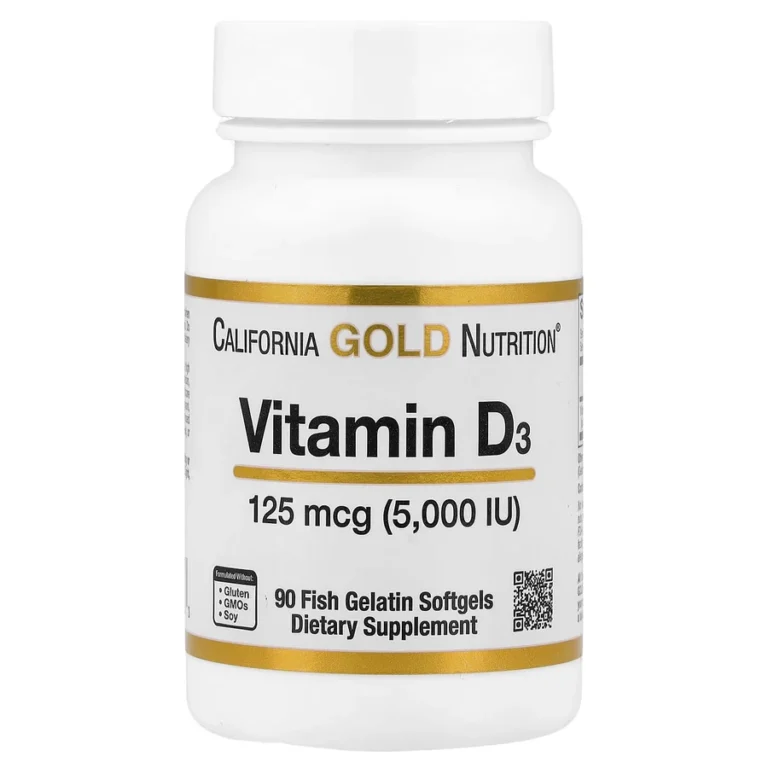
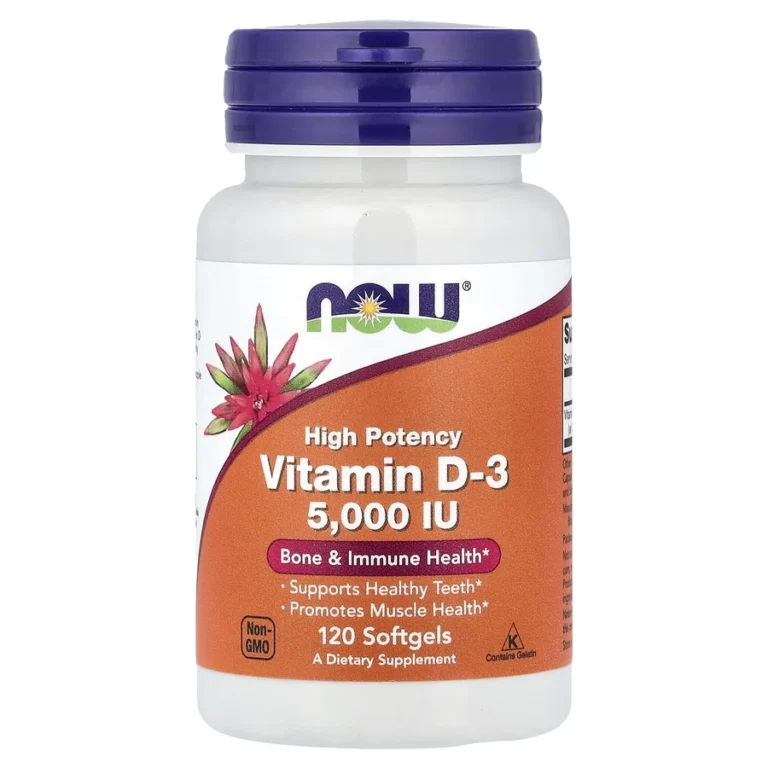
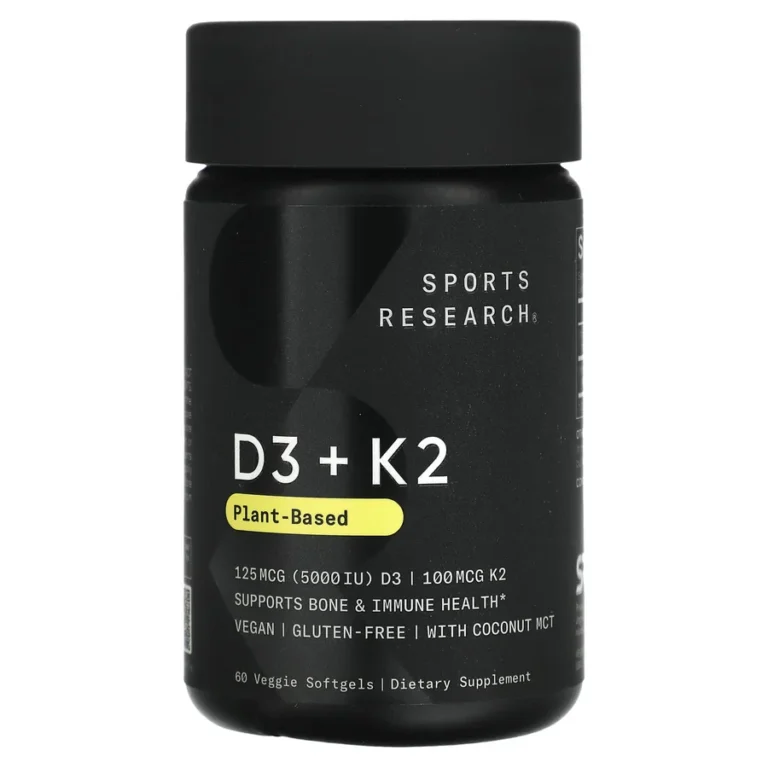
If the real question is no longer “Do I need vitamin D?” but “Which bottle actually fits?”, start with these live product analyses. They separate plain high-potency D3 value from combo formulas and premium label positioning.
Vitamin D decision table
| Question | Best next check | Useful internal route |
|---|---|---|
| You are considering vitamin D for the first time. | Check food, fortified foods, sunlight context, and whether testing is relevant. | Vitamin D test explained |
| You are choosing D2 vs D3. | Read the form and amount in mcg or IU on the label. | Read a supplement label |
| You are choosing D3 alone vs D3 + K2. | Decide whether added K2 is actually needed or just a convenience preference. | Vitamin D vs D3 + K2 |
| You are using higher-dose products. | Review dose, lab context, calcium issues, and overlapping supplements. | Vitamin D side effects |
| You want the best time to take it. | Pair consistency with meal context instead of over-optimizing the clock. | Best time to take vitamin D |
What vitamin D is
Vitamin D is a fat-soluble vitamin. Unlike many nutrients, it comes from several places: a few foods naturally contain it, many foods have it added, supplements can provide it, and the body can produce it in the skin after UV exposure.
That mix is part of why vitamin D questions can feel confusing. Your total vitamin D status is shaped by food, fortified foods, supplements, and sunlight exposure together, not by pills alone.
Science in simple terms
The clearest role of vitamin D is helping the body absorb calcium in the gut. That matters because calcium handling is closely tied to normal bone mineralization and bone remodeling.
In practical terms, vitamin D is less about a quick “boost” and more about supporting normal nutrient physiology over time. That is also why lab results, diet, age, and supplement dose matter more than marketing claims.
Why people take vitamin D
People usually take a vitamin D supplement for one or more of these reasons:
- They want to support normal vitamin D intake when food sources are limited.
- They rely on fortified foods inconsistently.
- They get little sun exposure or do not want to depend on sunlight alone.
- A clinician has suggested supplementation based on diet, age, medicines, or lab context.
- They are trying to correct a low intake pattern rather than chase a general wellness trend.
The key point is that people use vitamin D for different reasons, and those reasons do not always call for the same dose, timing, or need for testing.
What the evidence says
The strongest evidence base for vitamin D is its role as an essential nutrient involved in calcium absorption and normal bone-related physiology. That part is not speculative.
Where things become less simple is when vitamin D is marketed as a broad answer for many unrelated health goals. Testing and supplementation can be useful, but they should be matched to the person, their intake pattern, their medicines, and sometimes their lab results.
If you are choosing a product, it helps to focus on plain facts on the label rather than sweeping promises. Our guide on how to read a supplement label can help.
Strength of evidence
Evidence strength is not the same for every vitamin D claim. The most established ground is basic nutrition: vitamin D is required for normal calcium absorption and is important for bone mineralization and remodeling.
That does not mean every person needs a supplement, every person needs a lab test, or that taking more will lead to better outcomes. For vitamin D, the evidence supports a careful, individualized approach rather than a “more is better” mindset.
D2 vs D3 and what changes between them
Vitamin D in foods and supplements mainly comes in two forms: vitamin D2 and vitamin D3. According to NIH, both are well absorbed in the small intestine.
For many shoppers, the practical difference is simply what form appears on the label and how the dose is listed. What matters most is reading the product carefully, knowing how much you are actually taking, and fitting that amount to your overall intake and your goals.
If you are comparing bottles, check the serving size, the form listed, the amount in mcg or IU, and the Daily Value. That is where label literacy matters most.
Timing and dosage context
Vitamin D does not need a complicated routine for most people. Because its absorption is enhanced when fat is present in the gut, taking it with a meal that contains some fat can make practical sense, although some vitamin D is absorbed without dietary fat.
For adult intake context, NIH lists a recommended dietary allowance of 15 mcg, or 600 IU, for ages 19 to 70, and 20 mcg, or 800 IU, for adults older than 70. These are general intake targets, not a universal prescription for every supplement plan.
If you want a more detailed look at routine-building, see best time to take vitamin D. The bigger point is that timing is usually secondary to the right dose, consistency, and whether supplementation makes sense for you in the first place.
Side effects and signs of too much
Vitamin D toxicity is almost always due to excessive intakes from supplements, not everyday food intake. NIH notes that too much vitamin D can cause hypercalcemia.
Signs and symptoms linked with excessive intake can include:
- Nausea
- Vomiting
- Muscle weakness
- Dehydration
- Excessive thirst
- Kidney stones
This is one of the clearest reasons not to self-escalate dose just because a product is easy to buy. If the label also includes other ingredients or overlapping fat-soluble vitamins, slow down and compare the whole formula. For multivitamin, calcium plus D, D3 + K2, and fortified-food overlap, use the Multivitamin Overlap Map. If you want a fuller safety overview, read vitamin D side effects.
Interactions
Vitamin D supplements can interact with some medicines. NIH lists orlistat, statins, steroids, and thiazide diuretics among the important examples.
That does not mean vitamin D is automatically unsafe with these medicines, but it does mean the conversation should be individualized. If you use one or more prescription drugs regularly, vitamin D is not something to treat as totally separate from your medication list.
Should vitamin D be taken with magnesium or K2?
That depends on what question you are really trying to answer. Some readers compare vitamin D by itself with D3 + K2 products because the marketing makes it sound like everyone needs the combo. In reality, this is more nuanced than the label usually suggests.
If you want the cleaner comparison, start with vitamin D alone vs D3 + K2. Magnesium can matter in the broader picture too, but that does not mean every vitamin D routine has to turn into a stack.
Can you get enough vitamin D from sunlight alone in winter?
Sometimes no, and that is one reason vitamin D comes up so often. Sun exposure, latitude, season, skin exposure, and day-to-day routine can all change the picture. For some people, winter is exactly when food and supplements start to matter more.
That still does not mean everyone needs the same dose. It means season is one of the reasons vitamin D decisions often need more context than a generic “immune support” label gives you.
Can vitamin D help with fatigue or low mood?
It may, but not in a guaranteed or universal way. Vitamin D is often pulled into fatigue and low-mood conversations, but those symptoms are broad and can come from many causes. The case gets stronger when low vitamin D is actually plausible or already documented, not when the symptom list alone feels familiar.
That is why this page works best alongside vitamin D testing context instead of replacing it.
Who may benefit
People who may find vitamin D supplementation worth discussing include those whose intake from food is low, those who do not regularly consume fortified foods, those with limited sunlight exposure, older adults, and people whose clinicians are looking at vitamin D status in the context of their broader health picture.
The most sensible way to think about benefit is not “everyone should take it,” but “some people have more reason to review intake, labs, and dose than others.”
Who should use caution
Caution makes sense if you are already taking high-dose vitamin D, combining several supplements that may overlap, using medicines known to interact, or have been told you have abnormal calcium or vitamin D labs.
Use extra care if you are making decisions based on symptoms alone or on a social media recommendation. Vitamin D plans should be individualized when lab values, medicines, or higher doses are involved.
If you are unsure whether your situation calls for self-care or clinical advice, start here: when to talk to a clinician.
Food sources and sunlight context
Few foods naturally contain much vitamin D. In the United States, fortified foods provide most dietary vitamin D for many people.
Sunlight also matters because the skin can produce vitamin D after UV exposure. But sunlight is only one part of the picture, and it does not make supplement decisions automatic. Diet, fortified food intake, season, location, routine, and lab context all shape the real-world answer.
That is why vitamin D planning works best when you look at the whole pattern instead of asking whether supplements or sunlight are “better.”
Relevant labs and biomarkers
The main blood marker used to assess vitamin D status is serum 25-hydroxyvitamin D, written as 25(OH)D.
NIH notes that:
- Levels of 50 nmol/L, or 20 ng/mL, and above are sufficient for most people.
- The risk of deficiency rises below 30 nmol/L, or 12 ng/mL.
- Levels above 125 nmol/L, or 50 ng/mL, can be associated with adverse effects.
Testing is useful when it is tied to a real decision, such as whether supplementation is needed, whether a dose is appropriate, or whether intake may be too high. It is less useful when done without a plan for how the result will change what you do next.
For a broader testing overview, see what blood tests matter before vitamin D.
Vitamin D product pages worth comparing
If you already know you want a daily vitamin D product and the real question is which bottle is the better fit, these product pages show where daily 5,000 IU looks strongest, where D3 plus K2 changes the formula story, where overlap risk appears, and how price, softgel format, and label simplicity change the decision.
- NOW Vitamin D3 5000 IU
- Doctor’s Best Vitamin D3 5000 IU
- California Gold Nutrition Vitamin D3 5000 IU
- Sports Research D3 + K2 Plant Based 5000 IU
If you want to compare house-brand value, mainstream science-forward labels, and a more premium plant-based combo formula, browse NOW Foods, Doctor’s Best, California Gold Nutrition, Sports Research, or the broader Products Hub.
Compare specific product labels:
- Nature's Way Sambucus Elderberry Immune Gummies: An elderberry gummy with added C, D3, zinc and sugar; separate extract amount from fresh-fruit equivalence.
FAQ
Is vitamin D the same as sunlight?
No. Sunlight can help your skin produce vitamin D, but vitamin D also comes from foods, fortified foods, and supplements.
Should I choose D2 or D3?
Both D2 and D3 are main supplemental forms of vitamin D, and both are well absorbed in the small intestine. The right choice often comes down to the product, the dose, and your overall plan.
Should I take vitamin D with food?
Taking it with a meal that contains some fat can help absorption, although some vitamin D is absorbed without dietary fat.
Do I need a blood test before taking vitamin D?
Not always. A blood test is most helpful when the result will guide a real decision about whether you need supplementation or whether your current dose makes sense.
Can you take too much vitamin D?
Yes. Toxicity is almost always due to excessive intake from supplements. That is why high-dose use should not be casual.
What amount do adults generally need?
NIH lists a recommended dietary allowance of 600 IU for adults ages 19 to 70 and 800 IU for adults over 70. These are general intake targets, not proof that everyone needs the same supplement dose.
Evidence map
What the evidence changes in the decision
| Claim | Evidence type | Reader decision | Freshness risk |
|---|---|---|---|
| Vitamin D decisions are strongest with lab context | Lab marker evidence | A 25(OH)D test is more useful than guessing from fatigue, mood, or winter season alone. | High |
| Dose strength is not the same as dose fit | Safety and dosing boundary | High-dose products should be interpreted with baseline level, duration, and clinician context. | High |
| D3/K2 is a separate decision, not an automatic upgrade | Comparison synthesis | Combination products can be convenient but may not fit every medication or dose-adjustment situation. | Medium |
This table is a decision aid. It does not diagnose a deficiency, predict individual benefit, or replace medication-specific advice.
Direct answers to common vitamin D supplement questions
What is a vitamin D supplement?
A vitamin D supplement provides vitamin D, usually as D2 or D3, to add to what you get from foods, fortified foods, and sun exposure. Its clearest role is supporting normal calcium absorption and bone-related physiology.
Is vitamin D3 better than vitamin D?
Vitamin D3 is one form of vitamin D. For shoppers, the practical question is whether the label lists D2 or D3, the amount in mcg or IU, the Daily Value, and whether the dose fits your context.
Who may need a vitamin D supplement?
People with low intake from foods, limited sun exposure, older adults, or people whose clinicians are checking vitamin D status may be more likely to discuss supplementation. It is not automatically needed by everyone.
What should you check before buying vitamin D?
Check form, amount, serving size, Daily Value, other ingredients, overlapping fat-soluble vitamins, and whether the dose is higher than you actually need. If vitamin D also appears in a daily multi, use the Multivitamin Overlap Map before adding another product.
Update Note
Last reviewed and updated on October 2, 2026. Added glossary-linked label checks and a decision table for vitamin D testing, D3 + K2 comparisons, side-effect context, and timing questions.
Editorial information
Reviewed for Trust
- Publisher: Supplement Explained Editorial Team
- Review model: Editorial evidence review; clinician review is shown only when a named clinician is listed.
- Last reviewed: October 2, 2026
- Last updated: October 2, 2026
- Editorial Policy | How We Review Evidence | Research Process | Disclaimer
- Use: Informational only. Not personal medical advice.