
What Blood Tests Matter Before Taking Vitamin D?
If you are thinking about starting a vitamin D supplement, routine lab testing is not always necessary. The main blood test used to assess vitamin D status is a serum 25-hydroxyvitamin D test, usually written as 25(OH)D. But whether testing is useful depends on context, and the result is not as simple as many people assume.
This guide explains what the test can help with, when it may be worth discussing, and where people often overread a single number. For a general overview of the supplement itself, see our vitamin D guide.
Quick answer
Before taking vitamin D, most people do not need routine blood work just to buy a supplement. If testing is considered, the blood test that usually matters is serum 25(OH)D, because it is the main indicator of vitamin D status.
Testing may be worth discussing if deficiency or excess is suspected, if symptoms suggest a related problem, if your risk is higher, or if a clinician is monitoring treatment for deficiency. In healthy people without a specific reason to test, routine screening is generally not recommended.
Interpretation also needs care. According to NIH ODS, levels of 50 nmol/L (20 ng/mL) or more are sufficient for most people, the risk of deficiency rises below 30 nmol/L (12 ng/mL), and levels above 125 nmol/L (50 ng/mL) can be associated with adverse effects. Even so, assay differences and ongoing debate about ideal levels mean the result should not be treated like a simple pass-or-fail score.
On this pageTable of Contents
- 1The main test that usually matters
- 2Why 25(OH)D is used
- 3When testing may be worth discussing
- 4What the result can and cannot tell you
- 5Is 25-hydroxy vitamin D the right test to check?
- 6Do calcium, magnesium, or PTH ever matter too?
- 7How often should vitamin D be retested after you start supplements?
- 8What readers commonly misunderstand
- 9Questions to discuss with a clinician
- 10FAQ
Featured Product Routes
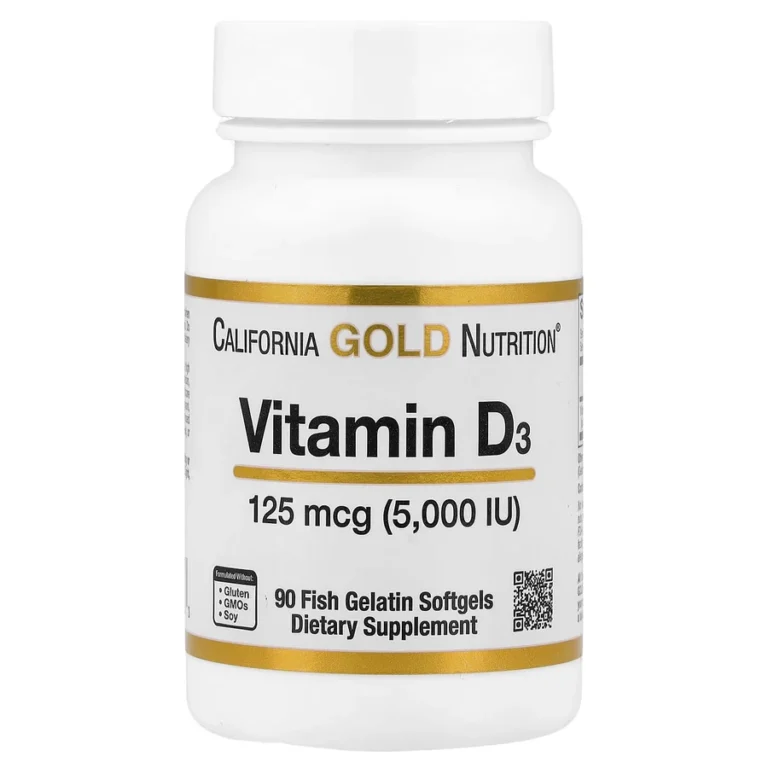
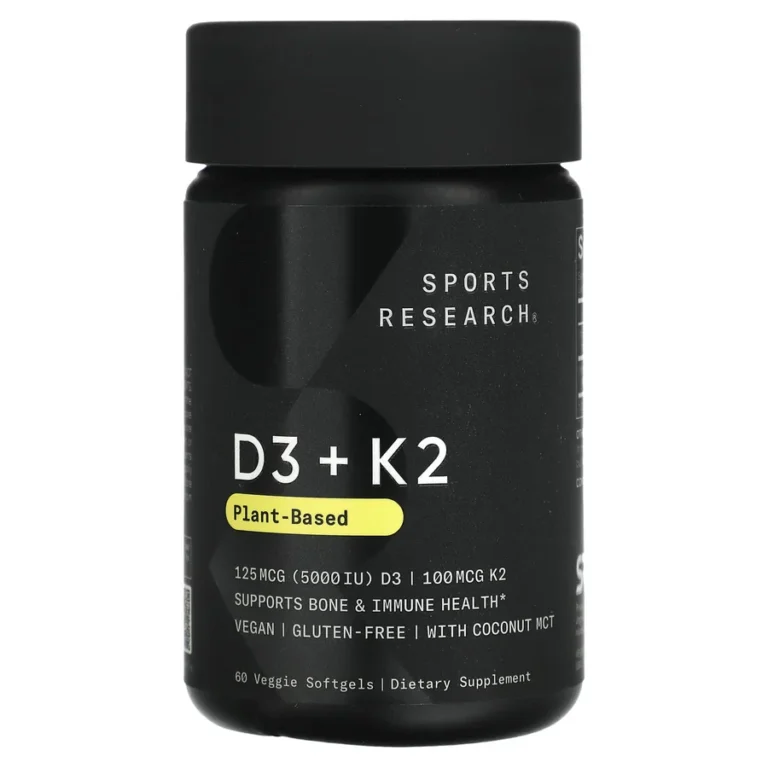
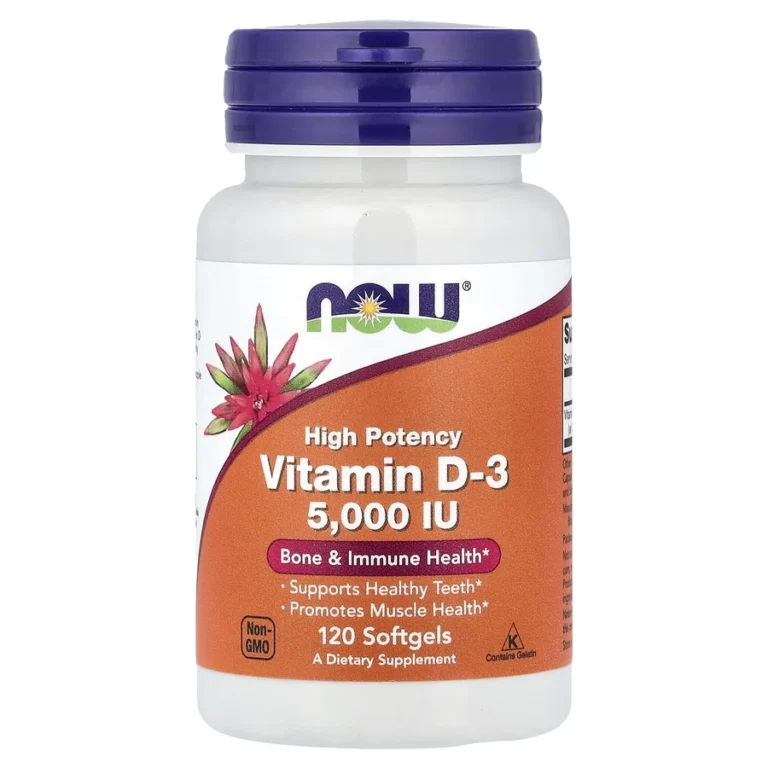
If your vitamin D testing questions are mostly settled and you are now comparing bottles, these live product pages show how current labels differ on dose, K2 pairing, and brand positioning.
The main test that usually matters
If you are asking what blood test matters before taking vitamin D, the usual answer is serum 25-hydroxyvitamin D, or 25(OH)D. This is the lab test most commonly used to estimate vitamin D status.
That matters because people often use the phrase “vitamin D test” loosely. In practice, when clinicians and labs are trying to assess vitamin D status, 25(OH)D is the test generally used for that purpose.
Why 25(OH)D is used
The NIH Office of Dietary Supplements identifies serum 25(OH)D as the main indicator of vitamin D status. That is why it is the test most people mean when they ask about checking vitamin D before supplementing.
Even so, the test is not perfect. NIH ODS notes that assessment is complicated by variability among available assays, and that optimal serum concentrations for general health are not firmly established. In plain English: the test is useful, but it is not a magic number that fully settles every question about dose, benefit, or long-term health.
When testing may be worth discussing
Not everyone needs vitamin D lab work before starting a supplement. MedlinePlus says a clinician may order a vitamin D test when deficiency or excess is suspected, when symptoms suggest a related problem, when risk is higher, or to monitor response when treating deficiency.
That means testing is usually most helpful when there is a specific clinical reason, not just curiosity. NIH ODS also notes that the Endocrine Society does not recommend routine testing of 25(OH)D in healthy individuals.
If you are unsure whether testing makes sense in your case, it may help to review the basics first and then decide whether to talk to a clinician.
What the result can and cannot tell you
A 25(OH)D result can help estimate your current vitamin D status. NIH ODS says that levels of 50 nmol/L (20 ng/mL) or more are sufficient for most people. The risk of deficiency rises below 30 nmol/L (12 ng/mL), and levels above 125 nmol/L (50 ng/mL) can be associated with adverse effects.
What the result cannot do is answer every practical question by itself. A single lab value does not automatically tell you the “perfect” supplement dose, whether you personally need routine retesting, or whether aiming higher is better. Because testing methods vary and ideal targets are still debated, interpretation should stay grounded and practical rather than overly precise.
If you do start a supplement, questions about how to take it are separate from whether you needed a lab test in the first place. You can read more about timing in our guide to the best time to take vitamin D.
Is 25-hydroxy vitamin D the right test to check?
Usually, yes. When people talk about checking vitamin D status, the test they usually mean is 25-hydroxyvitamin D, written as 25(OH)D. That is the standard test used to estimate vitamin D status in most routine supplement decisions.
It is the more useful starting point because it reflects stored vitamin D status better than the more specialized 1,25-dihydroxy form that people sometimes find online and overread.
Do calcium, magnesium, or PTH ever matter too?
Sometimes they do, especially when the decision is more complicated than a basic wellness question. Calcium can matter because vitamin D and calcium are closely linked. PTH may matter when a clinician is trying to understand low vitamin D in a bigger metabolic context. Magnesium may also matter in the broader picture, especially if someone is considering higher-dose vitamin D and already has reasons to think intake or status may be low.
That does not mean everyone needs a giant testing panel. It means the right lab conversation depends on the reason for testing, not just the supplement someone wants to buy.
How often should vitamin D be retested after you start supplements?
That depends on why you are taking it and whether a clinician is actively following a deficiency or a higher-dose plan. In routine situations, you do not need to panic-check vitamin D over and over. But if testing was part of a real deficiency workup, follow-up usually makes more sense after there has been enough time for the routine to actually change the number.
The practical point is simple: if you tested for a reason, make sure the retest timing matches that reason instead of treating vitamin D like a lab you should micromanage every few days.
What readers commonly misunderstand
Misunderstanding 1: Everyone should test before taking vitamin D. That is not what the evidence notes here support. Routine testing is not generally recommended for healthy people without a specific reason.
Misunderstanding 2: Any “vitamin D test” gives a simple yes-or-no answer. The main status test is 25(OH)D, and even that result needs interpretation in context.
Misunderstanding 3: One number tells you your ideal long-term target. NIH ODS notes that optimal serum concentrations for general health are not firmly established.
Misunderstanding 4: Higher is automatically better. It is not. NIH ODS notes that levels above 125 nmol/L (50 ng/mL) can be associated with adverse effects. If you want a practical overview of possible problems from too much vitamin D, see vitamin D side effects.
Misunderstanding 5: A lab result is comparable everywhere down to tiny differences. Assay variability means small differences can be overinterpreted.
Questions to discuss with a clinician
- Do I actually need a vitamin D test, or is routine testing unnecessary in my situation?
- If testing is appropriate, is the lab being ordered a serum 25(OH)D test?
- Am I being tested because deficiency is suspected, because my risk is higher, or to monitor treatment?
- How should my result be interpreted in context rather than as a stand-alone number?
- If I start supplementing, do I need follow-up testing, or can I simply use a reasonable plan and monitor symptoms and overall care?
FAQ
What blood test usually matters before taking vitamin D?
The main test people usually mean is serum 25-hydroxyvitamin D, written as 25(OH)D.
Does everyone need vitamin D testing before buying a supplement?
No. Routine testing is not generally recommended for healthy people without a specific reason to check.
What can a 25(OH)D result actually help with?
It can help estimate vitamin D status and support a real dosing or follow-up decision when testing is clinically relevant.
Can one vitamin D number tell me everything I need to know?
No. A result still needs context, and small differences can be overread because assays and ideal targets are not perfectly simple.
When is vitamin D testing more worth discussing?
It is more worth discussing when deficiency or excess is suspected, when risk is higher, or when a clinician is monitoring treatment.
Update Note
Last reviewed and updated on September 24, 2026. Added follow-up guidance on why 25(OH)D is the usual test, when calcium or PTH may matter too, and how to think about retesting.
Editorial information
Reviewed for Trust
- Publisher: Supplement Explained Editorial Team
- Review model: Editorial evidence review; clinician review is shown only when a named clinician is listed.
- Last reviewed: September 24, 2026
- Last updated: September 24, 2026
- Editorial Policy | How We Review Evidence | Research Process | Disclaimer
- Use: Informational only. Not personal medical advice.