
Is Sports Research a Good Supplement Brand?
Sports Research is worth comparing for products such as fish oil, collagen and creatine. Its appeal depends on the exact formula and testing record, not the words Sports Research on the bottle. Check the full serving, the particular certification and what you would pay for a comparable amount before choosing.
On this page
Reviewed products from this brand
Each review checks its own label and evidence. Brand-wide claims do not certify every product.
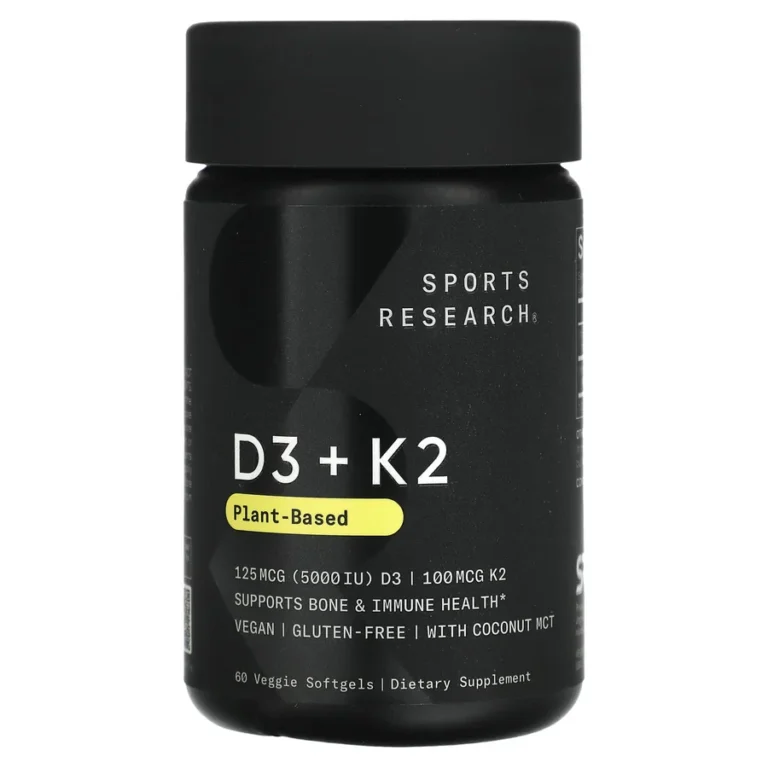
Sports Research D3 + K2 Plant Based 5000 IU
Lichen D3 125 mcg (5,000 IU); chickpea K2 MK-7 100 mcg per label serving.
Plant-Based D3 + K2 · 60 veggie softgels
Supplement Explained Score 68/100
Read the review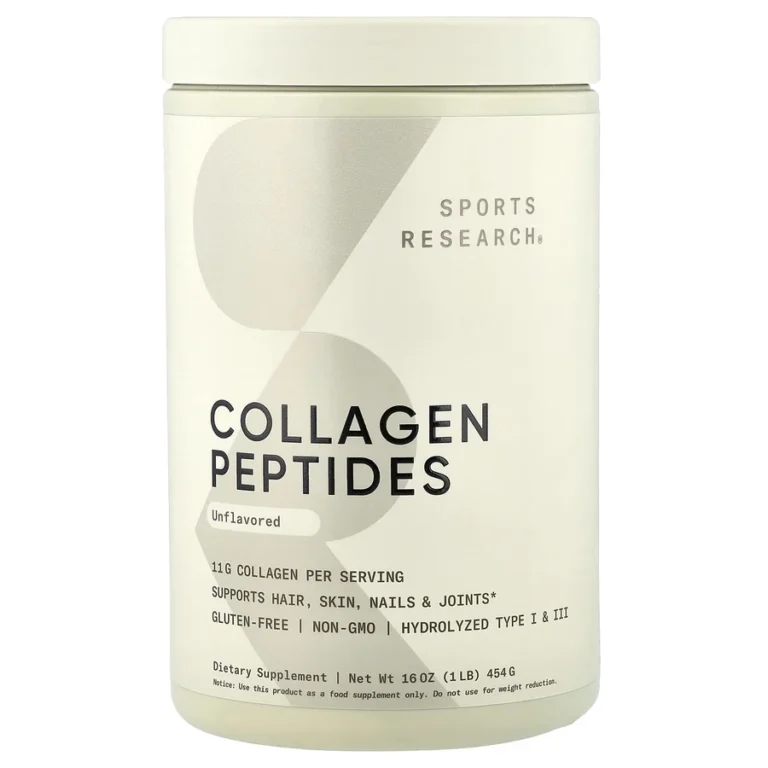
Sports Research Collagen Peptides Unflavored
Bovine collagen 11 g; declared protein 10 g per label serving.
Collagen Peptides · Unflavored · 454 g
Supplement Explained Score 64/100
Read the review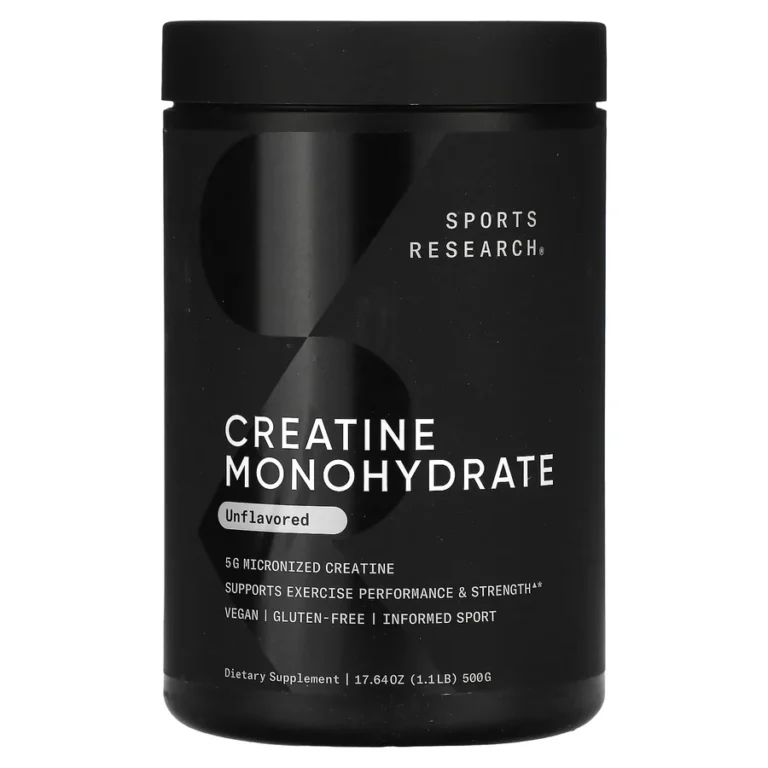
Sports Research Creatine Monohydrate 500 g
Micronized creatine monohydrate 5 g per label serving.
Creatine Monohydrate · Unflavored · 500 g
Supplement Explained Score 80/100
Read the review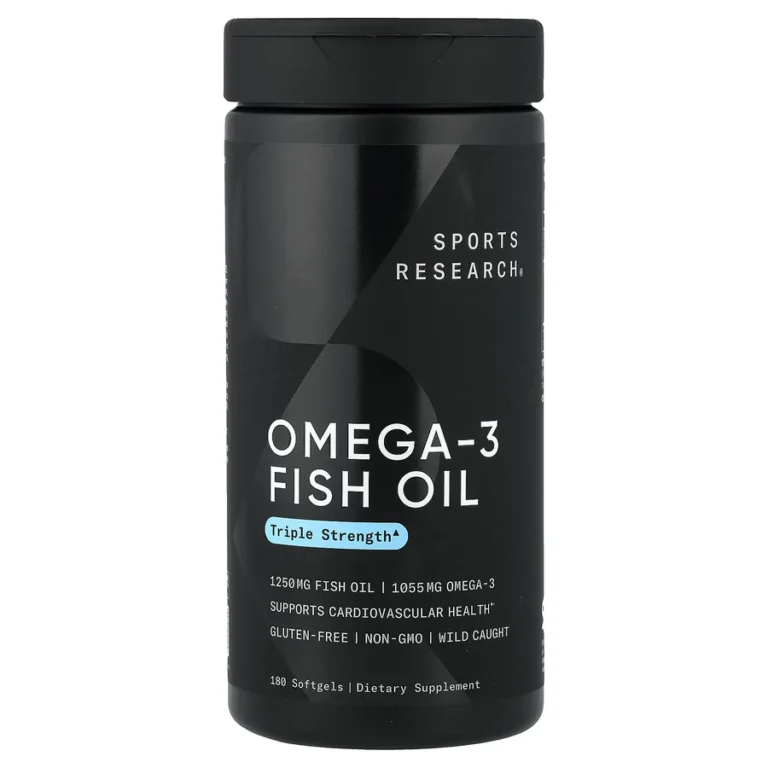
Sports Research Triple Strength Omega-3
Fish oil 1,250 mg; omega-3 1,055 mg; EPA 690 mg; DHA 310 mg per label serving.
Triple Strength Omega-3 · iHerb 180-softgel formula
Supplement Explained Score 68/100
Read the reviewStart with the right Sports Research product
Triple Strength Omega-3 Fish Oil needs an EPA/DHA comparison, not a contest over total fish-oil weight. Our current review distinguishes pack-specific labels: the reviewed 90- and 180-softgel offers should not be assumed to have identical DHA amounts. Confirm the panel on the bottle selected at checkout.
Collagen Peptides and a complete protein powder are not interchangeable. If your main goal is meeting protein needs for training, read the protein guide before paying for a collagen product as a substitute.
For Creatine Monohydrate, compare grams, servings and the exact quality record with other plain powders. Added ingredients, a familiar brand or a certification logo do not establish extra muscle gain over an equivalent product.
Match testing to the exact formula
Testing can help answer whether a supplement contains what its label says and whether specified contaminants or banned substances were checked. It does not prove that the product improves sleep, performance or another health outcome.
Start with the manufacturer’s documentation, then check the named testing organization’s directory where available. Match the product, flavor, market and relevant lot or listing. An IFOS fish-oil report is not a certification for collagen; an athlete-focused certification on one creatine powder is not blanket coverage of the brand.
Our testing guide separates finished-product records, ingredient claims and manufacturing standards. They should not be counted as the same evidence.
Where the price comparison becomes useful
Calculate fish-oil cost for the labeled EPA plus DHA, collagen cost for collagen grams, and creatine cost for creatine grams. Keep the seller, bottle size and discount conditions consistent. A sale price for one pack does not establish that the whole brand is cheaper.
If omega-3 is your main question, the Sports Research versus Nordic Naturals comparison is more useful than a brand-wide winner. It shows why serving size and exact label versions matter.
Products that deserve a separate safety check
The reviewed 5,000 IU D3 + K2 is a high-vitamin-D formula, not a default wellness choice. The US adult upper limit for routine total vitamin D intake is 4,000 IU daily. Adding K2 does not remove the risk of excessive vitamin D; vitamin K also matters for people taking warfarin.
Bring the actual supplement list to a pharmacist or clinician when medicines, pregnancy or an existing condition affect the choice. No brand reputation can make that decision for you.
Common questions
Are all Sports Research supplements certified for sport?
Do not assume so. Check the independent directory for the exact product and variant. A certification on one product does not cover the entire brand.
Is Sports Research fish oil better than Nordic Naturals?
There is no brand-wide winner. Compare the actual EPA/DHA serving, current testing documentation, tolerability, pack size and delivered cost.
Does third-party testing prove a supplement works?
No. Testing of identity, potency or contaminants answers different questions from a clinical trial of benefits and harms.
Sources
Updated October 8, 2026. How we evaluate evidence.