
Magnesium
Quick answer
Magnesium helps with many normal body processes, including muscle and nerve function, protein production, bone, DNA, and energy-related reactions. Different supplement forms are not identical: some are absorbed better than others, and some people tolerate certain forms better. It is not a supplement where more is always better. Side effects, medicine interactions, kidney function, and what you already get from food matter more than hype.
Magnesium is an essential mineral found in food, supplements, and some medicines. A magnesium supplement can be useful when food intake is low or when a clinician has suggested paying closer attention to magnesium status. The practical questions are usually simple: do you need more magnesium at all, which form fits best, and can you take it safely with your medicines and health history? For a wider supplement overview, see all supplements.
On this pageTable of Contents
- 1Magnesium decision table
- 2What magnesium is
- 3Science in simple terms
- 4Why people take magnesium
- 5What the evidence says
- 6Strength of evidence
- 7Common forms and what changes between them
- 8How to choose a magnesium product without overbuying
- 9Timing and dosage context
- 10Side effects
- 11Interactions
- 12Who may benefit
- 13Who should use caution
- 14FAQ
Featured Product Routes
If magnesium already looks like the right ingredient, move from generic form talk to real label tradeoffs. These live product analyses are the fastest way to compare dose, format, price, and brand style.
 Powder Thorne Magnesium Bisglycinate Elemental magnesium 200 mg per label serving.
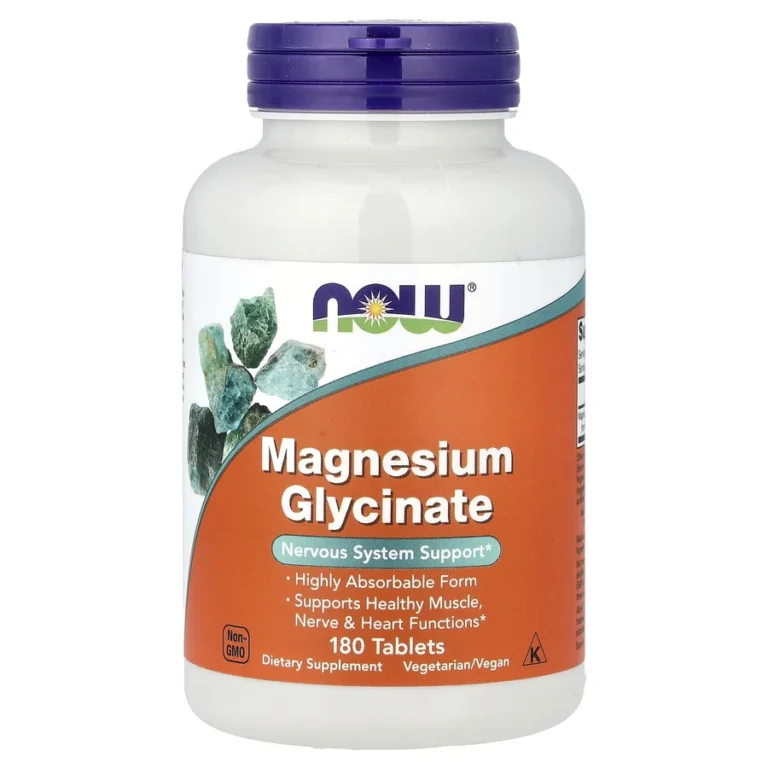 Tablets NOW Magnesium Glycinate Elemental magnesium 200 mg (100 mg per tablet) per label serving.
 Tablets Doctor's Best High Absorption Magnesium Elemental magnesium 200 mg; lysinate/glycinate chelate per label serving.
Magnesium decision table
| Question | Best next check | Useful internal route |
|---|---|---|
| You want a basic magnesium supplement. | Check form, elemental magnesium, serving size, and tolerance risk. | Compare magnesium products |
| You are choosing between popular forms. | Compare use case and stomach tolerance instead of form-name hype. | Glycinate vs citrate |
| You are buying magnesium for sleep. | Separate bedtime routine questions from actual sleep-disorder questions. | Melatonin vs magnesium |
| You take medicines or other minerals. | Check spacing, absorption, and mineral stacking before adding it. | Magnesium interactions |
| You get diarrhea or loose stools. | Review form, dose, serving burden, and total magnesium exposure. | Magnesium diarrhea |
What magnesium is
Magnesium is a mineral your body needs every day. It is naturally present in many foods, added to some foods, available as a dietary supplement, and also found in some medicines such as antacids and laxatives.
That last point matters because people sometimes forget to count all sources together. A supplement may not be your only source of magnesium.
Science in simple terms
Magnesium helps your body run many basic jobs in the background. It supports normal muscle and nerve function, helps regulate blood glucose and blood pressure, and is involved in protein production, bone, DNA, and energy-related reactions.
In plain English: magnesium is less about one flashy effect and more about helping many everyday systems work normally.
Why people take magnesium
Most people look at magnesium for one of two reasons. The first is simple nutrition: they want to close a gap if their diet is light on magnesium-rich foods. The second is goal-based use, where magnesium is often marketed for broad wellness outcomes such as relaxation or better routines around sleep and recovery.
That is where expectations should stay realistic. Magnesium is important, but that does not mean every popular use case has equally strong support for every person.
What the evidence says
The strongest basic point is that magnesium is essential and many people would benefit from paying attention to overall intake. Food and supplements can both help raise magnesium intake.
Beyond that, the picture gets more specific. Evidence is not equally strong for every reason people buy a magnesium supplement. Marketing often jumps from “magnesium is important” to “this form is ideal for every goal,” and that is a bigger leap than the evidence supports.
A practical approach is to match the supplement to the actual reason for taking it, look at total intake from food and medicines too, and keep expectations grounded.
Strength of evidence
- Well established: magnesium is an essential nutrient involved in many normal body functions.
- Well established: foods and supplements can contribute to magnesium intake.
- Well established: supplement forms differ in absorption, and side effects and interactions are real safety considerations.
- More variable: many popular wellness claims depend on the person, the reason for use, the form used, and whether there is an actual intake gap to address.
Common forms and what changes between them
Magnesium supplements come in different forms, and the form mainly changes things like absorption and practical fit. According to NIH ODS guidance, forms such as magnesium aspartate, citrate, lactate, and chloride tend to be more bioavailable than magnesium oxide and sulfate.
For a concrete label comparison, Solaray glycinate powder supplies 350 mg per scoop, while Solaray Magnesium Citrate supplies 400 mg per three capsules from citrate and marine magnesium. Neither serving should be assumed to match your personal need.
That does not make one form automatically “best” for everyone. The better choice is often the one that matches your goal, your stomach tolerance, your label preferences, and your budget.
If you are narrowing the choice between common forms, start with magnesium glycinate vs citrate or magnesium glycinate vs threonate instead of assuming the most premium-sounding label wins.
If you are comparing products, it helps to read the actual form on the label, check the serving size, scan other ingredients, and keep tolerability in mind instead of assuming one trendy form wins automatically. Our guide on how to read a supplement label can help with that step.
If you are already in product-comparison mode, the first magnesium product pages now live in our products hub: Thorne Magnesium Bisglycinate, NOW Magnesium Glycinate Tablets, and Doctor’s Best High Absorption Magnesium.
If the product decision is turning into a bigger trust question, compare Thorne, NOW Foods, and Doctor’s Best before assuming the highest price or the most familiar label is automatically the best fit.
Timing and dosage context
General adult recommended amounts are about 400 to 420 mg per day for men and 310 to 320 mg per day for women, with variation by age and life stage. These numbers are useful context for total daily magnesium needs, not a signal that everyone should take that much from a supplement.
In practice, timing is usually about consistency and tolerance. Some people prefer taking magnesium with food, and some choose a time of day that best fits their routine. If you want a routine-focused overview, see best time to take magnesium.
If your main interest is sleep, it helps to separate broad magnesium questions from sleep-specific decision-making. Our sleep guide can help with that.
Because products vary, it is sensible to follow the label and avoid treating high intake as automatically better. If your situation is more complicated, talking with a clinician is the safer next step.
Side effects
High intakes from supplements or medicines can cause diarrhea, nausea, and abdominal cramping. This is one of the most common reasons people stop a product or switch forms.
If your concern is next-day grogginess after magnesium glycinate, compare the exact label and sleep routine instead of assuming the form explains it.
Very high intakes can lead to serious toxicity, especially in people with impaired kidney function. If diarrhea is your main question, see can magnesium cause diarrhea?
Interactions
Magnesium supplements can interact with some medicines. NIH ODS notes interactions with bisphosphonates, tetracycline antibiotics, quinolone antibiotics, and some diuretics. Long-term proton pump inhibitor use can also affect magnesium status.
If you take regular medicines, check the details before adding a supplement. A practical starting point is magnesium interactions; for an medicine-spacing reference, use the Magnesium Interaction Timing Map.
Who may benefit
People who get little magnesium from food may want to review whether a supplement makes sense. This can be especially relevant if your usual diet is low in legumes, nuts, seeds, whole grains, green leafy vegetables, and fortified foods.
Someone comparing magnesium products may also benefit from stepping back and asking a basic question first: am I trying to fill an intake gap, or am I chasing a broad marketing promise?
Who should use caution
Use extra caution if you have impaired kidney function, take medicines that may interact with magnesium, or already get magnesium from antacids or laxatives. In those situations, total intake and safety matter more than trying a trending form.
If you are unsure whether magnesium is appropriate for you, start with when to talk to a clinician.
Food sources
Magnesium is naturally present in many foods. Key sources include:
- Legumes
- Nuts
- Seeds
- Whole grains
- Green leafy vegetables
- Some fortified foods
For many people, improving food intake is the simplest first step before buying a supplement.
Relevant labs and biomarkers
Lab testing can sometimes add context, but the value of testing depends on the situation and on how the results are interpreted. If you are thinking about magnesium because of symptoms, medication use, or a more complex health picture, testing is best discussed with a clinician rather than guessed from marketing.
For a plain-English overview, see magnesium testing explained.
What users often get wrong
- “Magnesium is essential, so more must be better.” That jump is where a lot of poor supplement decisions start.
- “A trendy form must be the best form.” Form and bioavailability matter, but use case, tolerance, and total intake matter too.
- “My supplement is the only source that counts.” Magnesium may also be coming from antacids, laxatives, fortified foods, or other products.
- “If a product is sold for sleep or recovery, the evidence must be equally strong for everyone.” It is not.
Can magnesium help with sleep?
It may help in some cases, but the useful question is usually why sleep is off in the first place. Magnesium is often discussed for sleep because it can fit a calmer evening routine and because some people are drawn to forms like glycinate for that reason.
A separate question is whether magnesium treats sleep apnea: a sleep-quality study cannot establish an effect on breathing interruptions.
That still does not make magnesium a universal sleep fix. If the real issue is timing, stress, caffeine, shift work, or another medical sleep problem, magnesium may only be a small part of the answer.
Why are there so many different magnesium forms?
Because “magnesium” is not one shopping decision. Different forms are often used to change stomach tolerance, serving size, marketing story, or practical fit. That is why oxide, citrate, glycinate, and threonate can all feel like different products even when the front of the bottle just says magnesium.
The smarter move is not memorizing every form. It is learning which differences actually change your decision.
How do you choose the right magnesium product?
Start with the goal, then check the form, the real magnesium amount, the serving burden, and whether the product is likely to upset your stomach. That is usually enough to eliminate a lot of bad fits fast.
If you are already comparing bottles, the next useful stop is our magnesium product pages rather than another generic “benefits” list.
Magnesium Products to Compare
Use product pages only after the form and safety question are clear. These examples show how elemental amount, serving burden, verification, and price can produce very different decisions inside the same ingredient category.
- Solaray Magnesium Glycinate Higher full-serving dose and lower normalized cost, but four capsules and added BioPerine.
- Pure Encapsulations Magnesium Glycinate Clear 120 mg capsule math and minimal extras at a premium.
- Nature Made Magnesium Glycinate A two-capsule mainstream route with 200 mg per serving.
- Life Extension Neuro-Mag A premium L-threonate option when the form-specific question is intentional.
Product examples to compare
- Garden of Life Dr. Formulated Magnesium Gummies: Raspberry citrate gummies: 100 mg magnesium each; four gummies supply 400 mg and use up the bottle in 15 days.
FAQ
Is magnesium a supplement most people should take automatically?
No. Magnesium is essential, but that does not mean everyone needs a supplement. Diet, total intake, medicines, and your reason for taking it matter first.
Are all magnesium forms basically the same?
No. Forms can differ in absorption and in how well some people tolerate them. That is why form choice should follow your goal and your tolerance, not just marketing.
Can magnesium cause diarrhea?
Yes. Higher intakes from supplements or medicines can cause diarrhea, nausea, and abdominal cramping, and some forms are more likely to do that than others.
Should I take magnesium with food?
Sometimes that is the more practical choice, especially if your stomach is sensitive. For many people, consistency and tolerance matter more than a perfect clock time.
Can magnesium interact with medicines?
Yes. Magnesium can matter for the timing or absorption of certain medicines, which is why medication review is important before stacking it into a routine.
Do I need magnesium testing before taking a supplement?
Not always. Testing may help in a more complex situation, but it is not a routine requirement for every shopper. Our magnesium testing explainer covers that in more detail.
Evidence map
What the evidence changes in the decision
| Claim | Evidence type | Reader decision | Freshness risk |
|---|---|---|---|
| The first decision is usually form and tolerance | Ingredient owner synthesis | Constipation, sleep routine, muscle cramps, medication spacing, and GI sensitivity point to different routes. | High |
| Elemental magnesium is the comparison number | Label math | Front-label compound weight can confuse buyers; compare elemental amount per serving. | High |
| Medication and kidney context can override product preference | Safety boundary | Safety checks should come before brand, price, or review popularity. | Medium |
This table is a decision aid. It does not diagnose a deficiency, predict individual benefit, or replace medication-specific advice.
Direct answers to common magnesium supplement questions
What is a magnesium supplement?
A magnesium supplement is a product that adds magnesium to your total intake. It can be useful when dietary intake is low, but it should be judged alongside food intake, medicines, side effects, and the exact form on the label.
Which magnesium supplement is best?
There is no single best magnesium supplement for everyone. The best choice depends on the goal, form, bioavailability, elemental magnesium per serving, tolerance, and medicine timing.
Is magnesium glycinate good for sleep?
Magnesium glycinate is commonly chosen by people shopping around sleep or evening routines, but that does not prove it is a universal sleep fix. If sleep is the goal, compare expectations, timing, and the broader sleep context.
A common label question is whether glycinate and bisglycinate mean different things; compare the complete ingredient sources, not just the wording.
What should you check before buying magnesium?
Check the form, elemental magnesium amount, serving size, pill or scoop burden, other ingredients, and whether the product could interact with medicines.
Update Note
Last reviewed and updated on October 7, 2026. Added glossary-linked label checks and a decision table for magnesium forms, sleep comparisons, interactions, side effects, and product selection.
Editorial information
Reviewed for Trust
- Publisher: Supplement Explained Editorial Team
- Review model: Editorial evidence review; clinician review is shown only when a named clinician is listed.
- Last reviewed: October 7, 2026
- Last updated: October 7, 2026
- Editorial Policy | How We Review Evidence | Research Process | Disclaimer
- Use: Informational only. Not personal medical advice.