
Melatonin vs magnesium for sleep
If you are choosing between melatonin and magnesium for sleep, the most important point is that they are not interchangeable. Melatonin is tied to sleep timing. Magnesium is an essential mineral with a much less direct sleep role. The better option depends on what kind of sleep problem you are actually trying to solve.
This comparison focuses on evidence fit, real-world use case, and practical tradeoffs. It does not assume either supplement is the universal best choice for insomnia or sleep quality. You can also see our broader guide to sleep goals.
Fast verdict for Melatonin vs Magnesium for Sleep: Which Fits Timing, Sleep Quality, and Tolerance Better?
Melatonin suits sleep-timing problems such as jet lag or a delayed body clock, while magnesium suits broader bedtime-routine or mineral-status questions where the sleep evidence is more limited.
- For sleep timing problems, melatonin is usually the more logical fit. That includes situations like jet lag or a delayed sleep schedule.
- For general “I want a simple bedtime supplement” questions, magnesium is a different category. It may appeal more when someone is thinking about overall mineral status, routine fit, or a gentler non-circadian option.
- For chronic insomnia, neither one clearly wins for everyone. Melatonin has some evidence of benefit, but the overall impact appears modest and the evidence quality varies. Magnesium research is more limited and more uncertain.
- If your main question is timing, start by understanding melatonin. If your main question is broader support or nutrient status, magnesium may be the more natural comparison.
For supplement-specific overviews, see melatonin and magnesium. If melatonin is still on the shortlist, the Melatonin Timing and Grogginess Map can help check whether the issue is timing, dose, product fit, or next-day grogginess.
On this pageTable of Contents
- 1Fast verdict for Melatonin vs Magnesium for Sleep: Which Fits Timing, Sleep Quality, and Tolerance Better?
- 2Melatonin vs magnesium: quick decision table
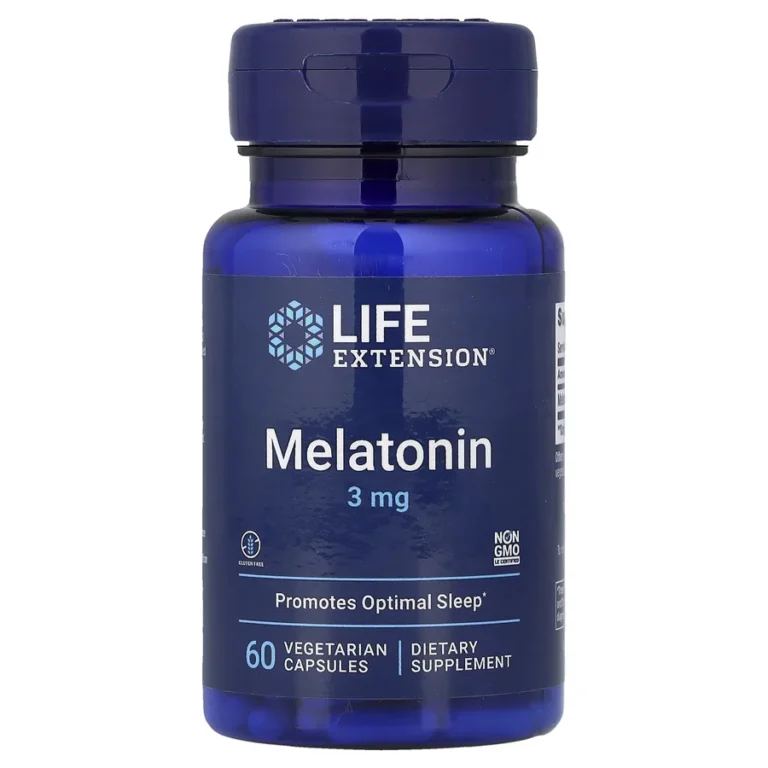
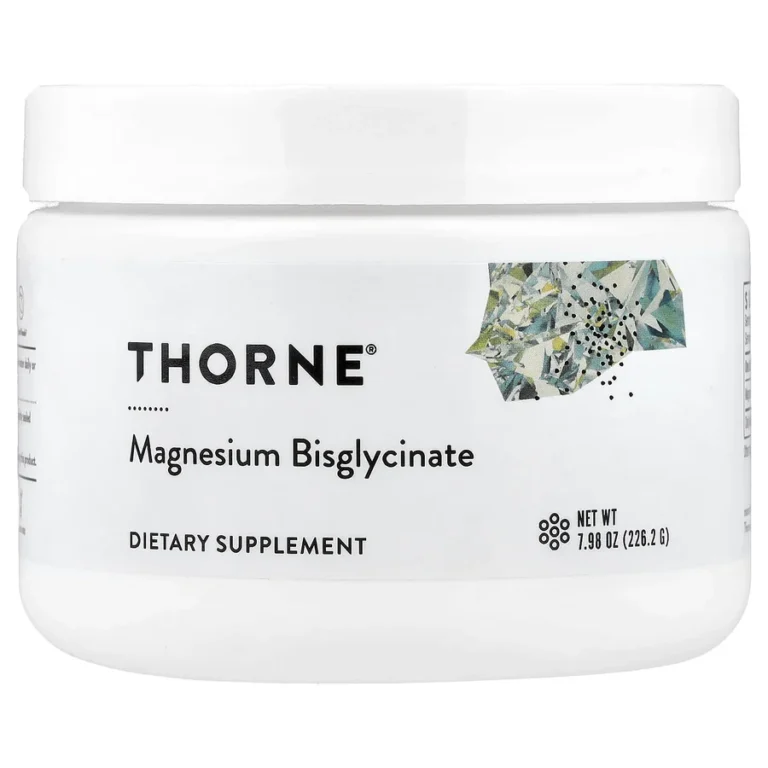
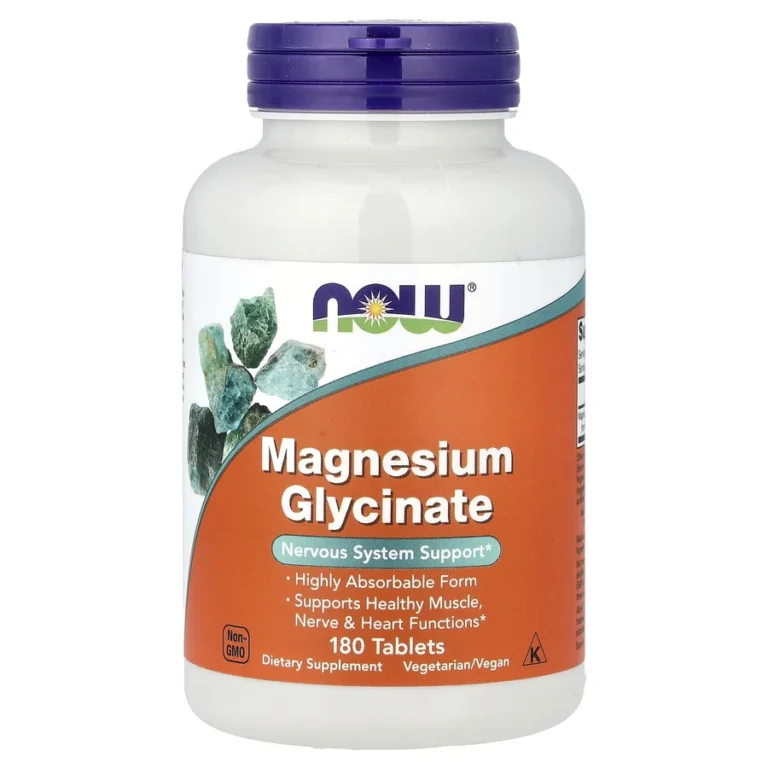
- 3If this comparison turned into a product decision
- 4What do melatonin and magnesium have in common?
- 5Where does melatonin stand out?
- 6Where does magnesium stand out?
- 7What are the tolerance and practicality tradeoffs?
- 8Which option fits which use case?
- 9What do users often get wrong?
- 10When should you talk to a clinician?
- 11FAQ
Melatonin vs magnesium: quick decision table
Use this table to separate sleep-timing questions from broader bedtime-routine questions.
| Decision point | Melatonin | Magnesium |
|---|---|---|
| Best reason to choose it | Sleep timing, jet lag, or a delayed body clock. | Broader routine fit or mineral-intake context, not a direct circadian tool. |
| Evidence fit | More directly tied to circadian timing, with modest insomnia evidence. | Sleep evidence is more limited and less consistent. |
| Common wrong assumption | That it works like a general sedative for all insomnia. | That it works the same way as melatonin. |
| Label check that matters | Milligrams per serving size and whether the dose is higher than you intended. | Magnesium form, serving burden, and bowel-tolerance risk. |
If this comparison turned into a product decision
Use these pages only after the use case is clear: melatonin for timing questions, magnesium for broader mineral-status or routine questions.
What do melatonin and magnesium have in common?
Both are commonly used by people who want better sleep, but they enter the conversation for different reasons. Neither should be treated as a guaranteed fix for insomnia, and neither automatically addresses the many non-supplement causes of poor sleep.
Both also get oversimplified online. People often ask which one is “stronger,” but that frames the choice the wrong way. A better question is whether your issue looks more like a sleep-timing problem or a broader sleep-quality problem with no obvious timing shift.
There is also an evidence gap for both. Melatonin has a clearer biological role in circadian timing, while magnesium has a clear role as an essential nutrient. But for chronic insomnia and everyday sleep complaints, the research does not support a one-size-fits-all answer.
Where does melatonin stand out?
Melatonin stands out when the sleep problem is really about when your body is ready to sleep. According to NCCIH, melatonin is a hormone tied to circadian timing and may help with jet lag and delayed sleep-wake phase disorder. That makes it the more logical option when your schedule is shifted later than you want.
For chronic insomnia, the picture is less clear. NCCIH says there is not enough strong evidence to recommend melatonin for chronic insomnia. At the same time, a 2022 review of systematic reviews and meta-analyses found some efficacy, though the evidence base varied in quality, and a 2023 systematic review and meta-analysis found improvements in some insomnia outcomes but with modest clinical impact.
In practical terms, melatonin makes the most sense when your question sounds like this: “My body clock feels off,” “I cannot fall asleep until very late,” or “I am dealing with travel-related timing disruption.” If that is your situation, melatonin usually has the stronger logic.
If timing is your main issue, you may also want our guide to the best time to take melatonin.
Where does magnesium stand out?
Magnesium stands out less for circadian timing and more for people who are thinking about sleep in a broader lifestyle or nutrition context. The Office of Dietary Supplements describes magnesium as an essential nutrient, which is a very different starting point from melatonin’s hormone-based timing role.
Our guide to why magnesium may not improve sleep separates the small trial benefit from a guarantee for any individual or product.
The sleep evidence for magnesium is more limited. A 2021 systematic review and meta-analysis in older adults found low- to very-low-quality evidence that magnesium supplementation may reduce sleep onset latency. A 2024 systematic review reported that observational studies suggest magnesium status is associated with sleep quality, but randomized trials show uncertain or contradictory findings.
That means magnesium is usually not the first-choice answer for jet lag, delayed sleep phase, or other obvious body-clock questions. It is more often considered by people who want a non-circadian option, already care about nutrient intake, or want something that fits into a general evening routine without specifically targeting sleep timing.
If that sounds like you, see the best time to take magnesium.
What are the tolerance and practicality tradeoffs?
From a practical standpoint, melatonin is usually the more targeted tool, but that also means expectations should be specific. It is most sensible when the goal is to influence sleep timing, not to solve every type of insomnia.
Magnesium is usually the broader, less targeted option. Some people prefer that because it feels more like part of a general wellness routine than a direct sleep-timing aid. The tradeoff is that the sleep evidence is less decisive.
For both supplements, what users call “not working” is often really a mismatch between the supplement and the problem. A person with a body-clock issue may get more relevant value from melatonin. A person simply looking for a gentle bedtime routine may be drawn to magnesium, even though the direct sleep evidence is weaker.
If you are comparing tolerability questions, these explainers may help: can melatonin cause vivid dreams? and can magnesium cause diarrhea?
Which option fits which use case?
- Jet lag: Melatonin is usually the more logical fit.
- Delayed sleep-wake phase or a late body clock: Melatonin is usually the more logical fit.
- Chronic insomnia with no obvious timing issue: Neither supplement clearly wins for everyone. Melatonin has modest evidence; magnesium evidence is more limited and less certain.
- General interest in a bedtime supplement without a clear circadian problem: Magnesium may be the more natural option to explore, but expectations should stay modest.
- Interest in broader nutrient status or routine fit: Magnesium usually fits that conversation better than melatonin.
- A sleep problem that has become persistent, disruptive, or confusing: It may be time to review when to talk to a clinician.
What do users often get wrong?
- Mistaking melatonin for a general sedative. Its clearest role is in sleep timing, not as a universal answer for all insomnia.
- Assuming magnesium works “like melatonin.” It does not. Magnesium is an essential nutrient, and the sleep evidence around it is not the same as melatonin’s circadian role.
- Thinking more evidence means a perfect answer. Melatonin has more relevant evidence for timing-related problems, but even there it is not a cure-all.
- Thinking “natural” means the decision does not matter. The key issue is fit: the right supplement depends on the kind of sleep problem you have.
- Using the word insomnia too broadly. Trouble sleeping can come from schedule shifts, stress, environment, medical issues, or other causes that supplements may not fix.
When should you talk to a clinician?
Talk to a clinician if sleep trouble is ongoing, if you are taking medicines that may interact with sleep supplements (see magnesium interactions), or if side effects such as next-day grogginess, vivid dreams, diarrhea, or worsening sleep show up after starting a product. A supplement choice should not delay care for persistent insomnia, breathing-related sleep problems, mood changes, pregnancy-related questions, or a child or teen’s sleep issue.
FAQ
Is melatonin or magnesium better for falling asleep at the right time?
Melatonin is usually the better fit when the issue is sleep timing. NCCIH describes it as tied to circadian timing, which is why it is more relevant for jet lag and delayed sleep-wake phase disorder.
Is either one clearly proven for chronic insomnia?
No. Melatonin has some evidence of benefit, but the overall impact appears modest and the evidence quality varies. Magnesium research is more limited, and randomized trial findings are uncertain or contradictory.
Does magnesium work the same way as melatonin?
No. Melatonin is a hormone linked to circadian timing. Magnesium is an essential nutrient. Those are different biological roles, and the sleep evidence should not be interpreted as if they are doing the same job.
Which one makes more sense for jet lag?
Melatonin. NCCIH specifically notes that melatonin may help with jet lag, which gives it a clearer evidence-based use case than magnesium for travel-related timing disruption.
If I just want a simple bedtime supplement, should I choose magnesium?
Magnesium is often the more natural choice for that kind of question because it is not mainly a circadian-timing tool. But that does not mean the sleep evidence is stronger. It means the use case is broader and usually less targeted.
Can I assume poor sleep means I need magnesium?
No. A 2024 review found that observational studies suggest magnesium status is associated with sleep quality, but randomized trials are uncertain or contradictory. Association is not the same as proof that magnesium will fix the problem.
How should I decide between them?
Start with the pattern. If your sleep seems out of sync with the clock, melatonin is usually the more logical fit. If you are thinking more about general routine, nutrient status, or a non-circadian option, magnesium may fit better. If the problem is ongoing or hard to explain, review when to talk to a clinician.
References
- NCCIH: Melatonin: What You Need To Know
- Office of Dietary Supplements: Magnesium Fact Sheet for Consumers
- Systematic review of systematic reviews and meta-analyses on melatonin for chronic insomnia
- Systematic review and meta-analysis on melatonin, ramelteon, and insomnia outcomes
- Systematic review and meta-analysis on magnesium supplementation and sleep onset latency in older adults
- Systematic review on magnesium status, observational sleep findings, and randomized trial uncertainty
When the Melatonin vs Magnesium for Sleep: Which Fits Timing, Sleep Quality, and Tolerance Better? answer changes
The better choice depends on your goal, dose, preferred form, medicines, tolerance and budget. No single option suits everyone.
- Safety changes the answer: medications, pregnancy, kidney/liver issues, surgery, abnormal labs, or side effects can outweigh convenience.
- Label details change the answer: serving size, active amount, other ingredients, testing proof, and price per useful dose can shift the practical pick.
- Goal changes the answer: sleep, digestion, training, deficiency correction, and general wellness can require different forms or timing.
Common melatonin vs magnesium questions
Is magnesium better than melatonin for sleep?
Not usually for sleep-timing problems. Melatonin is more directly tied to circadian timing, while magnesium is a broader mineral-status and bedtime-routine question with less certain sleep evidence.
Should I take magnesium or melatonin?
Use the pattern to decide. If your body clock feels shifted, melatonin is usually the more logical comparison. If you want a broader evening routine or are thinking about mineral intake, magnesium may be the more natural option, but expectations should stay modest.
Can you take melatonin and magnesium together?
Some people combine them, but that does not make the stack automatically better. Check dose, serving size, side effects, medicines, and next-day grogginess before adding both to the same routine.
Which is better for insomnia?
Neither clearly wins for chronic insomnia in everyone. Melatonin has more relevant evidence for timing-related sleep problems, while magnesium evidence is more limited and uncertain. Persistent insomnia deserves a broader clinician conversation.
Update Note
Last reviewed and updated on October 7, 2026. Added direct-answer blocks for magnesium vs melatonin, choosing between them, combining them, and insomnia-specific expectations.
Editorial information
Reviewed for Trust
- Publisher: Supplement Explained Editorial Team
- Review model: Editorial evidence review; clinician review is shown only when a named clinician is listed.
- Last reviewed: October 7, 2026
- Last updated: October 7, 2026
- Editorial Policy | How We Review Evidence | Research Process | Disclaimer
- Use: Informational only. Not personal medical advice.