
Thorne
Short verdict: Thorne looks strongest as a science-forward premium mainstream supplement brand. It generally has a cleaner, more specialist feel than mass-market value brands, with practitioner-style branding and visible quality language. The main tradeoff is price: many formulas cost more than simpler competitors, and the premium positioning does not automatically mean every product is uniquely better.
For shoppers browsing our wider brand hub, Thorne is usually worth considering when you want a mainstream option that feels more clinical than promotional. It tends to make the most sense for buyers who care about formulation style, product-level label details, and quality signals on select products rather than lowest-cost shopping alone.
- Best fit: premium shoppers who want a more science-forward, specialist-style catalog
- Common strengths: straightforward staples, cleaner positioning, and NSF visibility on some sport-oriented products
- Main watch-out: higher prices and a need to compare each label, not just trust the brand name
Fast verdict
Thorne looks strongest as a science-forward premium mainstream supplement brand. It generally has a cleaner, more specialist feel than mass-market value brands, with practitioner-style branding and visible quality language. The main tradeoff is price: many formulas cost more than simpler competitors, and the premium positioning does not automatically mean every product is uniquely better.
- Best fit: premium shoppers who want a more science-forward, specialist-style catalog
- Common strengths: straightforward staples, cleaner positioning, and NSF visibility on some sport-oriented products
- Main watch-out: higher prices and a need to compare each label, not just trust the brand name
Reviewed products from this brand
Each review checks its own label and evidence. Brand-wide claims do not certify every product.
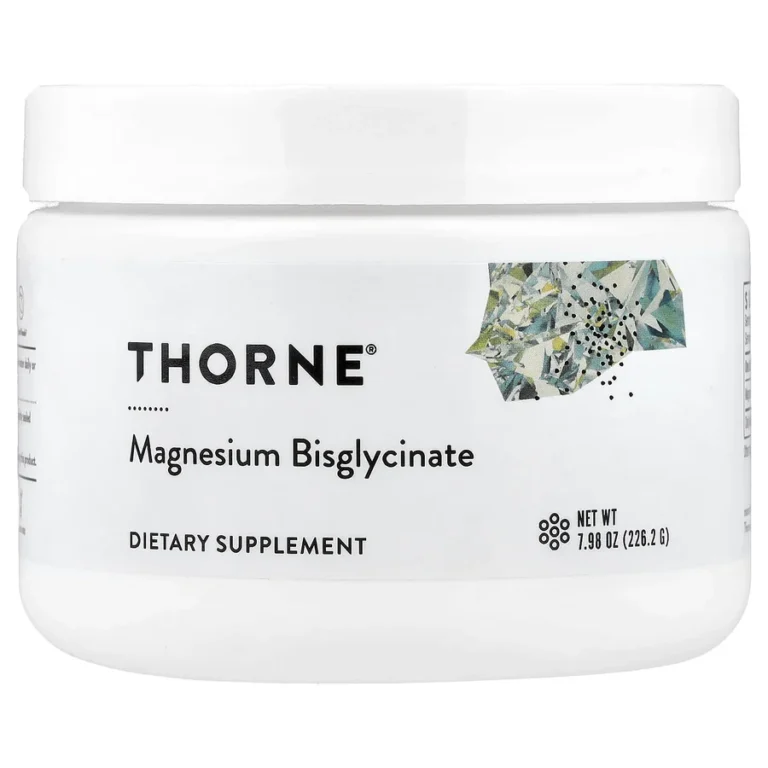
Thorne Magnesium Bisglycinate
Elemental magnesium 200 mg per label serving.
Magnesium Bisglycinate · reviewed 187 g powder
Supplement Explained Score 20/25
Read the review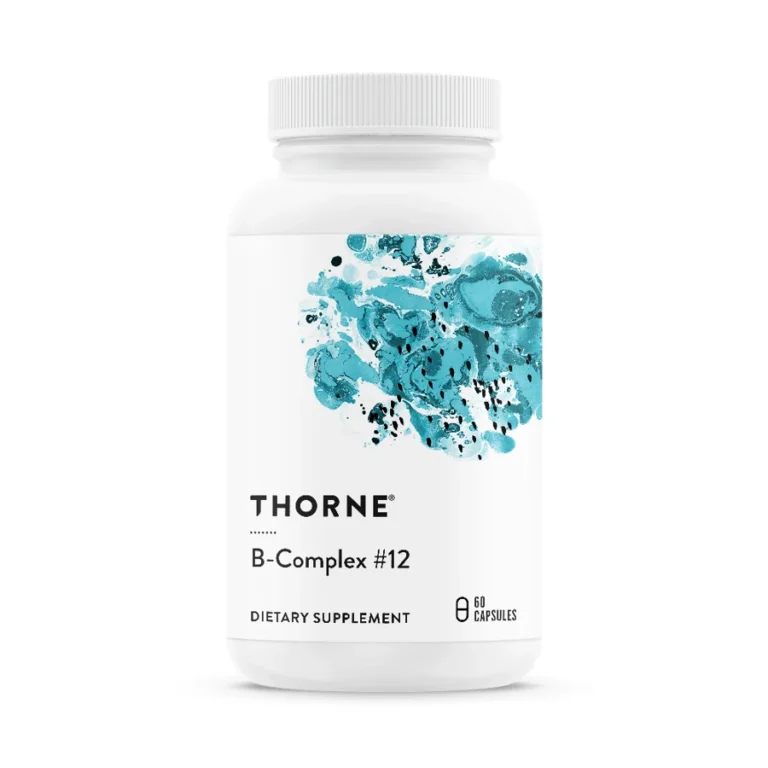
Thorne B-Complex #12
B12 600 mcg; B6 23.4 mg; folate 667 mcg DFE per label serving.
B-Complex #12 · 60 capsules
Supplement Explained Score 16/25
Read the review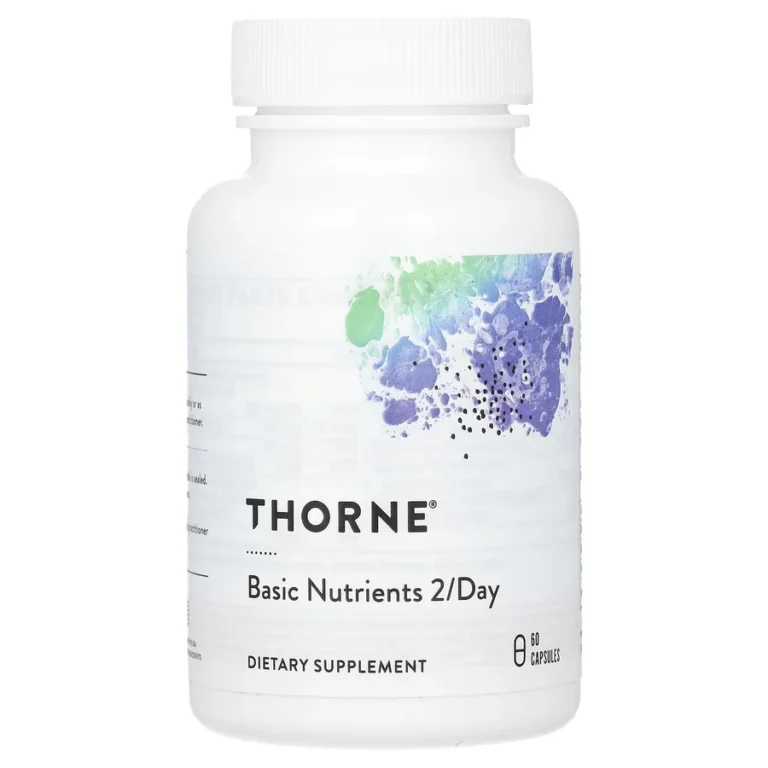
Thorne Basic Nutrients 2/Day 60 Capsules
D3 50 mcg; K 400 mcg; B6 20 mg; B12 600 mcg; zinc 15 mg per label serving.
Basic Nutrients 2/Day · 60 capsules
Supplement Explained Score 19/25
Read the review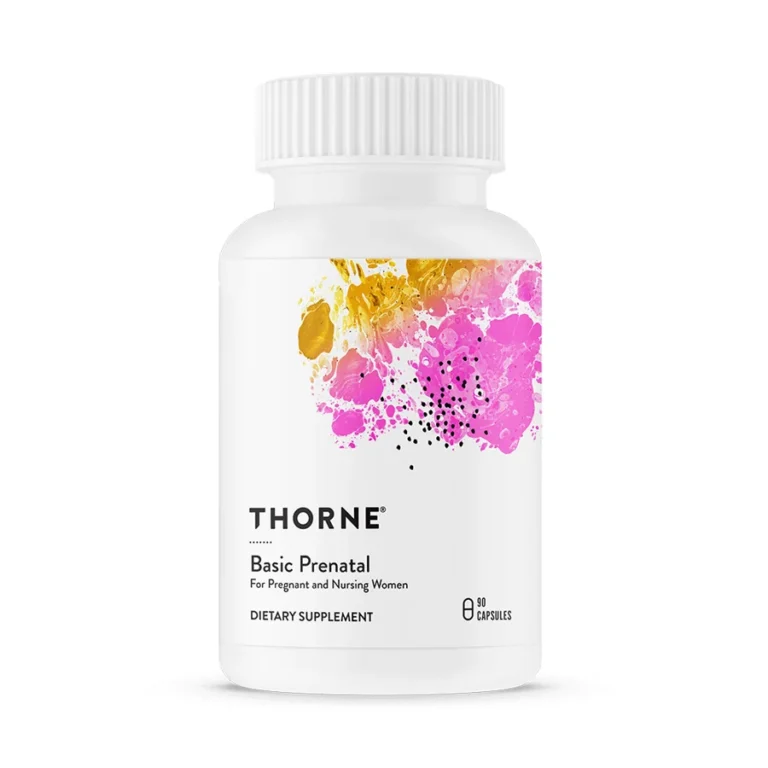
Thorne Basic Prenatal
Iron 45 mg; folate 1.7 mg DFE (1,000 mcg 5-MTHF); choline 110 mg per label serving.
Basic Prenatal · 90 capsules
Supplement Explained Score 19/25
Read the review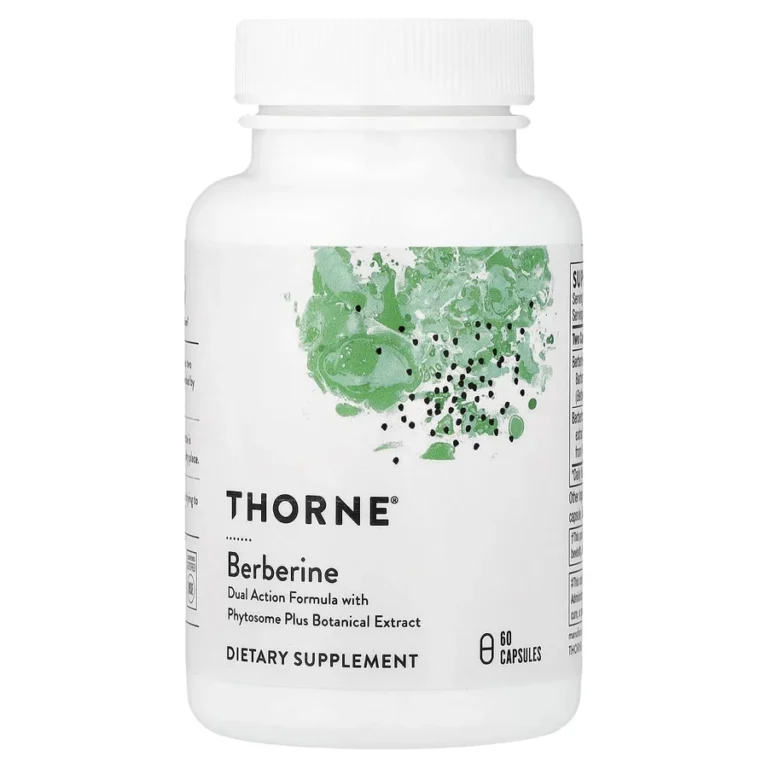
Thorne Berberine
Berberine HCl 450 mg + berberine phytosome complex 550 mg per label serving.
Berberine dual formula · 60 capsules
Supplement Explained Score 15/25
Read the review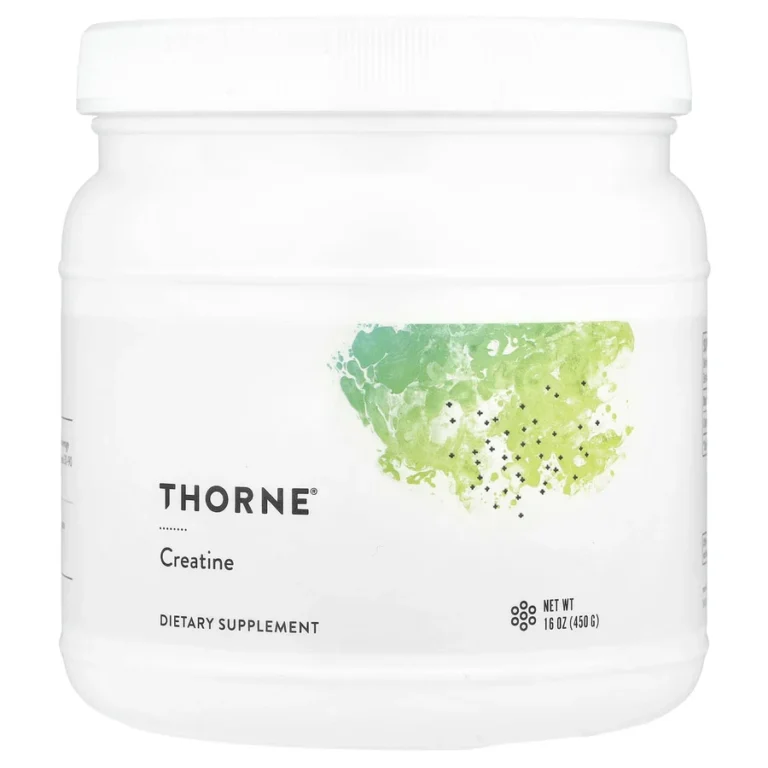
Thorne Creatine
Creatine monohydrate 5 g per label serving.
Creatine · Unflavored · 450 g
Supplement Explained Score 22/25
Read the review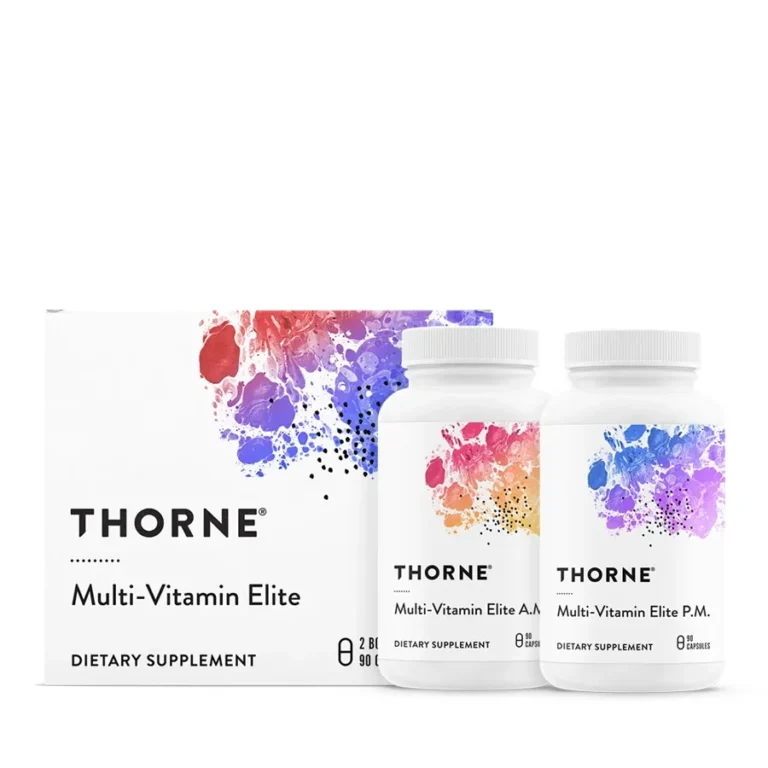
Thorne Multi-Vitamin Elite A.M. and P.M.
Daily total: D3 62.5 mcg; zinc 30 mg; magnesium 170 mg per label serving.
AM + PM kit · 2 × 90 capsules
Supplement Explained Score 14/25
Read the review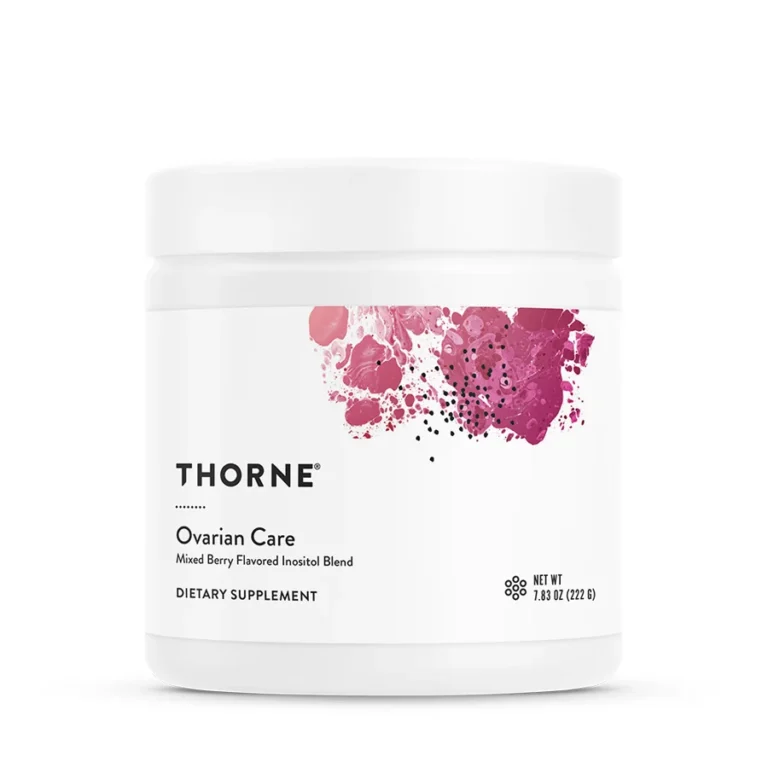
Thorne Ovarian Care
Myo-inositol 2 g; D-chiro-inositol 50 mg; folate 667 mcg DFE per label serving.
Mixed Berry · current 222 g / retailer 7.55 oz
Supplement Explained Score 14/25
Read the review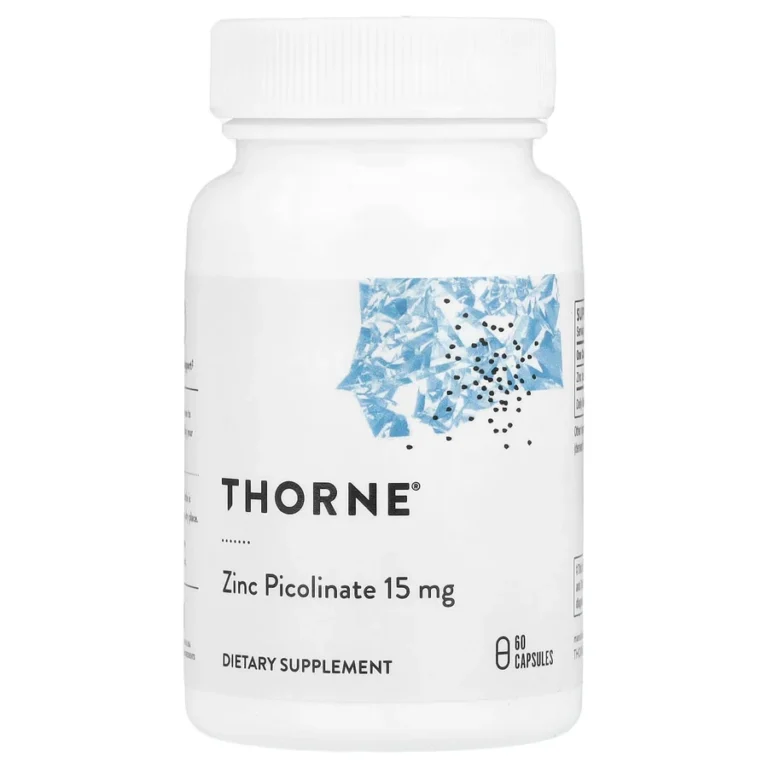
Thorne Zinc Picolinate 15 mg
Elemental zinc 15 mg per label serving.
Zinc Picolinate 15 mg · 60 capsules
Supplement Explained Score 19/25
Read the reviewWhat the brand tends to do well
Thorne looks strongest in premium mainstream supplements where buyers want a simple, credible-feeling formula rather than a flashy marketing concept. Across categories, the brand often presents products in a practitioner-style way that feels more targeted and less mass-market than bargain brands.
In our reviewed products, that shows up well in basics like Thorne Magnesium Bisglycinate, Thorne Creatine, and Thorne Zinc Picolinate 15 mg. These are easier to understand as practical staples than as “miracle” formulas, which is often a good sign for routine supplement shopping.
The brand also appears more comfortable than many general retail competitors with science-forward framing. That does not replace comparison work, but it can make the catalog easier to shop if you prefer cleaner labels and more focused positioning.
What to watch for
Thorne products can be more expensive than they need to be. In some cases, you are paying for brand positioning, cleaner presentation, and select quality signals rather than a formula that is clearly superior to lower-cost alternatives.
It is also important not to assume every Thorne formula is uniquely strong just because the brand sits in a premium tier. Some products look compelling mainly because they are straightforward and well-positioned, not because they do something radically different. Our review of Thorne Berberine, for example, highlights a more premium dual-form approach but also meaningful tradeoffs around price and serving burden.
Another practical limitation is that public-facing quality language still leaves a lot of comparison work to the shopper. You still need to check the exact form, dose, serving size, and whether a certification applies to the specific product you are buying.
Typical formulation patterns
Thorne often uses a practitioner-style formulation approach: cleaner product pages, simpler single-ingredient staples, and targeted formulas that aim to feel clinical rather than trend-driven. This tends to work best in foundational categories such as magnesium, creatine, zinc, and berberine.
Recurring brand patterns include premium pricing, selective visibility of NSF on sport-oriented products, and use of branded ingredients in parts of the catalog. None of those signals are bad, but they should be read as shopping clues rather than automatic proof that a formula is the best available.
If you are comparing a Thorne product with a cheaper option, it helps to walk through the basics methodically: ingredient form, total dose, serving burden, additives, and testing language. Our guides on how to read a supplement label and how to choose a supplement can make those comparisons easier.
Quality and transparency signals
On its official site, Thorne says it applies scientific rigor, clinical expertise, and uncompromising standards to its products, and describes its approach as science-backed and focused on personalized, scientific wellness. The company also says its campus is certified by NSF.
For a specific example, our Magnesium Bisglycinate powder review separates the 187 g and 226.2 g NSF records. Match the tub and lot instead of treating a powder listing as certification for every Thorne magnesium product.
Those are useful signals, but shoppers should separate broad brand language from product-level proof. A facility or campus certification is not the same thing as every product carrying its own independent product certification. In the products we have reviewed, NSF visibility appears most clearly on sport-positioned items such as Magnesium Bisglycinate and Creatine.
That is why it helps to understand what third-party tested means and the differences in programs discussed in USP vs NSF. For Thorne, the quality story looks credible, but it still rewards shoppers who verify the exact claim on the exact product.
Reviewed products from this brand
- Thorne Magnesium Bisglycinate – a premium magnesium powder with NSF Certified for Sport positioning
- Thorne Creatine – a premium creatine monohydrate powder with NSF Certified for Sport positioning
- Thorne Zinc Picolinate 15 mg – a simpler, lower-dose zinc option for everyday use
- Thorne Berberine – a premium dual-form berberine formula with higher price and serving-burden tradeoffs
What our current product pages show
Thorne’s current product pages show a cleaner premium brand that works best in straightforward staples, where the extra spend can actually feel purposeful.
Strongest lane
Strongest lane
Clean premium staplesMagnesium, creatine, and zinc fit the brand better than more layered formulas do.
Label reality
Label reality
Usually cleanThe weak spot is usually price, not messy labels.
Value pattern
Value pattern
Premium comfortThe premium feels easiest to justify when the formula stays simple.
Main caution
Main caution
Complex productsThorne Berberine shows where the brand story can outgrow the category’s practical needs.
Best products from this brand by use case
For magnesium shoppers who want a premium glycinate powder
Thorne Magnesium Bisglycinate is the clearest fit. It stands out more for polished execution and sport-oriented positioning than for reinventing the category. For broader context, see our guide to magnesium and how to compare magnesium products.
For creatine shoppers who care about sport certification visibility
Thorne Creatine looks like one of the brand’s strongest simple products. It fits buyers who want straightforward creatine monohydrate from a premium mainstream brand rather than the cheapest tub on the shelf. You can compare it against the wider category in our creatine guide.
For a simple everyday zinc product
Thorne Zinc Picolinate 15 mg makes the most sense if you prefer a lower-dose, simpler daily-use option over a more aggressive formula. See our broader zinc page for context on when dose and form matter most.
For shoppers specifically looking at berberine formulas
Thorne Berberine is the more premium, more complex pick in this group. It may appeal to buyers who want a dual-form formula, but it is also the clearest example of Thorne’s price tradeoff. Our berberine guide can help you decide whether that added complexity is actually worth paying for.
What this brand is really implying
Thorne sells a science-forward premium feel. The product pages show that this feels most useful when the formula itself stays clear and disciplined.
Brand story
Brand story
Cleaner, more clinical-feeling supplements.
What the product pages show
What the product pages show
That story works best in simple staple products.
Shopping takeaway
Shopping takeaway
Use Thorne for clean premium basics. Slow down when the formula gets clever or expensive.
Is Thorne a good supplement brand?
Often yes, especially if you want a cleaner, more premium-feeling brand and you are comfortable paying more for that style. Thorne usually looks strongest when the buyer already values the kind of polish, simplicity, and certification language the brand leans into.
The more important question is whether that premium actually changes the specific product decision enough to justify the price.
Why is Thorne often more expensive than other brands?
Because the brand is selling more than ingredients. You are often paying for cleaner positioning, premium trust language, and in some cases sport-related certification signals. That can be worth it for some shoppers and unnecessary for others.
If the formula itself is simple, the premium has to clear a practical bar rather than a vibe bar.
How do you decide whether Thorne fits your needs?
Ask whether you want the premium trust story, the cleaner-looking formulation style, or a specific certification angle badly enough to pay for it. If not, a simpler mainstream brand may solve the same problem well enough.
Thorne usually makes the most sense when the premium story is actually part of your real shopping criteria.
New Thorne Product Analysis
This multivitamin page tests Thorne’s premium label positioning against dose intensity, overlap risk, mineral gaps, and daily value.
More product reviews
- Thorne Basic Prenatal: A three-capsule prenatal with substantial iron, methylfolate and some choline; review it with the prenatal care team.
- Thorne B-Complex #12: A B12-focused B-complex with 23.4 mg B6 per capsule; compare overlap and a simpler standalone B12 option.
- Thorne Ovarian Care: A 40:1 inositol blend with folate and a CoQ10 complex; fertility benefit remains uncertain, and serving size matters.
- Thorne Multi-Vitamin Elite A.M. and P.M.: A six-capsule AM/PM kit with extra botanicals; calculate a 30-day supply and combined nutrients before paying the premium.
FAQ
Editorial information
Reviewed for Trust
- Publisher: Supplement Explained Editorial Team
- Review model: Editorial evidence review; clinician review is shown only when a named clinician is listed.
- Last reviewed: October 6, 2026
- Last updated: October 6, 2026
- Editorial Policy | How We Review Evidence | Research Process | Disclaimer
- Use: Informational only. Not personal medical advice.