
How to Compare Magnesium Products
Magnesium products can look similar on the shelf while being very different in form, amount per serving, and how easy they are to tolerate. A better comparison starts with your reason for using magnesium, then moves to the actual amount you get per serving, how many capsules or scoops it takes to get there, and whether the label is clear enough to trust. If you want broader supplement quality guidance, visit our quality hub, or start with our main magnesium guide.
Quick answer
The simplest way to compare magnesium products is to ignore the hype on the front of the bottle and check four things in order:
For a brand-specific worked example, compare Solaray versus NOW magnesium glycinate using the actual unit counts and amounts.
- Your use case: why you are considering magnesium in the first place.
- The form: magnesium is sold in different supplement forms.
- The amount per serving: compare the actual magnesium listed in Supplement Facts, not just a big marketing number.
- The serving math: check how many capsules, tablets, gummies, or scoops make up one serving.
Then review the rest of the label for added ingredients, directions, and whether anything raises questions about tolerance or medicine interactions. NIH notes that magnesium is important for many normal body processes, that supplements come in different forms, and that some forms are more likely than others to cause diarrhea.
On this pageTable of Contents
- 1Magnesium product comparison table
- 2Start with the reason you are considering magnesium
- 3Compare form, dose, and serving math
- 4Check the rest of the label
- 5What users often get wrong
- 6When to be more careful
- 7Which magnesium forms are most likely to cause diarrhea?
- 8Should you avoid magnesium blends?
- 9What is the simplest way to choose the right magnesium product?
- 10Put the Checklist Into Practice
- 11Product examples to compare
- 12FAQ
Featured Product Routes
If you are ready to stop comparing magnesium labels in the abstract, these live product pages show how real bottles differ on form, serving burden, and overall buying pressure.
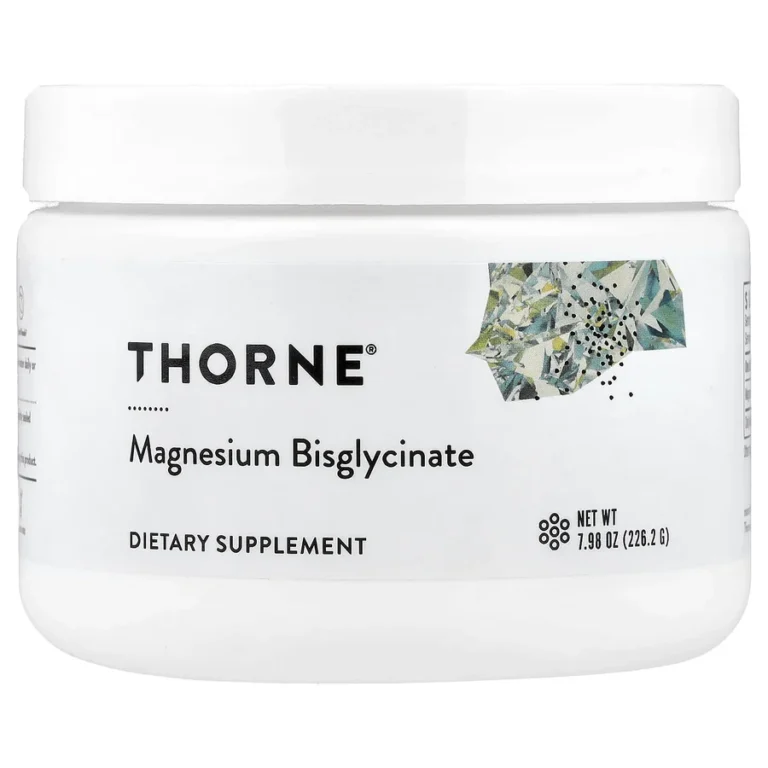 Powder Thorne Magnesium Bisglycinate Elemental magnesium 200 mg per label serving.
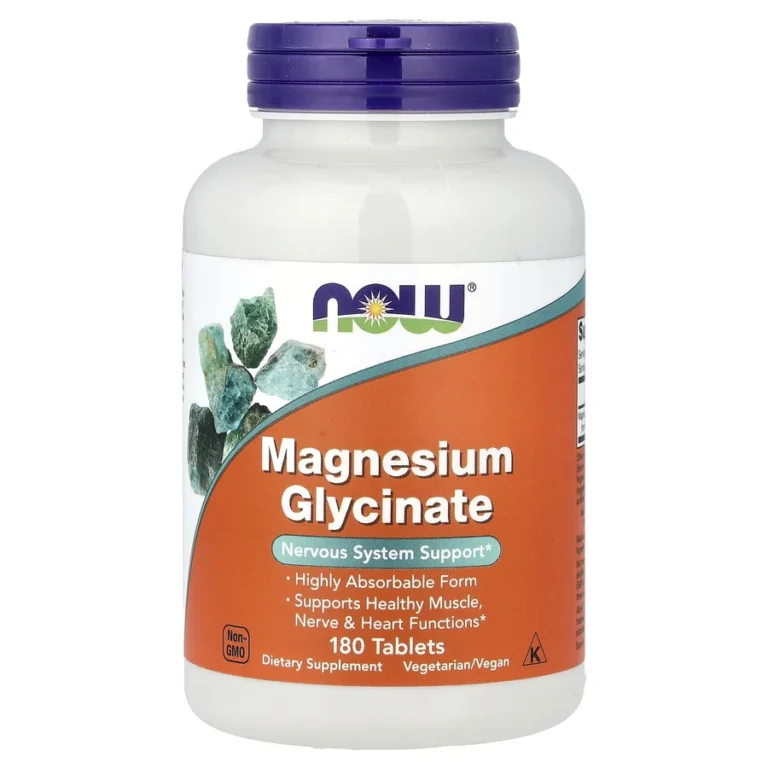 Tablets NOW Magnesium Glycinate Elemental magnesium 200 mg (100 mg per tablet) per label serving.
 Tablets Doctor's Best High Absorption Magnesium Elemental magnesium 200 mg; lysinate/glycinate chelate per label serving.
Magnesium product comparison table
| Comparison step | What to check | Common mistake |
|---|---|---|
| Use case | Why you are considering magnesium in the first place. | Buying the most advanced-sounding form without matching it to a real need. |
| Form | Glycinate, citrate, oxide, threonate, or another listed form. | Assuming form name alone proves better absorption or better tolerance. |
| Amount | Magnesium listed per serving in Supplement Facts. | Comparing a front-label number to another product’s per-serving amount. |
| Serving burden | How many capsules, tablets, gummies, or scoops make one serving. | Missing that the useful-looking dose requires multiple units. |
| Routine fit | Tolerance, timing, medicine spacing, and other ingredients. | Choosing a strong-looking product that is awkward to use consistently. |
Start with the reason you are considering magnesium
Before comparing brands, decide what question you are really trying to answer. Are you simply trying to add a magnesium supplement to your routine? Are you trying to avoid stomach upset? Are you choosing between two forms that seem similar? Your goal affects what matters most on the label.
If you are still at the basics stage, it helps to review what magnesium supplements are and how they are usually discussed. If you are already deciding between forms, you may also want our side-by-side pages on magnesium glycinate vs citrate and magnesium glycinate vs threonate.
Starting with the use case keeps you from paying more for a product that sounds impressive but does not match what you actually want to compare.
Compare form, dose, and serving math
This is the part most shoppers rush through, but it is where the most useful differences usually appear.
Two useful worked examples are Solaray Magnesium Glycinate Powder and Solaray Magnesium Citrate 400 mg. Their reviews calculate cost per labeled serving and explain why a higher magnesium amount is not automatically better value.
- Form: Magnesium is available in different supplement forms. That matters because forms are not identical, and NIH notes that some forms are more likely than others to cause diarrhea.
- Dose per serving: Look at the Supplement Facts panel and find the amount of magnesium listed per serving.
- Serving size: Check whether that amount comes from one capsule, two capsules, a powder scoop, several gummies, or something else. If the term is fuzzy, start with the serving size glossary.
- Daily plan: Ask yourself whether the serving size is realistic for how you would actually take it.
A common mistake is to compare one product’s magnesium per serving with another product’s magnesium per capsule. That is not a fair comparison. Make sure you are matching serving to serving, or capsule to capsule, before deciding which product gives you more.
Just as important, do not confuse a front-label marketing number with your actual elemental magnesium intake per serving. The number that matters for comparisons is the amount listed in Supplement Facts for the serving size shown there. If this part feels unclear, see how to read dosage vs serving size.
Check the rest of the label
After you compare form and serving math, read the full label. FDA says supplement labels must include serving size, dietary ingredients per serving, and other required information. That gives you a practical checklist when you are comparing products.
- Serving size: Is it clearly stated?
- Magnesium per serving: Is the amount easy to find in Supplement Facts?
- Other ingredients: Are there other ingredients you want to avoid or simply did not expect?
- Directions for use: Do they match how you would realistically take it?
- Label clarity: Does the product make it easy to understand what you are getting, or does it rely mostly on front-label claims?
A clear label does not prove a product is perfect, but a confusing label makes comparison harder and should slow you down before buying.
What users often get wrong
- Comparing slogans instead of Supplement Facts: Front-label language is often less useful than the actual facts panel.
- Missing the serving size: A product may look strong until you notice the listed amount requires multiple capsules or gummies.
- Assuming all forms are interchangeable: Magnesium comes in different forms, bioavailability can differ, and tolerance can differ.
- Ignoring tolerance: If stomach side effects matter to you, that should be part of the comparison from the start. For more on this, see can magnesium cause diarrhea?
- Forgetting total supplement exposure: If you use more than one supplement or medicine, the full picture matters.
The best magnesium product is not the one with the biggest number on the bottle. It is the one with the clearest label, a form you are comfortable considering, and serving math that makes sense for real use.
When to be more careful
Use extra caution if you take medicines, use several supplements at once, or have had side effects from magnesium before. NIH notes that higher supplemental intakes can cause side effects and that magnesium can interact with some medicines. If that applies to you, review magnesium interactions and the Magnesium Interaction Timing Map before choosing a product.
It is also worth slowing down if a product makes the label hard to interpret, combines magnesium with many other active ingredients, or encourages you to take more than you expected just to reach the listed amount.
If timing is part of your decision, keep that separate from product comparison. First choose a product you understand, then think about routine and schedule. Our page on the best time to take magnesium can help with that step.
Which magnesium forms are most likely to cause diarrhea?
This matters because stomach tolerance can change the whole buying decision. Some forms are much easier to live with than others, and that is one reason magnesium products cannot be compared like identical bottles with different branding.
If the product keeps making the routine miserable, the form question was probably more important than the front-label promise.
Should you avoid magnesium blends?
Not always, but blends often make the comparison harder. The more forms a label mixes together, the more important it becomes to understand what the product is actually trying to do and whether the serving math still makes sense.
If the blend looks complicated but the reason for using it stays vague, that is a warning sign.
What is the simplest way to choose the right magnesium product?
Start with the goal, then cut the decision down to form, real magnesium amount, serving burden, and stomach fit. That simple filter usually gets you farther than chasing advanced-sounding product names.
The best magnesium product is often the one that solves the right problem without creating a new one.
Put the Checklist Into Practice
These four labels make the checklist concrete: compare elemental magnesium, capsule count, exact quality proof, added ingredients, and price per useful amount.
- Four-capsule value example Solaray shows why bottle count and serving count are not the same.
- One-capsule premium example Pure Encapsulations shows the price of simpler dose math.
- Mainstream two-capsule example Nature Made shows why exact-SKU certification should be verified.
- Premium-form example Neuro-Mag shows why complex weight and elemental magnesium must be separated.
Product examples to compare
- Garden of Life Dr. Formulated Magnesium Gummies: Raspberry citrate gummies: 100 mg magnesium each; four gummies supply 400 mg and use up the bottle in 15 days.
FAQ
What is the first thing to compare on a magnesium product?
Start with your reason for considering magnesium. After that, compare the form, the amount of magnesium per serving, and how many capsules, gummies, or scoops make up that serving.
What does elemental magnesium mean when comparing products?
For shopping purposes, focus on the amount of magnesium listed in the Supplement Facts panel per serving. Do not rely only on a big front-label number if it does not clearly match the serving information.
Why does serving size matter so much?
Because two products can look similar until you see that one serving is one capsule and the other serving is several capsules or gummies. Good comparison depends on matching the same unit of use.
Are all magnesium forms the same?
No. NIH notes that magnesium is sold in different supplement forms, and that some forms are more likely than others to cause diarrhea. That is one reason form should be part of the comparison, not an afterthought.
How do I know if a magnesium label is trustworthy enough to compare?
Look for a clear Supplement Facts panel, a stated serving size, magnesium listed per serving, and understandable directions. FDA requires key label information, so a label that is hard to interpret is a reason to pause.
Should I worry about magnesium interacting with medicines?
Yes, it can matter. NIH notes that magnesium supplements can interact with some medicines. If you take regular medication, review interaction guidance and consider checking with a clinician or pharmacist.
Evidence map
What the evidence changes in the decision
| Claim | Evidence type | Reader decision | Freshness risk |
|---|---|---|---|
| Elemental magnesium is the comparison number | Label math | Compare elemental magnesium per serving, not the front-label compound weight or the serving-count headline. | High |
| Form changes the decision more than brand language | Form/function synthesis | Glycinate, citrate, oxide, malate, and threonate should be judged by purpose, tolerance, and safety context. | Medium |
| Third-party testing is useful but not a medical proof | Quality verification boundary | Testing can support label confidence, but it does not prove a product will solve sleep, cramps, or anxiety for a specific person. | Low |
This table is a decision aid. It does not diagnose a deficiency, predict individual benefit, or replace medication-specific advice.
Common magnesium product questions
How do you compare magnesium supplements?
Compare magnesium supplements by goal, form, actual magnesium per serving size, serving burden, tolerance, and label clarity. Do not compare a front-label marketing number against another product’s Supplement Facts panel.
How do I choose a magnesium supplement?
Choose the product that matches your use case and is easiest to understand. A clear label should show the magnesium form, amount per serving, directions, and relevant other ingredients without making you decode a vague blend.
How much magnesium should I look for on the label?
For comparison, look at the magnesium amount listed per serving in Supplement Facts, then ask whether that serving size is realistic for you. Dose decisions are personal, but label comparison should always start with the actual per-serving amount instead of the largest number on the bottle.
Is magnesium glycinate always the best form?
No. Magnesium glycinate is often chosen for tolerance, but “best” depends on your goal, total amount, serving burden, budget, and whether you need to avoid diarrhea or interaction problems.
Update Note
Last reviewed and updated on October 2, 2026. Added direct-answer blocks and a comparison table for comparing magnesium supplements, choosing a product, reading per-serving dose, and avoiding form-name overconfidence.
Editorial information
Reviewed for Trust
- Publisher: Supplement Explained Editorial Team
- Review model: Editorial evidence review; clinician review is shown only when a named clinician is listed.
- Last reviewed: October 2, 2026
- Last updated: October 2, 2026
- Editorial Policy | How We Review Evidence | Research Process | Disclaimer
- Use: Informational only. Not personal medical advice.