
Magnesium Glycinate vs Threonate
If you are comparing these two premium magnesium forms, the main job is separating what is established from what is mostly positioning. Both can supply magnesium. Neither has been shown to be the best choice for everyone. For most shoppers, the practical questions matter most: how much elemental magnesium you actually get, how many capsules you need, what it costs, and whether the marketing claims match the evidence. If you want a broader primer first, see our magnesium guide.
Fast verdict for Magnesium Glycinate vs Threonate
Magnesium glycinate suits people who want a routine-friendly, often lower-cost option, while magnesium threonate suits those who specifically want to try a brain-marketed premium form with modest expectations.
- There is no broad official recommendation that magnesium threonate or glycinate is the best form for everyone.
- Magnesium threonate gets extra attention because it is marketed with brain-focused language, but that does not equal a proven everyday advantage for most people.
- Magnesium glycinate is often considered by people shopping for a calmer, routine-friendly option, especially in sleep-oriented shopping, but that is more of a practical pattern than a proven best-form claim.
- For many buyers, the real differences are cost, capsule count, and label realism. Threonate products often require more capsules and cost more.
- Check expectations. A premium form does not guarantee noticeably better focus, memory, or sleep.
On this pageTable of Contents
- 1Fast verdict for Magnesium Glycinate vs Threonate
- 2Magnesium glycinate vs threonate: quick decision table
- 3If this comparison turned into a product decision
- 4What do both forms have in common?
- 5Why does threonate get special marketing attention?
- 6When is glycinate often considered?
- 7What are the evidence limits, and what is still unclear?
- 8What are the practical tradeoffs in capsules, cost, and expectations?
- 9Which form fits which use case?
- 10What do users often get wrong?
- 11Which form is better for sleep?
- 12Can magnesium glycinate and threonate be taken together?
- 13Why is magnesium threonate usually more expensive?
- 14FAQ
Magnesium glycinate vs threonate: quick decision table
This comparison gets a lot of brain, sleep, and premium-form marketing. The practical decision is usually simpler than the label copy makes it feel.
| Decision point | Magnesium glycinate | Magnesium threonate |
|---|---|---|
| Best reason to choose it | Routine-friendly magnesium shopping, especially when bowel effects are not the goal. | A specific interest in a brain-marketed magnesium form, with modest expectations. |
| Marketing claim to keep in proportion | “Better for sleep” is common positioning, not a universal proof statement. | “Brain magnesium” language does not guarantee a noticeable cognitive benefit. |
| Cost and capsule burden | Often easier to fit into a daily routine and compare by serving. | Often more expensive and may require more capsules per day. |
| Label check that matters | Check elemental magnesium, serving size, and other ingredients. | Check elemental magnesium per full serving before assuming the premium form gives more usable magnesium. |
If this comparison turned into a product decision
Use these product pages as label examples after you decide whether your real question is routine tolerance, serving burden, or a premium magnesium format.
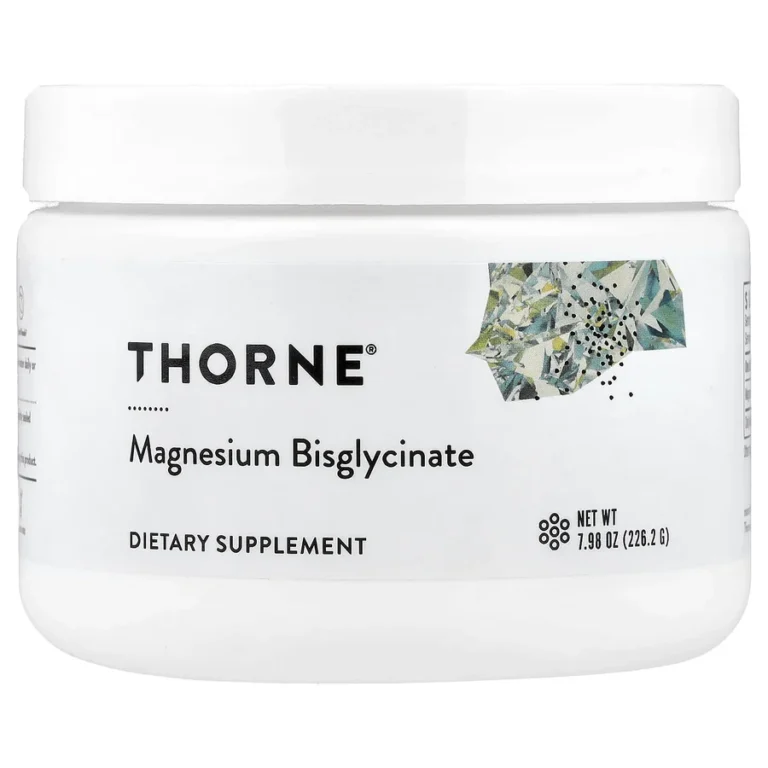 Powder Thorne Magnesium Bisglycinate Elemental magnesium 200 mg per label serving.
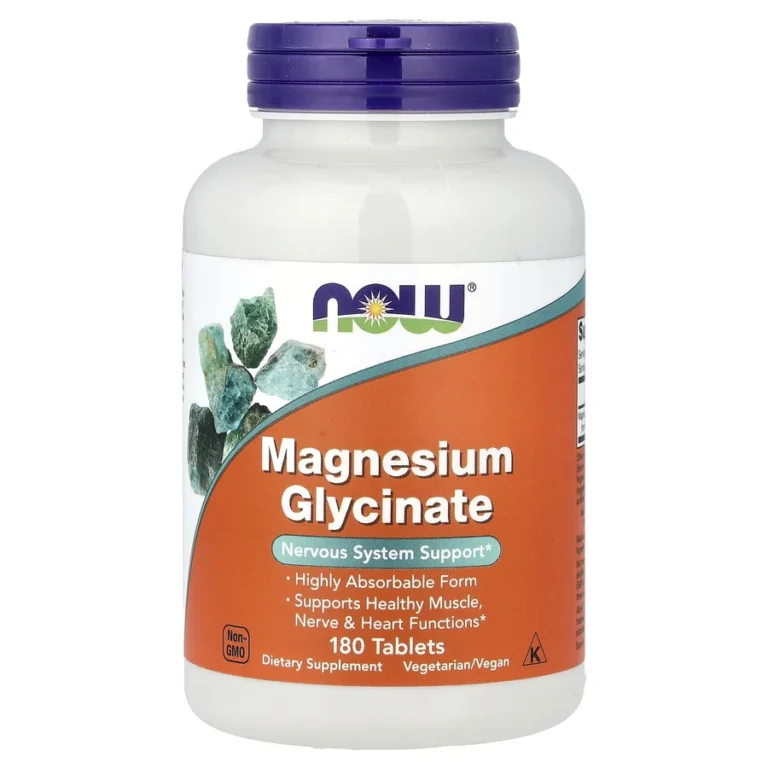 Tablets NOW Magnesium Glycinate Elemental magnesium 200 mg (100 mg per tablet) per label serving.
 Tablets Doctor's Best High Absorption Magnesium Elemental magnesium 200 mg; lysinate/glycinate chelate per label serving.
What do both forms have in common?
Both magnesium glycinate and magnesium threonate are simply different ways of delivering magnesium. Magnesium itself is needed for many normal body processes, including muscle and nerve function, energy production, and other basic functions the body carries out every day. That basic importance, though, should not be stretched into a claim that one premium form is broadly superior.
The National Institutes of Health Office of Dietary Supplements notes that magnesium comes in different forms and that forms can differ in absorption. But that is not the same as saying one premium form is the best choice for all goals or all people.
Both forms are sold as dietary supplements, both can vary widely across brands, and both still require the same practical checks: serving size, elemental magnesium per serving, other ingredients, and whether the product fits your routine. If label terms feel confusing, here is how to read a supplement label.
Why does threonate get special marketing attention?
Magnesium threonate is usually the more heavily marketed of the two. The pitch often centers on the brain: focus, memory, mental sharpness, or “brain magnesium.” That is why it stands out in premium supplement shopping.
There is a reason this form attracts attention, but the claims often run ahead of what is firmly established for typical real-world use. The sources summarized for this page do not support a broad conclusion that magnesium threonate gives most healthy users a clear, reliable cognitive edge over other forms.
In plain English: brain-focused marketing is not the same thing as broad proof. A shopper can reasonably decide to try threonate if that angle matters to them, but it helps to treat it as an experiment with modest expectations, not as a guaranteed upgrade.
Another point that gets missed: threonate products often provide less elemental magnesium per capsule than buyers assume. That can mean more capsules per day and a higher monthly cost.
When is glycinate often considered?
Magnesium glycinate is commonly considered by shoppers who want something that feels easy to take regularly. It often comes up in “calm” or evening-routine shopping, and it is frequently compared by people looking for magnesium to support a sleep routine. If that is your use case, you may also want our pages on sleep goals and the best time to take magnesium.
That said, it is important to keep the claim modest. The idea that glycinate is the best form for sleep is not firmly established by broad high-quality evidence. It is better described as a common practical choice than a proven winner.
Why do people still look at it? Usually because it is positioned as routine-friendly, often feels simpler than threonate from a cost standpoint, and may fit better for people who do not want a brain-focused premium product.
What are the evidence limits, and what is still unclear?
This comparison has a real evidence problem: there is not strong, broad, head-to-head proof showing that glycinate or threonate is clearly better for most people in everyday life.
- What is reasonably established: magnesium matters for normal body function, and forms can differ in absorption and tolerability.
- What is less clear: whether one premium form consistently produces better real-world outcomes for common goals like better sleep, feeling calmer, or thinking more clearly.
- What is often overstated: that a premium form automatically leads to noticeable benefits even when overall magnesium intake, sleep habits, stress, and health status are not addressed.
That means the strength of evidence here is mixed. The role of magnesium itself is well established. The superiority claims around specific premium forms are much less settled and, in many cases, remain incomplete or partly marketing-driven.
What are the practical tradeoffs in capsules, cost, and expectations?
This is where many shoppers make the best decision.
- Capsule burden: threonate products often require multiple capsules per day. That can be fine if you do not mind it, but many people underestimate how annoying this becomes over time.
- Cost: threonate is often priced as a premium brain product. Glycinate is also premium in some lines, but it is often easier to find at a lower cost per day.
- Elemental magnesium: a bigger compound name on the front of the bottle does not tell you how much magnesium you are actually getting. Always check the Supplement Facts panel for elemental magnesium per serving.
- Expectation setting: if a product promises noticeable changes in focus or sleep in a dramatic way, be cautious. Real effects, when people notice them, are often more modest than the marketing suggests.
- Tolerability: high intakes of magnesium from supplements or medicines can cause diarrhea, nausea, and abdominal cramping (see can magnesium cause diarrhea?). More is not automatically better.
Before buying, compare the label, not just the front-of-bottle message. The most useful question is often: What am I paying for per day, and is that amount realistic for me to keep taking? Our guide on how to read a supplement label can help.
If you take prescription medicines or other supplements, check for compatibility first. Some products can interact with medications or affect timing. See magnesium interactions for the basics.
Which form fits which use case?
No form is universally “best,” but some use cases make one option more practical than the other.
- If you want a routine-friendly option and are mainly shopping with sleep or evening use in mind: glycinate is often the more straightforward place to start.
- If you specifically want to try a brain-marketed magnesium product and you are comfortable with higher cost and more capsules: threonate can be a reasonable trial, as long as expectations stay realistic.
- If budget matters: glycinate often looks more practical, though brand pricing varies.
- If you care about getting more elemental magnesium per dollar: compare labels carefully. Marketing language alone will not tell you.
- If you already have stomach sensitivity or you have had issues with magnesium supplements before: start cautiously and do not assume a premium form guarantees zero side effects.
For people with health conditions, kidney concerns, or complicated medication lists, this choice is less about “best form” and more about whether magnesium supplementation is appropriate at all. If that sounds like you, start with when to talk to a clinician.
What do users often get wrong?
- Confusing compound weight with elemental magnesium. A product can sound impressive but provide less actual magnesium than expected.
- Assuming brain-focused wording means proven cognitive benefit. It often means the brand is emphasizing a theory or a limited evidence base.
- Assuming “best for sleep” is settled science. For glycinate, that is often a shopping narrative more than a final evidence-based conclusion.
- Ignoring capsule burden. A form is not practical if you do not want to keep taking the full serving.
- Ignoring interactions and timing. Magnesium can matter for medication timing and supplement stacking.
- Thinking more is better. Higher supplemental intake can increase the chance of diarrhea, nausea, and abdominal cramping.
Which form is better for sleep?
For most shoppers asking a sleep question, glycinate usually makes more practical sense than threonate. Threonate gets more attention for brain-health marketing, but that is not the same thing as being the more obvious sleep pick.
If the real goal is winding down at night with a simpler routine and less capsule burden, glycinate is usually the calmer starting point.
Can magnesium glycinate and threonate be taken together?
Some people do combine them, but that does not mean the stack automatically makes more sense than choosing one form that matches the actual goal. Once you start mixing forms, the more useful questions are total magnesium exposure, cost, capsule burden, and whether the second product is solving a real problem or just chasing a better-sounding stack.
If one form already fits your main use case well, adding the other should clear a high bar.
Why is magnesium threonate usually more expensive?
Because it is sold with a more specialized story. You are often paying for the brain-health positioning, the branded-ingredient language, and the niche identity, not just for more useful magnesium on a per-serving basis.
That does not make it fake. It just means the higher price should push you to ask whether the evidence and your real goal are strong enough to justify it.
FAQ
Is magnesium threonate better for the brain?
It is marketed that way, but the current evidence summarized here does not establish a broad, reliable cognitive advantage for most people. It is better viewed as a brain-focused option with uncertain everyday superiority, not a proven winner.
Is magnesium glycinate better for sleep?
Not in a firmly proven, universal way. Glycinate is often chosen in sleep-oriented shopping because it is seen as routine-friendly, but that is not the same as strong evidence that it is the best form for sleep for everyone.
Which one usually costs more?
Magnesium threonate is often more expensive, especially when you account for the full suggested serving size and capsule count.
Why do threonate products often require so many capsules?
One reason is that the amount of elemental magnesium per capsule may be lower than shoppers expect. That is why checking the Supplement Facts panel matters more than the front label.
Can I take either form at night?
Many people do. The best timing depends on your routine, how the supplement feels for you, and whether it affects your stomach. If timing is your main question, see our guide to when to take magnesium.
Which one is more likely to upset my stomach?
Individual responses vary, and brand formulation matters too. What is more established is that high intakes of magnesium from supplements or medicines can cause diarrhea, nausea, and abdominal cramping.
Do I need to talk to a clinician before taking magnesium?
It is wise to check first if you have kidney issues, take prescription medicines, are pregnant, or are trying to use magnesium around a specific health concern. Start here: when to talk to a clinician.
When the Magnesium Glycinate vs Threonate answer changes
The better choice depends on your goal, dose, preferred form, medicines, tolerance and budget. No single option suits everyone.
- Safety changes the answer: medications, pregnancy, kidney/liver issues, surgery, abnormal labs, or side effects can outweigh convenience.
- Label details change the answer: serving size, active amount, other ingredients, testing proof, and price per useful dose can shift the practical pick.
- Goal changes the answer: sleep, digestion, training, deficiency correction, and general wellness can require different forms or timing.
Direct answers to common magnesium threonate questions
What is magnesium L-threonate?
Magnesium L-threonate is a supplemental magnesium form that is often marketed with brain-focused positioning. It still needs the same label checks as other magnesium products: elemental magnesium, serving size, capsule burden, and cost.
Is magnesium threonate better than glycinate?
Not broadly. Threonate may interest people who specifically want to try a brain-marketed form, while glycinate is often a simpler routine-focused option. Neither is proven best for everyone.
What are magnesium L-threonate benefits?
The main claimed benefit area is brain or cognitive support, but shoppers should keep expectations modest. A premium form does not guarantee noticeable focus, memory, or sleep changes.
Is magnesium glycinate or threonate better for sleep?
Glycinate is often the more practical sleep-routine choice because it is less tied to premium brain marketing and may be easier to compare by serving. Threonate is better framed as a niche trial, not a guaranteed sleep upgrade.
Update Note
Last reviewed and updated on September 24, 2026. Added a quick decision table, product-route links, and clearer glossary-linked label checks for serving size and other ingredients.
Editorial information
Reviewed for Trust
- Publisher: Supplement Explained Editorial Team
- Review model: Editorial evidence review; clinician review is shown only when a named clinician is listed.
- Last reviewed: September 24, 2026
- Last updated: September 24, 2026
- Editorial Policy | How We Review Evidence | Research Process | Disclaimer
- Use: Informational only. Not personal medical advice.