
Omega-3 Supplement
- Omega-3 is a broad category that includes ALA, EPA, and DHA.
- Fish oil usually provides EPA and DHA; algal oil is a vegetarian source of DHA and sometimes EPA.
- For many broad health questions, there is more evidence for eating seafood than for taking an omega-3 supplement.
Quick answer
An omega-3 supplement is a product that provides one or more omega-3 fatty acids. The main ones discussed in nutrition are ALA, EPA, and DHA. Fish oil supplements provide EPA and DHA. Algal oil is a vegetarian source of DHA, and some algal oil products also provide EPA.
The practical takeaway is that not every omega-3 product is interchangeable. A bottle that says “omega-3” or “fish oil” on the front may differ a lot from another bottle in source and in the amount of EPA and DHA it delivers per serving size. For many broad health questions, official sources say the evidence is stronger for eating seafood than for relying on a supplement.
Omega-3 supplements sound simple, but they are not all the same. The important questions are which omega-3s a product contains, where they come from, how much EPA and DHA the label actually provides, and whether a supplement makes sense for you in the first place. This guide, part of our supplements library, keeps the focus on what official sources say and what shoppers most often miss.
On this pageTable of Contents
- 1Omega-3 decision table
- 2What omega-3s are
- 3Science in simple terms
- 4Why people take omega-3 supplements
- 5What the evidence says
- 6Strength of evidence
- 7ALA vs EPA vs DHA and what changes between them
- 8Fish oil, algal oil, and other common supplement sources
- 9Timing and dosage context
- 10Side effects and interactions
- 11Who may benefit
- 12Who should use caution
- 13Food sources
- 14FAQ
Featured Product Routes
If you are already past the “fish oil vs algal oil” stage, start with real product tradeoffs: premium concentrate, a calmer classic softgel lane, mainstream value, or one-softgel convenience with heavier quality signaling.
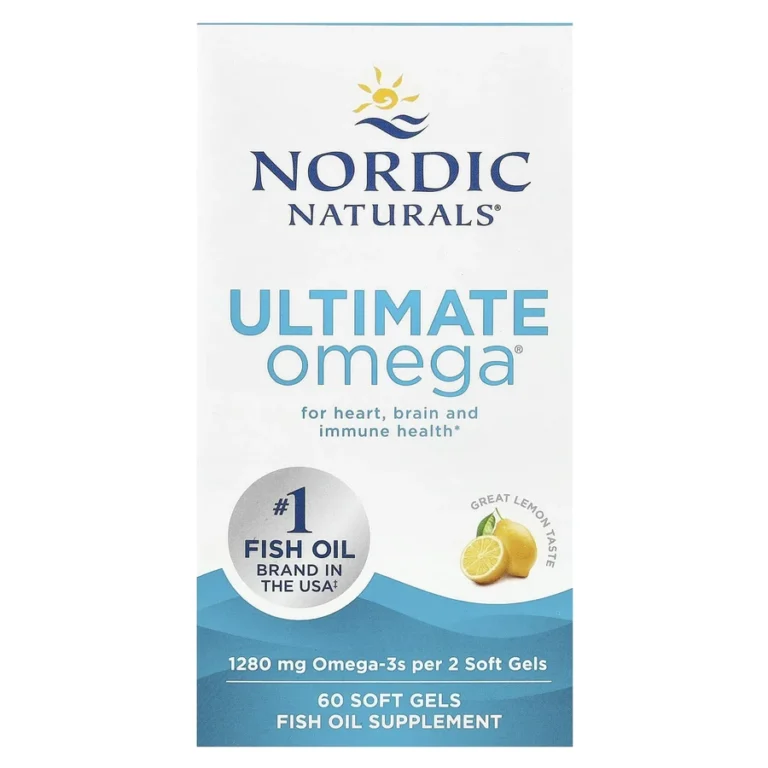 Softgels Nordic Naturals Ultimate Omega Omega-3 1,280 mg; EPA 650 mg; DHA 450 mg per label serving.
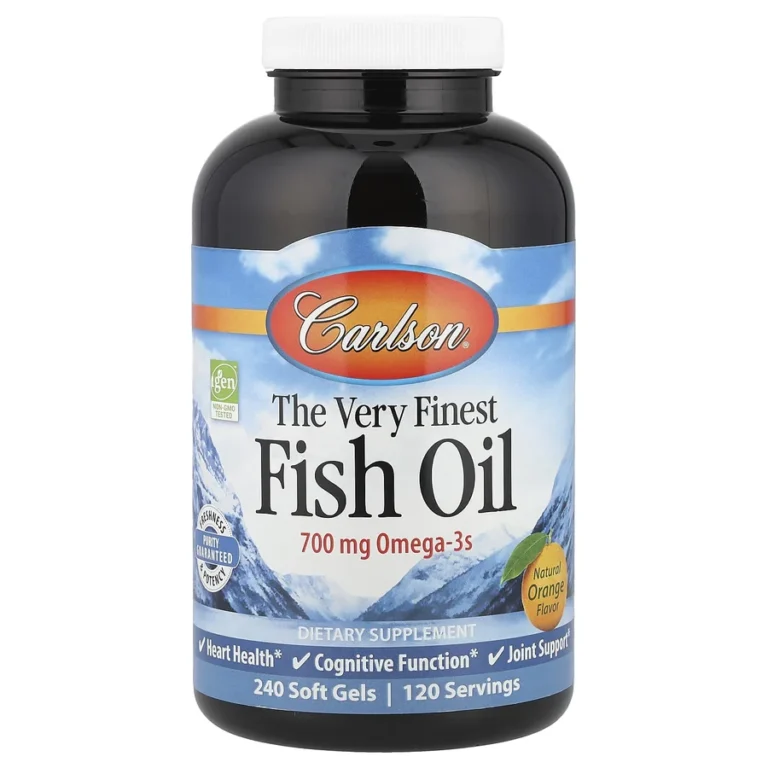 Softgels Carlson The Very Finest Fish Oil Omega-3 700 mg; EPA 360 mg; DHA 240 mg per label serving.
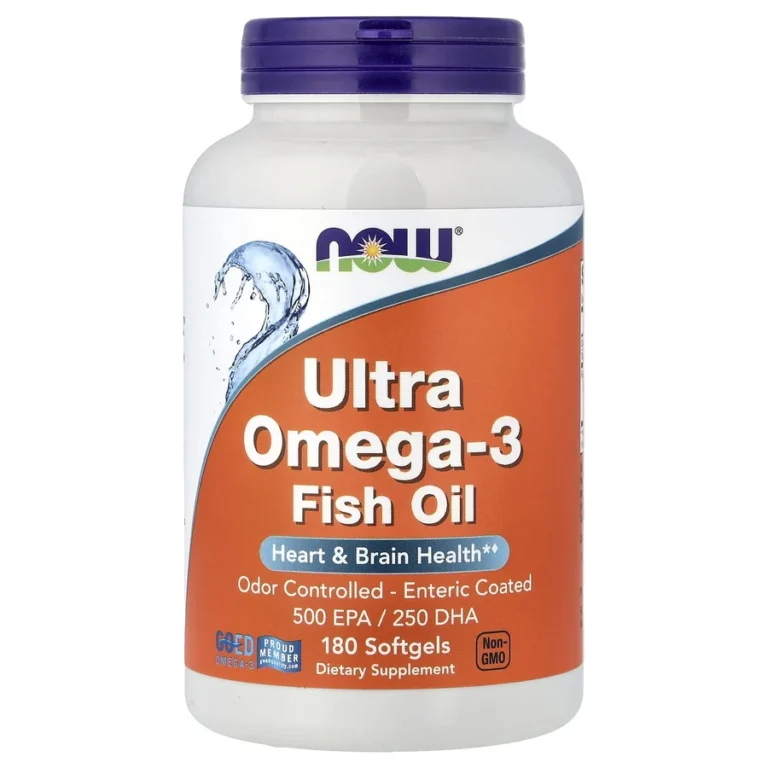 Softgels NOW Ultra Omega-3 Fish Oil Fish oil 1,000 mg; EPA 500 mg; DHA 250 mg per label serving.
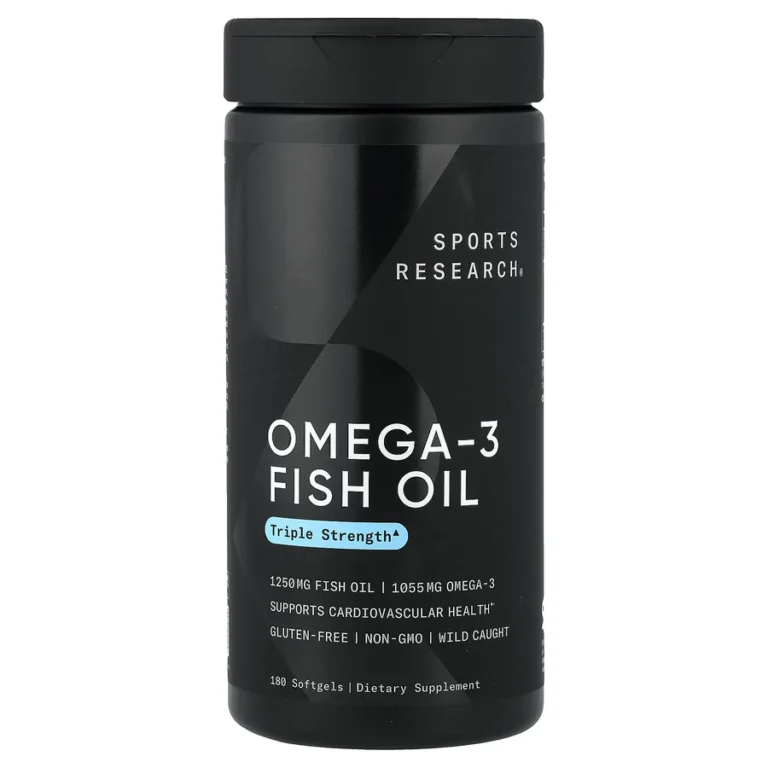 Softgels Sports Research Triple Strength Omega-3 Fish oil 1,250 mg; omega-3 1,055 mg; EPA 690 mg; DHA 310 mg per label serving.
Omega-3 decision table
| Question | Best next check | Useful internal route |
|---|---|---|
| You want an omega-3 supplement. | Check whether the product provides EPA, DHA, ALA, or a mix. | Fish oil quality checklist |
| You are comparing fish oil and algal oil. | Compare source, EPA/DHA profile, diet preference, and label clarity. | Fish oil vs algal oil |
| You are judging label strength. | Add EPA plus DHA per serving instead of trusting total fish-oil amount. | Read a supplement label |
| You get reflux or fishy burps. | Review timing, meal context, serving burden, and product format. | Fish oil reflux |
| You are deciding supplement vs seafood. | Remember broad evidence is stronger for seafood than supplements for many questions. | Omega-3 overview |
What omega-3s are
Omega-3 fatty acids are polyunsaturated fats. The three omega-3s most often discussed in nutrition are ALA, EPA, and DHA.
ALA is considered essential because the body cannot make it in the amounts it needs. EPA and DHA are the omega-3s commonly found in fish and other seafood, especially cold-water fatty fish.
Science in simple terms
The basic reason source matters is that the body does not handle all omega-3s in the same way. The body can convert some ALA into EPA and then to DHA, but that conversion is very limited.
That means a product centered on ALA is not the same thing as a product that directly provides EPA and DHA. It also explains why people comparing products often need to look past the word “omega-3” and check the actual form, serving size, and other ingredients on the label.
Why people take omega-3 supplements
People usually shop for omega-3 supplements for practical reasons: they do not eat much seafood, they want a direct source of EPA and DHA, or they prefer a vegetarian option such as algal oil. Others are simply trying to make their intake more consistent from week to week.
That does not mean every product serves the same purpose. A fish oil capsule, an algal oil softgel, and a general “omega-3” formula may look similar on a store shelf while giving you different amounts and types of omega-3s.
What the evidence says
According to the National Center for Complementary and Integrative Health, there is more evidence for eating seafood than for taking omega-3 supplements for many broad health questions.
That matters because consumers often assume a supplement is a direct stand-in for food. In reality, the evidence base is not that simple. The supplement category includes different sources, different omega-3 profiles, and different label strengths, so broad claims can quickly become misleading.
Strength of evidence
The clearest, most settled parts of the topic are the basics:
- Omega-3s are polyunsaturated fats.
- The main types discussed in nutrition are ALA, EPA, and DHA.
- ALA is essential.
- Conversion from ALA to EPA and then DHA is very limited.
- Fish oil provides EPA and DHA.
- Algal oil provides DHA, and some products also provide EPA.
The less simple part is what a supplement means for broader outcomes. Official sources are careful here, and they note that evidence is often stronger for seafood intake than for supplement use. That is a good reason to be cautious about marketing language and to compare products closely before buying.
ALA vs EPA vs DHA and what changes between them
ALA is essential, which means you need to get it from food because the body cannot make enough on its own.
EPA and DHA are the omega-3s most directly associated with fish and other seafood. Fish oil supplements provide EPA and DHA.
The main change between them, from a supplement-shopping perspective, is that your body can convert some ALA into EPA and then DHA, but only in very limited amounts. So ALA, EPA, and DHA should not be treated as interchangeable on a label.
Fish oil, algal oil, and other common supplement sources
Fish oil is the standard source most people mean when they say “omega-3 supplement.” NCCIH says fish oil supplements provide EPA and DHA.
Algal oil is the main vegetarian alternative discussed by NCCIH. It is a vegetarian source of DHA, and some algal oil products also provide EPA.
You may also see mixed or broadly branded omega-3 products. The key point is that the source name alone does not tell you everything. Two products can both sit in the omega-3 aisle and still differ in whether they mainly provide ALA, DHA, EPA, or a combination. If you are choosing between sources, our comparison of fish oil vs algal oil can help.
Timing and dosage context
There is no single official “best time” of day built into omega-3 supplements in the sources used here. In practice, the more important questions are whether you can take the product consistently, whether you understand the label, and how much EPA and DHA you are actually getting per serving.
The U.S. Food and Drug Administration has concluded that dietary supplements providing no more than 5 grams per day of EPA and DHA are safe when used as recommended. That is a safety context, not a universal target for everyone.
When comparing products, look at the serving size and the listed omega-3 amounts rather than assuming one capsule equals another. If you want help thinking through routine and consistency, see best time to take omega-3 and our guide on how to read a supplement label.
Side effects and interactions
Omega-3 supplement side effects are usually mild, but they are common enough to matter in real life. NIH lists unpleasant taste, bad breath, heartburn, nausea, gastrointestinal discomfort, diarrhea, headache, and odoriferous sweat.
These small issues are often why people stop using a product, switch brands, or decide a different source may suit them better. If reflux or fishy burps are your main problem, see can fish oil cause reflux or fishy burps.
On interactions, the safest practical rule is simple: if you take regular medicines, use several supplements, or are thinking about a high intake, review the plan with a clinician or pharmacist first. Our guide on when to talk to a clinician can help you decide when that extra step is worth it.
Who may benefit
An omega-3 supplement may be worth considering if you do not eat much fish or other seafood, if you specifically want a direct source of EPA and DHA, or if you prefer a vegetarian DHA option through algal oil.
It may also appeal to people who want a more predictable intake than they get from their usual diet. The most sensible users tend to be the ones who match the product to the goal, rather than buying the first bottle labeled “omega-3.”
Who should use caution
Use more caution if omega-3 supplements give you bothersome side effects such as heartburn, nausea, diarrhea, bad breath, or a persistent unpleasant taste. Use caution as well if you are unsure what type of omega-3 you want, or if you are considering a product simply because the front label sounds impressive.
People who take regular medicines, already use several supplements, or are unsure whether a product fits their routine should consider checking with a clinician before starting. That matters even more when the product type, dose, or source is unclear.
Food sources
EPA and DHA are found in fish and other seafood, especially cold-water fatty fish. This is one reason seafood remains the main food reference point in official omega-3 guidance.
NCCIH also notes that there is more evidence for eating seafood than for taking omega-3 supplements for many broad health questions. So if you are deciding between food and pills, it is reasonable to treat seafood as the stronger evidence-based option and supplements as a more specific, product-by-product decision.
What users often get wrong
- Assuming all omega-3 products are interchangeable. They are not. ALA, EPA, and DHA are different, and product sources differ too.
- Assuming fish oil and algal oil are the same thing. Fish oil provides EPA and DHA. Algal oil is a vegetarian source of DHA, and some products also provide EPA.
- Assuming ALA fully replaces EPA and DHA. The body can convert some ALA, but the conversion is very limited.
- Judging a product by the front of the bottle. The label details matter more than the marketing name. Check the actual omega-3 amounts, source, serving size, and other ingredients. Our guide on how to read a supplement label walks through this.
- Assuming more is always better. Higher intake is not automatically better, and the FDA safety context for supplements is up to 5 grams per day of EPA and DHA when used as recommended.
- Expecting a supplement to be the same as eating seafood. Official sources say the evidence is often stronger for seafood than for supplements.
Omega-3 product pages worth comparing
If you are already decision-ready and the remaining question is which bottle fits best, these editorial product pages are the next step:
- Nordic Naturals Ultimate Omega for a more premium, higher-concentration fish oil with stronger sustainability and purity positioning.
- Carlson The Very Finest Fish Oil for a more classic middle-lane softgel when brand trust and a steadier daily routine matter more than maximum concentration.
- NOW Ultra Omega-3 Fish Oil for a more value-driven enteric-coated option with strong EPA and DHA per softgel.
- California Gold Nutrition Omega-3 Premium Fish Oil for a lower-cost daily fish oil with a simpler value story and moderate concentration.
- Sports Research Omega-3 Fish Oil Triple Strength for a more concentrated one-softgel option with stronger certification language.
If you want to judge how brand style changes the same basic fish-oil decision, compare Nordic Naturals, Carlson, NOW Foods, California Gold Nutrition, and Sports Research, or browse the broader Products Hub. If you are not ready for a specific bottle yet, stay with the category-level decisions first: fish oil vs algal oil, fish oil quality checklist, and best time to take omega-3.
FAQ
Is fish oil the same as omega-3?
No. Omega-3 is the broader category. The main omega-3s discussed in nutrition are ALA, EPA, and DHA. Fish oil is one common supplement source that provides EPA and DHA.
Is algal oil a good alternative to fish oil?
It can be a practical alternative if you want a vegetarian source. NCCIH says algal oil is a vegetarian source of DHA, and some algal oil products also provide EPA.
Can I use ALA instead of EPA and DHA?
Not as a direct one-for-one swap. The body can convert some ALA into EPA and then DHA, but NIH says that conversion is very limited.
What side effects are common with omega-3 supplements?
Common side effects are usually mild and can include unpleasant taste, bad breath, heartburn, nausea, gastrointestinal discomfort, diarrhea, headache, and odoriferous sweat.
How much omega-3 is too much?
The FDA has concluded that dietary supplements providing no more than 5 grams per day of EPA and DHA are safe when used as recommended. That is a safety ceiling context, not a general instruction that everyone should aim for that amount.
Is eating seafood better supported than taking an omega-3 supplement?
For many broad health questions, yes. NCCIH says there is more evidence for eating seafood than for taking omega-3 supplements.
What should I check on the label before buying?
Check the source, the serving size, and the actual omega-3 details listed for the product. Do not assume that two “omega-3” products provide the same thing. If you want a step-by-step approach, see how to read a supplement label.
Evidence map
What the evidence changes in the decision
| Claim | Evidence type | Reader decision | Freshness risk |
|---|---|---|---|
| EPA and DHA are the useful comparison units | Label math | Compare EPA/DHA per serving before comparing fish oil bottle price. | High |
| Fishy burps are a tolerance signal, not just a nuisance | Public review + use-case synthesis | Meal timing, freshness, softgel form, and dose splitting can change usability. | Medium |
| Fish oil vs algal oil depends on diet and tolerance | Decision boundary | Vegan preference, fish allergy, reflux, EPA/DHA amount, and budget drive different choices. | Medium |
This table is a decision aid. It does not diagnose a deficiency, predict individual benefit, or replace medication-specific advice.
Direct answers to common omega-3 supplement questions
What is an omega-3 supplement?
An omega-3 supplement provides one or more omega-3 fatty acids, most often ALA, EPA, DHA, or a combination. Fish oil usually provides EPA and DHA; algal oil usually provides DHA and sometimes EPA.
Is fish oil the same as omega-3?
No. Omega-3 is the broader fatty acid category, while fish oil is one supplement source that commonly provides EPA and DHA. Always compare the actual EPA and DHA per serving size.
Who may want an omega-3 supplement?
An omega-3 supplement may be worth considering if you do not eat much seafood, want a direct EPA/DHA source, or prefer a vegetarian DHA option through algal oil. For broad health questions, seafood has stronger evidence than supplements.
What should you check before buying omega-3?
Check the source, EPA and DHA amounts, serving size, other ingredients, aftertaste or reflux risk, and whether the label is clear enough to compare fairly.
Update Note
Last reviewed and updated on September 24, 2026. Added glossary links and a decision table for EPA/DHA checks, fish oil vs algal oil, reflux risk, and seafood-versus-supplement context.
Editorial information
Reviewed for Trust
- Publisher: Supplement Explained Editorial Team
- Review model: Editorial evidence review; clinician review is shown only when a named clinician is listed.
- Last reviewed: September 24, 2026
- Last updated: September 24, 2026
- Editorial Policy | How We Review Evidence | Research Process | Disclaimer
- Use: Informational only. Not personal medical advice.