
Fish Oil vs Algal Oil
If you are choosing between fish oil and algal oil, the real decision is not which one is universally “better.” It is which source better matches your goals, diet, label preferences, and tolerance. Both can provide long-chain omega-3s, but they are not the same product and should not be treated as interchangeable by default.
Fast verdict for Fish Oil vs Algal Oil
Fish oil suits people who want EPA and DHA listed together on a familiar label, while algal oil suits those who want a fish-free, vegetarian source of DHA (and sometimes EPA).
- Fish oil commonly provides both EPA and DHA.
- Algal oil is a fish-free, vegetarian source of DHA, and some products also provide EPA.
- If you specifically want EPA + DHA clearly listed on the label, fish oil often makes that easier, though some algal formulas can do it too.
- If you want a fish-free omega-3, algal oil is the more direct fit.
- If you are comparing products, do not judge by bottle size or front-label claims alone. Compare the actual EPA and DHA per serving.
- For many broad health questions, there is more evidence for eating seafood than for taking omega-3 supplements.
On this pageTable of Contents
- 1Fast verdict for Fish Oil vs Algal Oil
- 2Fish oil vs algal oil: quick decision table
- 3If fish oil already looks like the better fit
- 4What do fish oil and algal oil have in common?
- 5Where does fish oil stand out?
- 6Where does algal oil stand out?
- 7What are the practical tradeoffs?
- 8Which option fits which use case?
- 9What do users often get wrong?
- 10When should you talk to a clinician?
- 11FAQ
Fish oil vs algal oil: quick decision table
The right source depends on whether you need fish-free DHA, EPA + DHA together, or the clearest label math.
| Decision point | Fish oil | Algal oil |
|---|---|---|
| Best reason to choose it | You want a familiar source that commonly lists EPA and DHA together. | You want a fish-free or vegetarian DHA source. |
| Main label check | EPA + DHA per serving size, not total fish oil milligrams. | Whether the product provides DHA only or DHA plus EPA. |
| Tolerance issue to watch | Fishy burps, heartburn, unpleasant taste, or GI discomfort. | Still may cause GI discomfort, but avoids fish source concerns. |
| Who should lean this way | People who are comfortable with marine fish sources and want straightforward EPA/DHA comparison. | Vegetarian, vegan, fish-allergic, or fish-avoidant shoppers who still want long-chain omega-3s. |
If fish oil already looks like the better fit
Once the compare question is mostly settled, the next useful move is checking a real fish-oil label. These live routes separate classic daily use, premium concentration, stronger per-softgel value, and lower-cost everyday coverage without pretending the bottles are interchangeable.
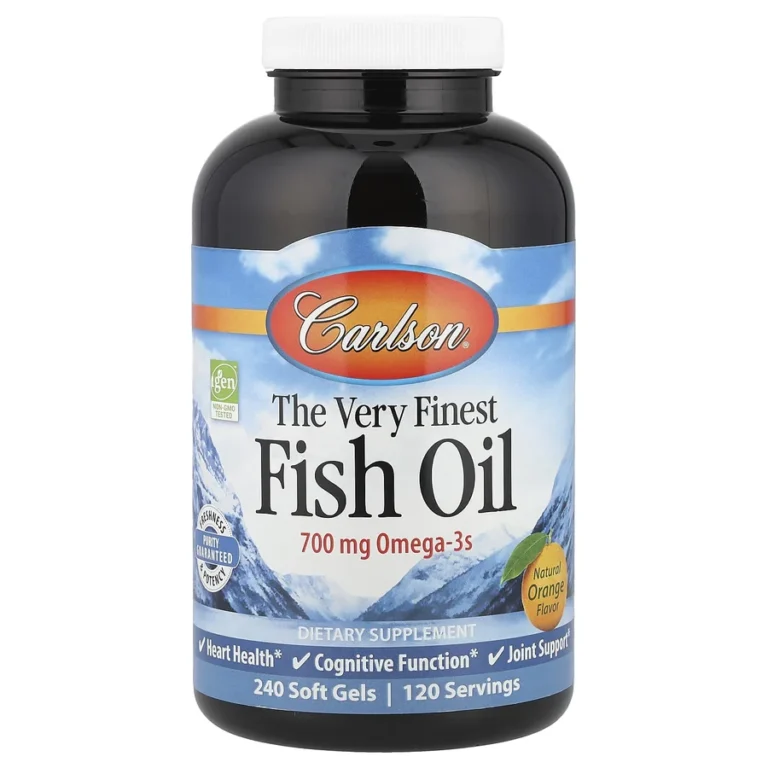 Softgels Carlson The Very Finest Fish Oil Omega-3 700 mg; EPA 360 mg; DHA 240 mg per label serving.
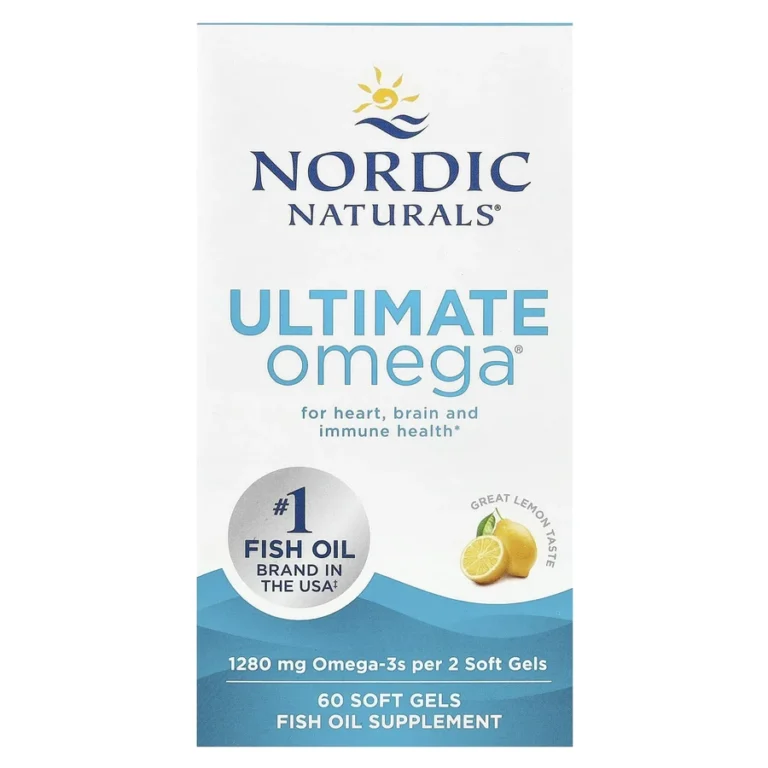 Softgels Nordic Naturals Ultimate Omega Omega-3 1,280 mg; EPA 650 mg; DHA 450 mg per label serving.
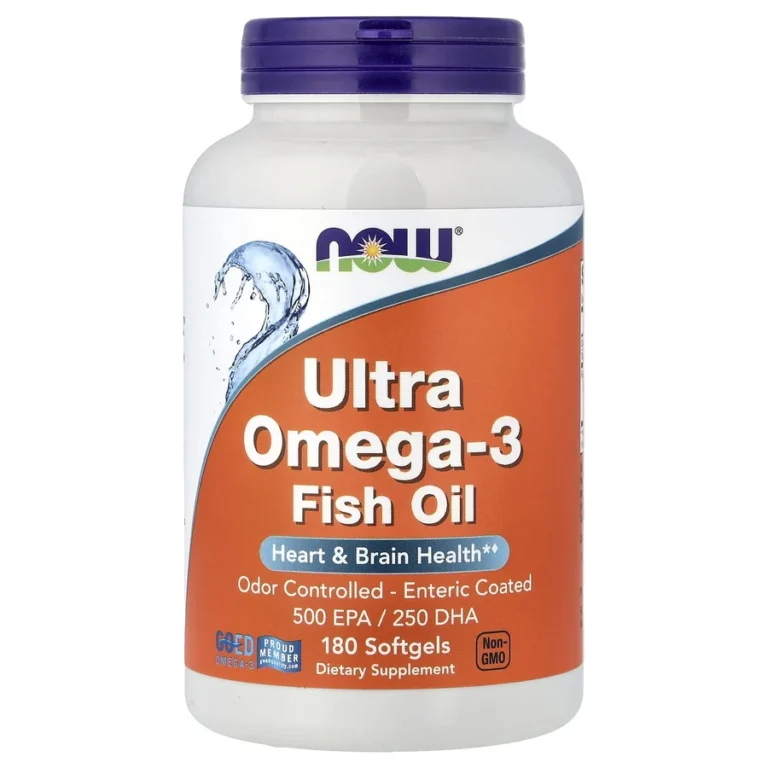 Softgels NOW Ultra Omega-3 Fish Oil Fish oil 1,000 mg; EPA 500 mg; DHA 250 mg per label serving.
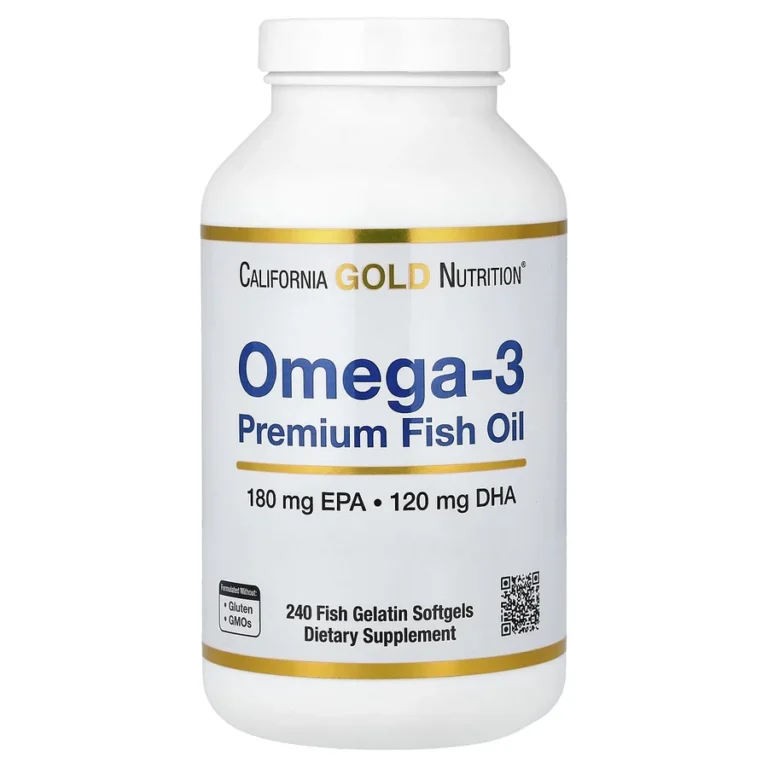 Softgels California Gold Nutrition Omega-3 Premium Fish Oil Omega-3 640 mg; EPA 360 mg; DHA 240 mg per label serving.
What do fish oil and algal oil have in common?
Both fish oil and algal oil are used to provide long-chain omega-3 fatty acids. According to NCCIH, fish oil supplements provide EPA and DHA. NCCIH also says algal oil is a vegetarian source of DHA, and that some algal oil products also provide EPA.
That matters because omega-3 is not just one thing. NIH’s Office of Dietary Supplements distinguishes ALA, EPA, and DHA as different omega-3 fatty acids, and notes that the body converts only limited amounts of ALA into EPA and DHA. So if your goal is to get EPA or DHA directly, it helps to look for those exact forms on the label rather than assuming all omega-3 sources work the same way.
It is also worth keeping expectations grounded. NCCIH says there is more evidence for eating seafood than for taking omega-3 supplements for many broad health questions. If you want a general primer before comparing products, see our guide to omega-3 supplements.
Where does fish oil stand out?
- EPA and DHA together: Fish oil is the more familiar option if you want both listed together on the label.
- Label expectations: Many shoppers already expect fish oil to contain EPA and DHA, which can make comparison simpler.
- Direct long-chain omega-3 source: If your goal is specifically EPA plus DHA, fish oil often fits that goal without needing a lot of label hunting.
The catch is that not all fish oil products are equal. A front label may emphasize “fish oil” in large print while the meaningful comparison is the actual EPA and DHA per serving size. If labels tend to blur together for you, this guide on how to read a supplement label can help, and our fish oil quality checklist covers what else to verify on a bottle.
Where does algal oil stand out?
- Fish-free source: Algal oil is the obvious option if you want to avoid fish.
- Vegetarian fit: NCCIH identifies algal oil as a vegetarian source of DHA.
- DHA-focused options: If your main interest is DHA, algal oil may be a straightforward match.
The main thing to watch is product variation. Some algal oil supplements provide DHA only, while some provide DHA plus EPA. That means algal oil can be an excellent fit, but only if the product’s EPA and DHA profile matches what you actually want.
What are the practical tradeoffs?
- Source preference: If fish-free matters to you, algal oil has a clear advantage.
- EPA and DHA profile: Fish oil often makes it easier to find both EPA and DHA together. Algal oil may be more DHA-centered unless the label says otherwise.
- Tolerability: NIH ODS says common omega-3 supplement side effects can include unpleasant taste, bad breath, heartburn, nausea, and gastrointestinal discomfort.
- Aftertaste concerns: If you are choosing mainly because you dislike fishy aftertaste, product choice and timing may matter as much as source. See can fish oil cause reflux or fishy burps? and the best time to take omega-3.
- Cost comparison: Do not compare bottle price alone. Compare the amount of EPA and DHA you get per serving.
- Label clarity: The best product is often the one that makes the EPA and DHA amounts easiest to verify.
Which option fits which use case?
- You want a fish-free omega-3: Algal oil is usually the better fit.
- You want EPA and DHA listed together: Fish oil often makes that simpler, though some algal oil products also include EPA.
- You mainly want DHA: Algal oil may be a practical option if the label clearly shows the DHA amount you want.
- You want the simplest label comparison: Choose the product that clearly states EPA and DHA per serving, regardless of source.
- You are sensitive to unpleasant taste or aftertaste: Review the exact product, not just the source category, and pay attention to how you personally respond.
- You are deciding between broad food-based and supplement-based omega-3 intake: Remember that evidence is stronger for eating seafood than for using supplements for many big-picture health questions.
What do users often get wrong?
- “Omega-3” is not one single nutrient. ALA, EPA, and DHA are different fatty acids.
- Plant omega-3 and marine omega-3 are not automatically equivalent. NIH ODS says the body converts only limited amounts of ALA into EPA and DHA.
- All algal oil is not the same. Some products provide DHA alone; some also provide EPA.
- All fish oil is not the same. EPA and DHA amounts can vary a lot from one product to another.
- The front of the bottle is not the most important part. “1000 mg fish oil” or similar wording does not tell you the full EPA and DHA picture.
- Supplements are not a stand-in for seafood evidence. NCCIH notes that seafood has stronger evidence than supplements for many broad questions.
When should you talk to a clinician?
Talk to a clinician if you are not sure whether you should prioritize DHA alone or EPA plus DHA, if side effects keep happening, or if your health history makes supplement choices less straightforward. Our guide on when to talk to a clinician can help you decide when it is worth getting personalized advice.
FAQ
Is algal oil as good as fish oil?
Neither source wins for everyone. Fish oil commonly provides EPA and DHA. Algal oil is a fish-free, vegetarian source of DHA, and some products also provide EPA. The better choice depends on whether you want a fish-free option, whether you want EPA and DHA together, and how the label matches your goal.
Does algal oil contain both EPA and DHA?
Not always. NCCIH says algal oil is a vegetarian source of DHA, and that some algal oil products also provide EPA. You need to check the label for the exact amounts.
Is fish oil better if I want EPA?
Often, fish oil is the more straightforward place to look if you want EPA plus DHA on the label. But some algal oil products also contain EPA. The key is to compare the Supplement Facts panel, not just the product category.
Do fish oil and algal oil have side effects?
Omega-3 supplements in general can cause unpleasant taste, bad breath, heartburn, nausea, and gastrointestinal discomfort, according to NIH ODS. If side effects are the main issue, pay attention to the exact product and how you take it.
Should I compare total oil milligrams or EPA and DHA milligrams?
Compare EPA and DHA per serving. Total oil amount alone can make products look more similar than they really are.
If I am vegetarian, is algal oil the obvious choice?
If you want a fish-free, vegetarian omega-3 source, algal oil is usually the most direct fit. Just remember that some algal oils are DHA-only, while others also provide EPA.
Can I just rely on ALA instead of taking fish oil or algal oil?
ALA is a different omega-3 fatty acid. NIH ODS says the body converts only limited amounts of ALA into EPA and DHA. If your goal is to get EPA or DHA directly, you should not assume ALA will fill the same role.
When the Fish Oil vs Algal Oil answer changes
The better choice depends on your goal, dose, preferred form, medicines, tolerance and budget. No single option suits everyone.
- Safety changes the answer: medications, pregnancy, kidney/liver issues, surgery, abnormal labs, or side effects can outweigh convenience.
- Label details change the answer: serving size, active amount, other ingredients, testing proof, and price per useful dose can shift the practical pick.
- Goal changes the answer: sleep, digestion, training, deficiency correction, and general wellness can require different forms or timing.
Direct answers to common fish oil vs algal oil questions
Is algae oil as good as fish oil?
Algae oil can be a good fish-free omega-3 source, especially for DHA, and some algal products also provide EPA. Whether it is “as good” depends on the exact EPA and DHA amounts per serving size, not the source name alone.
Is algae omega-3 better than fish oil?
Algae omega-3 is better if fish-free or vegetarian sourcing matters most. Fish oil is often easier when you want a familiar EPA+DHA label, but the exact product still matters more than the category.
Is omega-3 from algae as good as fish oil?
Omega-3 from algae can directly provide DHA and sometimes EPA. To compare it fairly with fish oil, look at DHA, EPA, serving size, source preference, side effects, and price per useful serving.
Do fish get omega-3 from algae?
Algae are part of the marine omega-3 food chain, which is one reason algal oil can be a direct fish-free source. For shoppers, the important label question is still whether the product provides DHA only or DHA plus EPA.
Update Note
Last reviewed and updated on September 24, 2026. Added a quick decision table and clearer label guidance around EPA, DHA, serving size, fish-free sourcing, and tolerance tradeoffs.
Editorial information
Reviewed for Trust
- Publisher: Supplement Explained Editorial Team
- Review model: Editorial evidence review; clinician review is shown only when a named clinician is listed.
- Last reviewed: September 24, 2026
- Last updated: September 24, 2026
- Editorial Policy | How We Review Evidence | Research Process | Disclaimer
- Use: Informational only. Not personal medical advice.