
Creatine Supplement
Quick answer
For broad use, creatine monohydrate is still the default reference form. It is the most widely used and studied form, and official NIH materials say other forms have not been proven superior for raising muscle creatine levels, digestibility, product stability, or safety.
- Best-supported use: repeated short bursts of intense, intermittent activity and high-intensity exercise.
- What it may support: strength, power, and the ability to contract muscles for maximum effort.
- What it is not: a stimulant.
- Common practical issue: some weight gain from water retention.
- Common dosing approach: about 20 grams per day for 5 to 7 days, then 3 to 5 grams per day.
- Important limit: it appears to have little value for endurance activities.
If your next question is which form or product format to buy, use the Creatine Form Decision Matrix to compare monohydrate, HCl, capsules, gummies, blends, serving math, and price-per-useful-serving logic.
Creatine is one of the best-studied sports supplements. For most people, the real questions are practical ones: whether their training actually matches the evidence, whether temporary water weight matters, and whether basic creatine monohydrate is enough.
If you are comparing options across our supplements library, this page is the broad starting point.
On this pageTable of Contents
- 1Creatine decision table
- 2What creatine is
- 3Science in simple terms
- 4Why people take creatine
- 5What the evidence says
- 6Strength of evidence
- 7Creatine monohydrate vs other forms
- 8Timing and dosage context
- 9Do you need a loading phase when starting creatine?
- 10Does creatine cause weight gain or water retention?
- 11Is creatine only for athletes?
- 12Side effects and interactions
- 13Who may benefit
- 14FAQ
Featured Product Routes
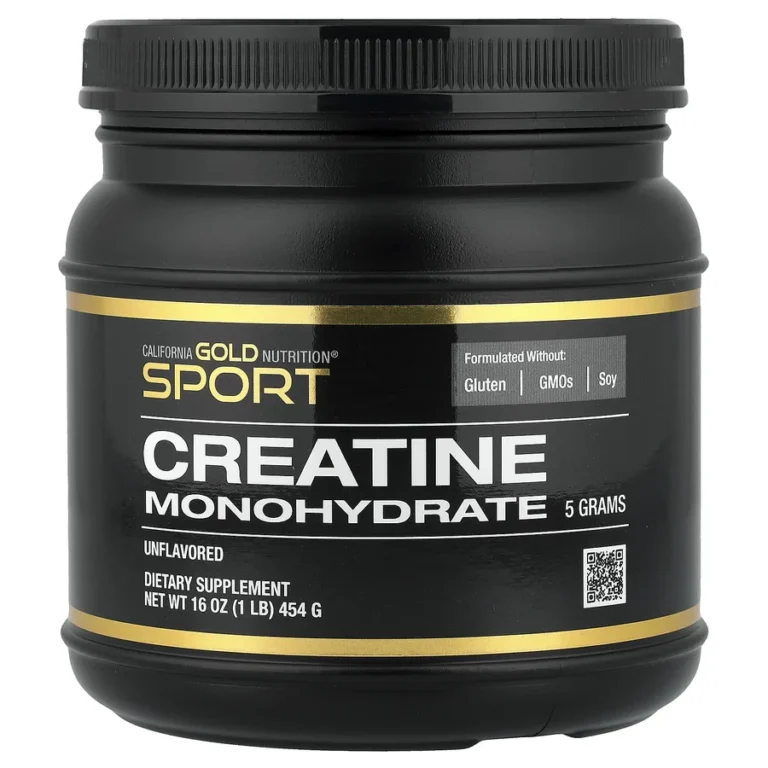
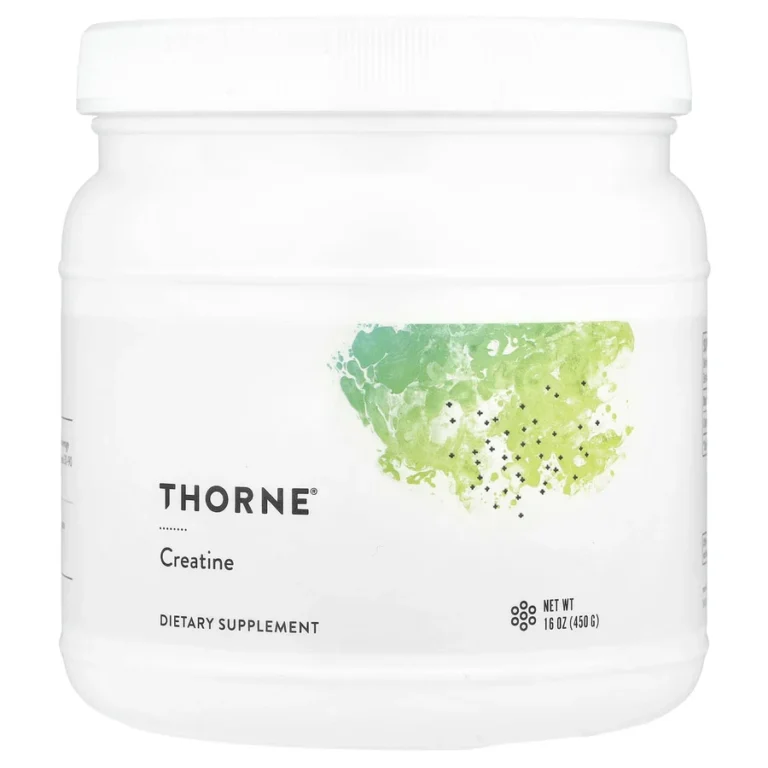
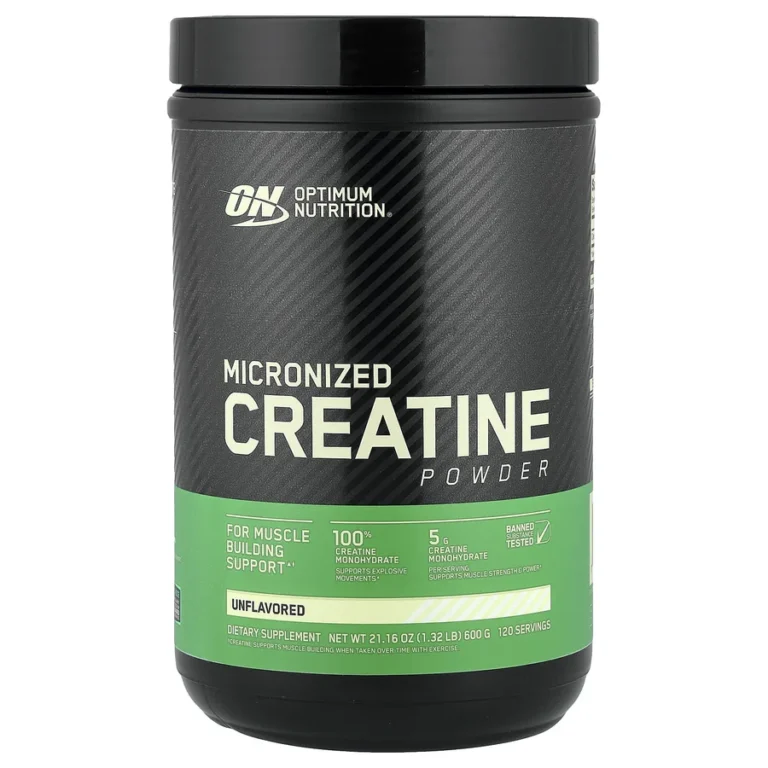
If creatine already belongs in the plan, the real next step is product fit: cheaper plain monohydrate, athlete-testing trust, or big-tub practicality. These live product analyses answer that faster than more generic creatine advice.
Creatine decision table
| Question | Best next check | Useful internal route |
|---|---|---|
| You want the default creatine form. | Start with plain creatine monohydrate unless a specific reason says otherwise. | Creatine monohydrate vs HCl |
| You train for strength or power. | Check whether your training matches short, repeated, high-intensity use. | Workout recovery |
| You are worried about hair loss. | Separate internet claims from current evidence and the form actually studied. | Creatine and hair loss |
| You are comparing tubs or capsules. | Check grams per serving, serving count, other ingredients, and testing claims. | Creatine form decision matrix |
| You want to take it at night. | Focus on consistency and stomach fit rather than stimulant-like timing concerns. | Can you take creatine at night? |
What creatine is
Creatine is a compound stored in muscles that helps supply them with energy. Your body makes about 1 gram of creatine per day, and you also get some from animal-based foods such as beef and salmon.
That basic biology is why creatine shows up so often in sports nutrition. It is not an artificial “energy rush” ingredient. It is a compound your body already uses.
Science in simple terms
When your muscles need quick energy for very hard effort, creatine helps support that demand. In plain English, it tends to matter most when exercise is short, intense, and repeated.
That helps explain why the evidence is strongest for things like strength and power, and much weaker for long, steady endurance work. It also explains why creatine is often misunderstood: people sometimes expect it to feel like caffeine, but creatine is not a stimulant.
Why people take creatine
People usually take creatine to support training that depends on high effort output. NIH materials say creatine supplements can increase strength, power, and the ability to contract muscles for maximum effort, although individual response varies.
- To support repeated high-intensity training
- To support strength and power output
- To support lean body mass during exercise
- To make a hard-training routine more consistent with the evidence base
What the evidence says
The clearest evidence is not for every kind of exercise. NIH says creatine seems most useful for repeated short bursts of intense, intermittent activity lasting up to about 2.5 minutes at a time. It appears to have little value for endurance activities.
The same source notes that creatine can increase strength, power, and maximum-effort muscle contraction, but responses differ among individuals. In other words, it is evidence-backed, but not everybody notices the same effect.
Strength of evidence
- Stronger: creatine monohydrate for high-intensity exercise capacity and lean body mass during exercise.
- Stronger: repeated short, intense, intermittent activity rather than long-duration endurance work.
- Moderate but variable: benefits for strength and power, because individual response differs.
- Weak or unsupported here: claims that premium forms automatically work better than monohydrate.
- Weak or unsupported here: treating timing as the main driver of results.
Creatine monohydrate vs other forms
Creatine monohydrate remains the reference form because it is the most widely used and studied. The NIH health-professional sheet goes further and describes creatine monohydrate as the most effective nutritional supplement currently available for enhancing capacity for high-intensity exercise and lean body mass during exercise.
That does not mean every other form is useless. It does mean that other, usually more expensive, forms have not been proven superior to creatine monohydrate for enhancing muscle creatine levels, digestibility, product stability, or safety.
If you are specifically choosing between HCl and monohydrate, see our creatine monohydrate vs HCl comparison. If you are shopping across forms, the Creatine Form Decision Matrix brings label math, capsules, gummies, blends, price, and testing signals into one route. It also helps to know how to read a supplement label, check the serving size, and scan other ingredients before paying extra for marketing terms that do not match the evidence.
Timing and dosage context
A common sports-medicine approach is a loading phase of about 20 grams per day for 5 to 7 days, followed by 3 to 5 grams per day. That is the dosing pattern described in the NIH source notes used for this page, but the exact product label still matters because one serving size may not equal the amount you intend to take.
On timing, the main point is simpler than many marketing claims suggest: creatine is not a stimulant. The source notes used here do not establish a special best time of day. For many people, timing questions are really about routine, comfort, and consistency. If nighttime use is your specific concern, see can you take creatine at night?
Do you need a loading phase when starting creatine?
Not always, but it is a common approach. The NIH source notes used for this page describe a loading phase of about 20 grams per day for 5 to 7 days, followed by 3 to 5 grams per day.
The more useful real-world point is that loading is a speed question, not a “creatine only works if you load” question. If your routine or stomach tolerance makes a loading phase feel unrealistic, that matters too.
Does creatine cause weight gain or water retention?
It can. The current NIH-backed safety summary on this page says creatine usually causes some weight gain because it increases water retention.
That is one reason people sometimes think something is going wrong when the scale moves early. In many cases, the more honest explanation is water weight, not instant fat gain.
Is creatine only for athletes?
No, but it is still most logical when the goal matches the evidence. The clearest support on this page is for repeated short, intense effort, strength, power, and similar training demands.
So the better filter is not “am I an athlete?” It is “does my training and reason for taking creatine actually line up with what creatine has been studied for?”
Side effects and interactions
Creatine usually causes some weight gain because it increases water retention. That can be expected, especially early on, and it is one reason people sometimes misread the scale after starting.
NIH says creatine is safe for healthy adults to take for several weeks or months and seems safe for long-term use over several years. Rare individual reactions can include muscle stiffness, cramps, and gastrointestinal distress.
For interactions, this page’s source set does not support a simple one-size-fits-all list. If you take medicines, use several supplements at once, or have a health condition, a personalized review is more useful than guessing from a general article.
Who may benefit
- People doing repeated short, intense, intermittent exercise
- People focused on strength, power, or maximum-effort output
- People whose training includes hard efforts lasting up to about 2.5 minutes at a time
- People comfortable with the fact that some scale weight increase can happen from water retention
Who should use caution
- People outside the “healthy adult” group described in the safety evidence
- People with medical conditions or regular medication use who have not reviewed creatine with a clinician
- People in situations where small changes in body weight matter a lot
- People expecting creatine to act like a stimulant or to improve endurance performance
What users often get wrong
- They treat creatine like caffeine. It is not a stimulant.
- They assume more expensive forms must be better. The evidence does not show that other forms beat monohydrate.
- They judge it only by the scale. Early weight gain is often water retention, not a sign that something is wrong.
- They expect endurance benefits. NIH says creatine appears to have little value for endurance activities.
- They ignore label basics. Brand language can sound impressive even when the evidence still points back to plain monohydrate. Review how to read a supplement label, the serving size, and other ingredients before choosing a product.
When to talk to a clinician
Talk to a clinician before using creatine if you have a medical condition, take regular medicines, have had previous problems with supplements, or are not sure whether your training goals line up with the evidence. A short review can help you decide whether creatine fits your situation or whether you are solving the wrong problem first.
For high creatinine while taking creatine, bring the original lab report and supplement label; pooled research cannot clear an individual abnormal result.
For a practical checklist, see when to talk to a clinician.
Creatine Monohydrate Products to Compare
All three deliver a research-aligned monohydrate dose. The real differences are raw-material sourcing, finished-product certification, current formula freshness, container size, and price.
FAQ
Evidence map
What the evidence changes in the decision
| Claim | Evidence type | Reader decision | Freshness risk |
|---|---|---|---|
| Creatine monohydrate remains the default comparison point | Evidence synthesis | Most users should compare other forms against monohydrate before paying more. | Medium |
| Routine consistency matters more than timing precision | Practical use boundary | Daily adherence and tolerability usually matter more than morning vs night debates. | Low |
| Kidney disease or abnormal labs change the decision | Safety boundary | Creatine is not a blind self-experiment for users with kidney concerns or complex medical context. | Medium |
This table is a decision aid. It does not diagnose a deficiency, predict individual benefit, or replace medication-specific advice.
Direct answers to common creatine supplement questions
What is a creatine supplement?
A creatine supplement provides creatine, a compound your body already uses to help muscles meet short, high-intensity energy demands. Creatine monohydrate is the most studied supplement form.
Is creatine monohydrate the best creatine supplement?
For most people, creatine monohydrate is the best default because it is the most widely used, most studied, and usually the best value. Other forms have not been proven broadly superior.
Who is creatine most useful for?
Creatine is most relevant for repeated short bursts of intense exercise, strength, power, and training-related lean body mass. It is less useful for long, steady endurance activity.
What should you check before buying creatine?
Check whether the product is plain creatine monohydrate, the amount per serving size, other ingredients, third-party testing when relevant, and whether premium claims match the evidence.
Update Note
Last reviewed and updated on October 7, 2026. Added glossary-linked label checks and a decision table for creatine monohydrate, training fit, hair-loss concerns, label comparison, and timing.
Editorial information
Reviewed for Trust
- Publisher: Supplement Explained Editorial Team
- Review model: Editorial evidence review; clinician review is shown only when a named clinician is listed.
- Last reviewed: October 7, 2026
- Last updated: October 7, 2026
- Editorial Policy | How We Review Evidence | Research Process | Disclaimer
- Use: Informational only. Not personal medical advice.