
Creatine Monohydrate vs HCl
If you are trying to choose the best form of creatine before buying, the short answer is usually simple: creatine monohydrate remains the default pick for most people. It is the most studied form, usually costs less, and has not been shown to be inferior to creatine HCl on the outcomes most buyers care about.
- Best-supported choice: creatine monohydrate.
- What HCl may offer: easier mixing and a more premium-feeling format.
- What is not proven: that HCl works better than monohydrate for strength, muscle creatine levels, safety, or body-composition outcomes.
- Practical rule: if you are unsure, start with monohydrate and keep HCl as a convenience option, not an evidence upgrade.
Fast verdict for Creatine Monohydrate vs HCl
For most shoppers, creatine monohydrate is the better buy. The NIH Office of Dietary Supplements describes it as the most widely used and studied form of creatine in supplements, and its health professional guidance says it is the most effective nutritional supplement currently available for enhancing capacity for high-intensity exercise and lean body mass during exercise.
Creatine HCl is often marketed as more soluble, easier to take in smaller servings, or less likely to cause bloating. Those points may matter to some users in practice, but they do not add up to proof that HCl works better. A 2024 randomized trial comparing creatine hydrochloride with creatine monohydrate alongside resistance training found that both forms helped versus placebo, but HCl showed no benefit over monohydrate. A 2025 placebo-controlled randomized clinical trial in elite team-sport athletes also concluded that HCl superiority claims were not supported.
If you want a broader primer first, see our guide to creatine basics. If the question has turned into product label math, use the Creatine Form Decision Matrix.
On this pageTable of Contents
- 1Fast verdict for Creatine Monohydrate vs HCl
- 2Creatine monohydrate vs HCl: quick decision table
- 3If this comparison turned into a product decision
- 4What both forms have in common
- 5Where monohydrate stands out
- 6Where HCl stands out
- 7Practical tradeoffs
- 8Which option fits which use case
- 9What users often get wrong
- 10When to talk to a clinician
- 11FAQ
Creatine monohydrate vs HCl: quick decision table
Use this table as the fast shopping filter before comparing labels or prices.
| Decision point | Creatine monohydrate | Creatine HCl |
|---|---|---|
| Best reason to choose it | Most studied default form and usually the better value. | Convenience, smaller-feeling servings, or easier mixing. |
| Evidence position | Stronger evidence base for common strength and training goals. | Not proven superior to monohydrate for the main outcomes buyers care about. |
| Label check that matters | Look for plain creatine monohydrate and a realistic serving size. | Check whether the smaller serving is a convenience claim or a clearly justified dose. |
| Who should lean this way | Most people who want the evidence-first, cost-conscious choice. | People who already tried monohydrate and strongly disliked the product experience. |
If this comparison turned into a product decision
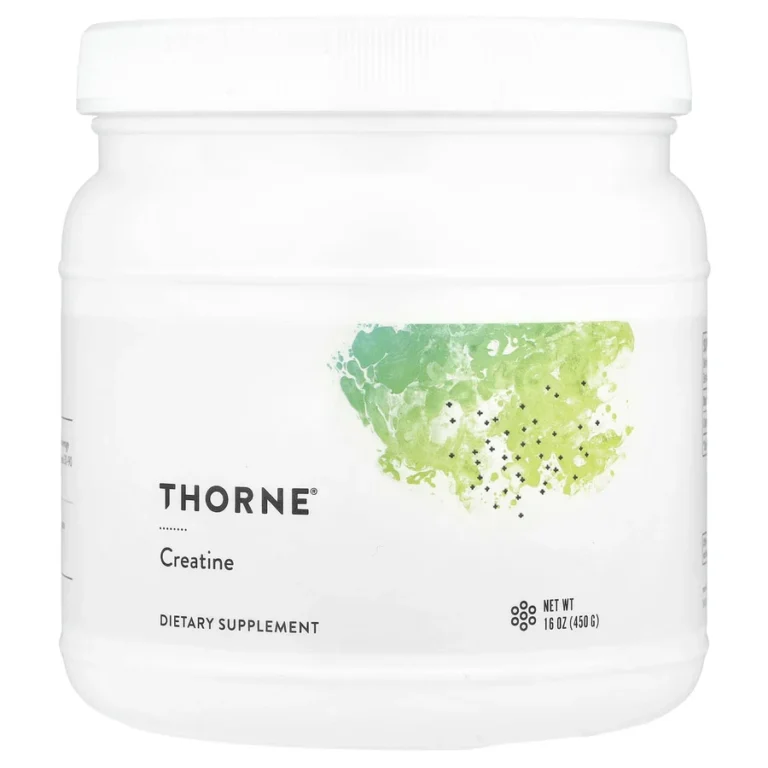
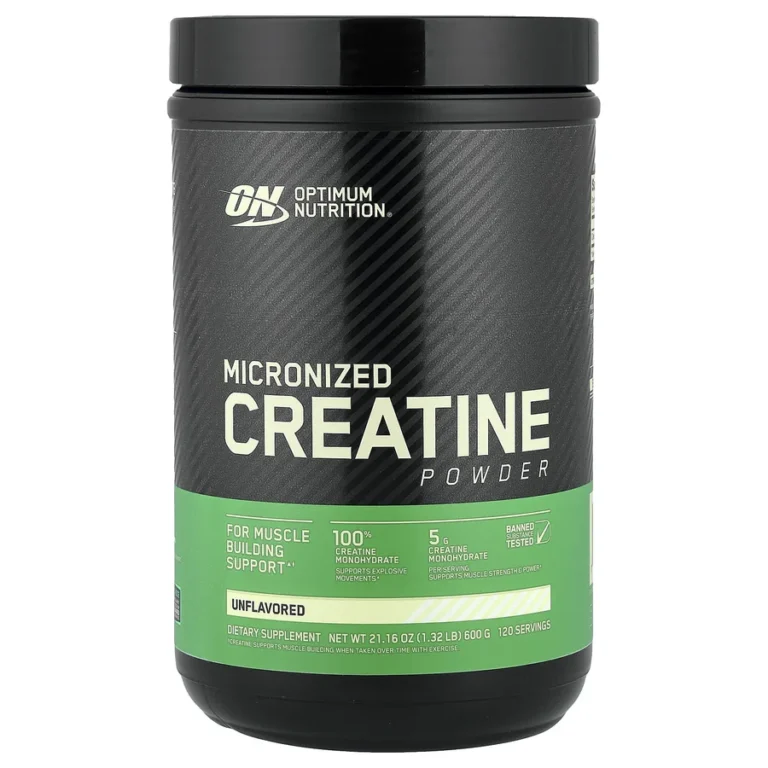
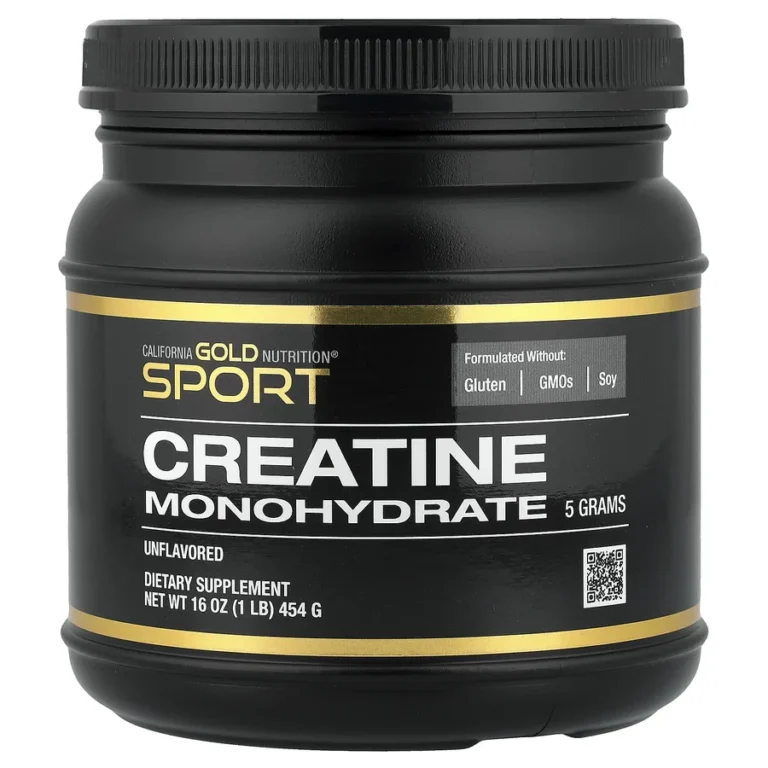
Use these product pages to compare real creatine labels after you decide whether you want the evidence-first monohydrate route or a more convenience-focused format.
What both forms have in common
Both products are forms of creatine. The reason people take either one is the same: to support high-intensity exercise performance and training-related muscle outcomes.
In plain terms, both monohydrate and HCl are trying to do the same job. The important question is not whether they sound chemically different on the label, but whether one produces better real-world results. Right now, the evidence base is much deeper for monohydrate, and the available direct comparison does not show HCl outperforming it.
That means the shared headline is straightforward: both can be useful, but the basic goal is the same, and the premium form has not clearly earned a premium evidence position.
Where monohydrate stands out
Monohydrate stands out on evidence, familiarity, and value.
- It is the most studied form. NIH ODS identifies creatine monohydrate as the most widely used and studied form in supplements.
- It has the strongest performance case. NIH ODS health professional guidance says creatine monohydrate is the most effective nutritional supplement currently available for enhancing capacity for high-intensity exercise and lean body mass during exercise.
- It is the benchmark form. Other, often more expensive forms have not been proven superior to monohydrate for muscle creatine levels, digestibility, product stability, or safety.
- It is usually cheaper. For many buyers, this matters more than marketing language about newer forms.
If your goal is to follow the most evidence-backed path and avoid paying extra for uncertain upside, monohydrate is usually the stronger choice.
Where HCl stands out
Creatine HCl stands out mostly on product experience, not on stronger outcome data.
- Solubility: HCl is commonly marketed as mixing more easily in water.
- Smaller servings: some HCl products are sold around the idea that you can take less powder.
- Perceived comfort: it is often promoted as gentler or less bloating-prone.
Those points may make HCl appealing if you dislike gritty drinks or simply prefer a premium-feeling formula. But it is important to keep the claim in proportion: better dissolved is not the same thing as proven to work better.
At the moment, HCl looks more like a convenience option than a clearly superior performance option.
Practical tradeoffs
When buyers compare monohydrate and HCl, the real decision usually comes down to tradeoffs rather than dramatic differences in results.
For diarrhea while taking creatine, review serving size and the complete ingredient list before assuming a different form will solve it.
- Evidence confidence: monohydrate wins clearly.
- Cost: monohydrate is usually the more budget-friendly choice.
- Mixing and texture: HCl may appeal more if you care about solubility.
- Bloating claims: HCl is often marketed this way, but current evidence does not establish it as clearly superior.
- Buying simplicity: monohydrate is easier to recommend broadly because the research base is stronger.
Whatever form you choose, it helps to check the label carefully so you know the exact form and amount you are getting. Our Creatine Form Decision Matrix covers form, serving math, cost, and testing signals; our guide on how to read a supplement label covers the broader label-reading workflow.
Which option fits which use case
Choose creatine monohydrate if:
- you want the most studied form
- you want the strongest evidence for high-intensity exercise support
- you want the better value option
- you do not want to pay extra for a form that has not been proven superior
Consider creatine HCl if:
- you strongly prefer a product that may mix more easily
- you dislike the feel of standard powders
- you are comfortable paying more for convenience even without stronger evidence
If you are stuck between them: start with monohydrate. Move to HCl only if a practical issue like mixing experience matters enough to justify the extra cost.
What users often get wrong
- “More expensive means better.” Not necessarily. NIH ODS notes that other, usually more expensive, forms have not been proven superior to monohydrate.
- “More soluble means more effective.” Easier mixing does not automatically mean better training results.
- “HCl has already replaced monohydrate.” It has not. Monohydrate is still the research standard.
- “Claims about less bloating are settled science.” They are not. This is an area where marketing often runs ahead of proof.
- “Form confusion answers every safety question.” It does not. Questions such as whether creatine can cause hair loss are separate from whether HCl or monohydrate is the better buy.
When to talk to a clinician
If you have a medical condition, take regular medication, or are not sure whether a supplement fits your situation, it is sensible to check with a clinician before starting. The monohydrate-vs-HCl choice does not remove broader side effect or interaction questions, especially if you are managing kidney-related concerns, complex training supplements, or ongoing medicines. We cover the basics in when to talk to a clinician about supplements.
FAQ
Is creatine HCl better than creatine monohydrate?
Based on the evidence cited here, no. HCl may be marketed as easier to mix or easier to take in smaller servings, but it has not been proven superior to monohydrate for the main outcomes people buy creatine for.
Which form is best for most people?
For most people, creatine monohydrate is the best starting point because it is the most studied form and is usually less expensive.
Does creatine HCl cause less bloating?
That claim is common in marketing, but the evidence base does not clearly establish HCl as superior to monohydrate on this point. It is better treated as a possibility, not a proven advantage.
Why do some HCl products use smaller servings?
HCl is often sold around the idea of smaller scoop sizes and better solubility. That may be attractive for convenience, but it does not by itself prove better effectiveness.
Can I take creatine at night?
Many people can. If timing is your main question rather than form, read can you take creatine at night?
Does the form change concerns about hair loss?
The monohydrate-versus-HCl comparison does not settle that question. For a separate evidence review, see can creatine cause hair loss?
How should I choose between products on the shelf?
First decide whether you want the evidence-first option or the convenience-first option. Then check the label for the exact creatine form and amount per serving. Our guide on how to read a supplement label can help.
References
- NIH Office of Dietary Supplements: Exercise and Athletic Performance Fact Sheet for Consumers
- NIH Office of Dietary Supplements: Exercise and Athletic Performance Fact Sheet for Health Professionals
- International Society of Sports Nutrition position stand on creatine supplementation
- PubMed: Randomized trial comparing creatine hydrochloride and creatine monohydrate
- PMC: 2024 randomized trial comparing creatine hydrochloride and monohydrate alongside resistance training
- JISSN 2025 randomized clinical trial comparing low-dose creatine monohydrate and HCl
When the Creatine Monohydrate vs HCl answer changes
The better choice depends on your goal, dose, preferred form, medicines, tolerance and budget. No single option suits everyone.
- Safety changes the answer: medications, pregnancy, kidney/liver issues, surgery, abnormal labs, or side effects can outweigh convenience.
- Label details change the answer: serving size, active amount, other ingredients, testing proof, and price per useful dose can shift the practical pick.
- Goal changes the answer: sleep, digestion, training, deficiency correction, and general wellness can require different forms or timing.
Direct answers to common creatine HCl vs monohydrate questions
Is creatine HCl better than creatine monohydrate?
Creatine HCl has not been proven better than creatine monohydrate for the main outcomes most shoppers care about. Monohydrate remains the evidence-first default; HCl is better framed as a convenience option.
What is the difference between creatine monohydrate and creatine HCl?
The main practical difference is product experience, label dosing, and price. Monohydrate has the deeper evidence base, while HCl is often marketed around solubility, smaller-feeling servings, and easier mixing.
Is creatine HCl or monohydrate better?
For most people, monohydrate is the better first choice because it is better studied and usually less expensive. HCl may make sense only if you strongly prefer its mixing or format enough to pay more.
Is creatine hydrochloride better than monohydrate?
No strong evidence shows creatine hydrochloride is broadly superior to monohydrate. If a product implies otherwise, check the actual creatine amount, serving size, and evidence behind the claim.
Update Note
Last reviewed and updated on October 7, 2026. Added a quick decision table, product-route links, and clearer label-reading and safety guidance for monohydrate-vs-HCl shoppers.
Editorial information
Reviewed for Trust
- Publisher: Supplement Explained Editorial Team
- Review model: Editorial evidence review; clinician review is shown only when a named clinician is listed.
- Last reviewed: October 7, 2026
- Last updated: October 7, 2026
- Editorial Policy | How We Review Evidence | Research Process | Disclaimer
- Use: Informational only. Not personal medical advice.