
Magnesium Citrate vs Oxide
If you are choosing between magnesium citrate and magnesium oxide, the real question is not which one is universally better. It is which one better matches your goal. In plain terms, citrate is usually the more absorption-friendly option and often makes more sense when constipation is part of the reason you are taking it. Oxide is commonly the cheaper, more widely used option, but it has lower bioavailability, so expectations should be different.
For a broader overview of magnesium itself, see our magnesium guide.
Fast verdict for Magnesium Citrate vs Oxide: Which Fits Constipation, Absorption, and Tolerance Better?
Magnesium citrate is generally better absorbed than magnesium oxide, but that does not make it the best choice for every person. Citrate usually makes more sense when absorption or constipation fit is the main question. Oxide is often cheaper and common, but lower bioavailability means the front-label dose can be misleading if you assume all forms behave the same.
- For absorption: magnesium citrate generally has higher bioavailability than magnesium oxide.
- For occasional constipation: citrate is often the better fit because it is used short term for that purpose and commonly works within 30 minutes to 6 hours.
- For price and practicality: oxide is often the lower-cost option and is still commonly used, but lower absorption means it may not perform the same way as citrate.
- For stomach and bowel tolerance: both can cause GI side effects, and loose stools can be part of the tradeoff.
- Best choice overall: there is no one winner for every situation.
On this pageTable of Contents
- 1Fast verdict for Magnesium Citrate vs Oxide: Which Fits Constipation, Absorption, and Tolerance Better?
- 2Magnesium citrate vs oxide: quick decision table
- 3If this comparison turned into a product decision
- 4What both have in common
- 5Where magnesium citrate stands out
- 6Where magnesium oxide stands out
- 7Practical tradeoffs
- 8Which option fits which use case
- 9What users often get wrong
- 10FAQ
Magnesium citrate vs oxide: quick decision table
Most searches around this comparison come down to absorption, constipation fit, and price. This table keeps those tradeoffs visible.
| Decision point | Magnesium citrate | Magnesium oxide |
|---|---|---|
| Best reason to choose it | Better bioavailability than oxide and a clearer constipation use case. | Lower cost, common availability, and practical antacid/laxative use in some products. |
| Constipation context | Usually the more relevant option when bowel movement is part of the goal. | Can appear in laxative products, but absorption expectations are different. |
| Daily supplement context | May be too bowel-active for people who do not want loose stools. | May be practical if budget matters and expectations are realistic. |
| Label check that matters | Check elemental magnesium per serving size and how strong the bowel effect may feel. | Check elemental magnesium and do not assume a larger front-label number means more absorbed magnesium. |
If this comparison turned into a product decision
Citrate and oxide are form decisions, but real products still need label-by-label comparison. These magnesium product pages are useful examples for checking dose, serving burden, tolerance, and brand positioning.
 Tablets Doctor's Best High Absorption Magnesium Elemental magnesium 200 mg; lysinate/glycinate chelate per label serving.
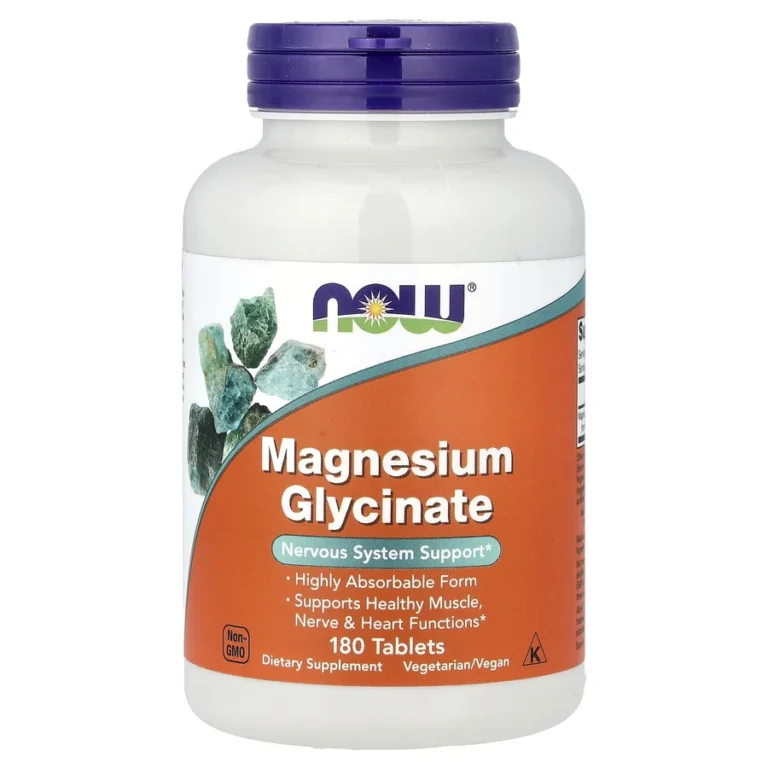 Tablets NOW Magnesium Glycinate Elemental magnesium 200 mg (100 mg per tablet) per label serving.
 Powder Thorne Magnesium Bisglycinate Elemental magnesium 200 mg per label serving.
What both have in common
Both magnesium citrate and magnesium oxide are magnesium supplements, and both can affect the digestive tract. That matters because many people are not choosing between them for a lab-based reason. They are choosing based on real-world questions like constipation, stomach tolerance, convenience, and cost.
Both forms can show up in short-term laxative use. Both can also be used in supplement discussions when someone wants extra magnesium. The difference is that they do not behave exactly the same way once taken.
If you are comparing forms mainly because you want a daily supplement and not a bowel effect, it can also help to compare magnesium glycinate vs citrate.
Where magnesium citrate stands out
Magnesium citrate stands out most in two areas: absorption and constipation fit.
The NIH Office of Dietary Supplements notes that magnesium forms that dissolve well in liquid tend to be absorbed better, and citrate has higher bioavailability than magnesium oxide. That does not mean citrate is always the right choice, but it does mean it is often the more logical option when better absorption is part of the goal.
It also has a clearer role for occasional constipation. MedlinePlus states that magnesium citrate is used short term for occasional constipation and usually causes a bowel movement within 30 minutes to 6 hours. If constipation is part of why you are shopping, citrate often makes the most sense. You can read more in our guide to constipation support.
The tradeoff is practical: the same bowel effect that makes citrate useful for constipation can be unwelcome if you are not constipated. If loose stools are already an issue, that may steer the decision. We cover that in more detail in can magnesium cause diarrhea?
Where magnesium oxide stands out
Magnesium oxide stands out for cost, familiarity, and practicality. It is commonly used as an antacid, a short-term laxative, or a dietary supplement when magnesium intake is low.
The main limitation is absorption. Compared with citrate, oxide has lower bioavailability. That lower absorption does not make it useless, but it does change expectations. If your main reason for choosing a magnesium form is getting a form that tends to be absorbed better, oxide is usually not the strongest option.
Still, oxide may appeal to people who want a common, often less expensive product and who understand that it is not the same thing as choosing citrate for better absorption or for constipation-specific use.
Practical tradeoffs
This comparison is less about a perfect winner and more about matching the form to the job.
- Absorption: citrate usually has the edge.
- Constipation use: citrate usually makes more sense.
- Cost: oxide is often the more budget-friendly choice.
- GI effects: both can cause digestive side effects, so tolerance matters.
- Practical timing: if you are using a form with a bowel effect, when you take it matters. See the best time to take magnesium.
One common mistake is assuming that “more absorbed” automatically means “better in every way.” It does not. Another is assuming the cheaper option must be a bad option. It is more accurate to say that oxide may be practical for some people, while citrate may be better matched to other goals.
Which option fits which use case
- If occasional constipation is part of the goal: magnesium citrate is often the better fit.
- If you want a form that tends to be better absorbed: citrate usually has the advantage over oxide.
- If budget is a top concern: magnesium oxide is often the cheaper option.
- If you are considering magnesium oxide as an antacid: that is one of its listed uses.
- If loose stools would be a major downside: be cautious with either form and think about tolerance first.
- If you are not sure whether you need a laxative effect or a supplement strategy: pause and clarify the goal before buying.
What users often get wrong
- “Lower absorption means oxide does nothing.” Not true. Lower bioavailability is not the same as no usefulness.
- “Citrate wins for everyone.” Not true. Citrate is often the better fit for constipation and absorption, but some people care more about price or a different use.
- “All magnesium forms are basically interchangeable.” They are not. The form affects absorption, bowel effects, and how practical the product feels in daily use.
- “Tolerance is a small detail.” It is not. GI side effects can be the deciding factor.
- “A constipation product and a daily supplement are the same decision.” They may overlap, but they are not the same goal.
If your symptoms are ongoing, confusing, or not improving, it is reasonable to review when to talk to a clinician.
FAQ
Is magnesium citrate better absorbed than magnesium oxide?
Yes, generally. The NIH Office of Dietary Supplements notes that magnesium forms that dissolve well in liquid tend to be better absorbed, and citrate has higher bioavailability than magnesium oxide.
Which one is better for constipation?
Magnesium citrate is often the better fit for occasional constipation. MedlinePlus says it is used short term for that purpose and usually causes a bowel movement within 30 minutes to 6 hours.
Is magnesium oxide useless because it is less absorbed?
No. Lower absorption does not make magnesium oxide useless. It does mean you should not expect it to behave the same way as citrate in terms of bioavailability.
Which one is usually cheaper?
Magnesium oxide is often the lower-cost option. That is one reason it remains common, even though its bioavailability is lower than citrate.
Which one is more likely to affect my bowels?
Citrate is often chosen when a bowel effect is part of the goal, especially for occasional constipation. But both forms can cause GI side effects, including loose stools.
Can magnesium oxide be used for something other than magnesium supplementation?
Yes. MedlinePlus says magnesium oxide may be used as an antacid, a short-term laxative, or a dietary supplement when magnesium intake is low.
Evidence map
What the evidence changes in the decision
| Claim | Evidence type | Reader decision | Freshness risk |
|---|---|---|---|
| Citrate is generally more useful when constipation is part of the question | Form/function synthesis | The tradeoff is looser-stool risk, especially at higher doses. | Low |
| Oxide often looks cheap because elemental magnesium is high | Label math + absorption context | Do not compare only milligrams; compare tolerance, purpose, and likely absorbed/useful amount. | Medium |
| Neither form is automatically best for sleep | Decision boundary | Sleep-oriented users often compare glycinate separately rather than citrate vs oxide. | Low |
This table is a decision aid. It does not diagnose a deficiency, predict individual benefit, or replace medication-specific advice.
When the Magnesium Citrate vs Oxide: Which Fits Constipation, Absorption, and Tolerance Better? answer changes
The better choice depends on your goal, dose, preferred form, medicines, tolerance and budget. No single option suits everyone.
- Safety changes the answer: medications, pregnancy, kidney/liver issues, surgery, abnormal labs, or side effects can outweigh convenience.
- Label details change the answer: serving size, active amount, other ingredients, testing proof, and price per useful dose can shift the practical pick.
- Goal changes the answer: sleep, digestion, training, deficiency correction, and general wellness can require different forms or timing.
Direct answers to common magnesium citrate vs oxide questions
Which is better: magnesium citrate or magnesium oxide?
Magnesium citrate is usually better if absorption or occasional constipation fit is the main question. Magnesium oxide may be better if cost and common availability matter more and your expectations about bioavailability are realistic. If your main goal is gentler daily magnesium, also compare magnesium glycinate vs citrate.
Is magnesium citrate the same as magnesium oxide?
No. They are different magnesium forms, and they can differ in absorption, bowel effects, use cases, and how they feel in a daily routine.
Is magnesium citrate better than oxide?
For absorption, citrate generally has the advantage over oxide. For price and familiarity, oxide often has the advantage. The better choice depends on why you are taking magnesium.
What is the difference between magnesium and magnesium citrate?
Magnesium is the mineral; magnesium citrate is one form that delivers magnesium. When comparing labels, check elemental magnesium per serving size, not just the form name.
Update Note
Last reviewed and updated on September 24, 2026. Added a quick decision table, product-route links, and clearer label-reading guidance around bioavailability, serving size, and bowel-effect tradeoffs.
Editorial information
Reviewed for Trust
- Publisher: Supplement Explained Editorial Team
- Review model: Editorial evidence review; clinician review is shown only when a named clinician is listed.
- Last reviewed: September 24, 2026
- Last updated: September 24, 2026
- Editorial Policy | How We Review Evidence | Research Process | Disclaimer
- Use: Informational only. Not personal medical advice.