
Zinc Supplement
Quick answer
Zinc helps the body in basic, important ways: it supports immune function, helps make proteins and DNA, and helps with wound healing. But most people in the United States already get enough zinc, so a zinc supplement is not an all-purpose immune shortcut.
- What it does: Zinc is found in cells throughout the body and is essential for normal body functions.
- Who may need a closer look: Vegetarians and people with alcohol use disorder are among the groups the NIH Office of Dietary Supplements identifies as more likely to have low zinc.
- Typical adult needs: The recommended dietary allowance is 11 mg per day for adult men and 8 mg per day for adult women.
- Safety limit: The adult upper limit is 40 mg per day from all sources unless a clinician advises otherwise.
- Main cautions: Too much zinc can cause nausea and other stomach problems, and longer-term supplementation can lower copper levels over time.
- Balance check: use the Zinc Copper Balance Map when zinc dose, copper context, immune stacks, lozenges, or multivitamin overlap are unclear.
- Medicine interactions: Zinc can interact with quinolone antibiotics, tetracycline antibiotics, penicillamine, and thiazide diuretics.
Zinc is an essential mineral, but that does not mean more zinc is automatically better for everyone. This guide explains what zinc does, who may be more likely to need a closer look at intake, why broad “immune support” claims can oversimplify the science, and what safety and medicine-interaction issues matter most. You can also browse our full supplement library.
On this pageTable of Contents
- 1What zinc is
- 2Science in simple terms
- 3Why people take it
- 4What the evidence says
- 5Strength of evidence
- 6Common supplement forms and what changes between them
- 7Timing and practical use notes
- 8Who may benefit
- 9Who should use caution
- 10Can zinc on an empty stomach cause nausea?
- 11Do zinc lozenges really help with colds?
- 12Do you need copper if you take zinc daily?
- 13What users often get wrong
- 14FAQ
Featured Product Routes
If zinc already looks relevant, move quickly to the real label decision: moderate single-ingredient zinc or a combo formula that changes the copper conversation too.
For actual bottle comparisons, our zinc-and-copper guide compares 15 mg and 50 mg zinc rather than choosing by ratio alone.
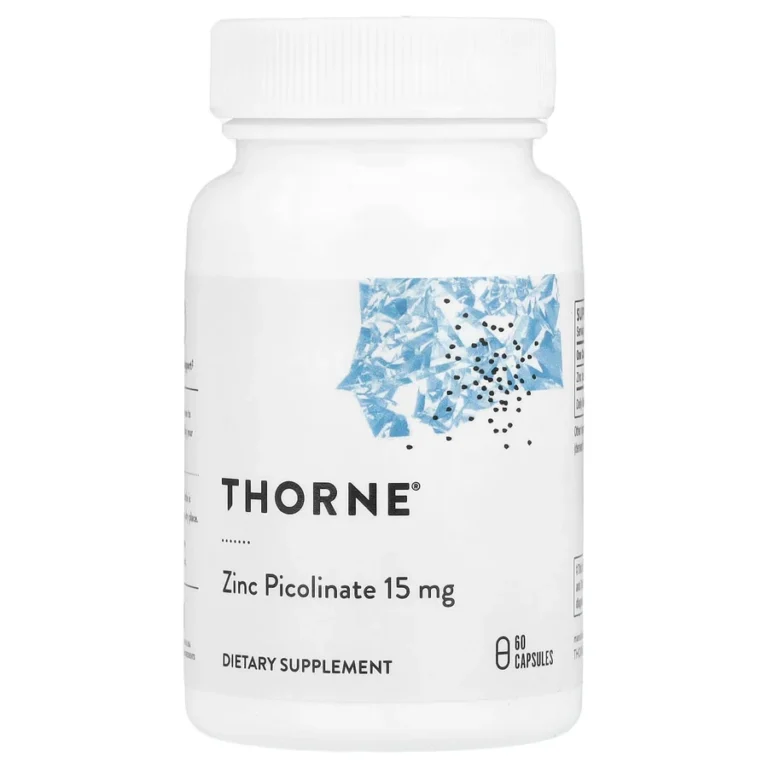 Capsules Thorne Zinc Picolinate 15 mg Elemental zinc 15 mg per label serving.
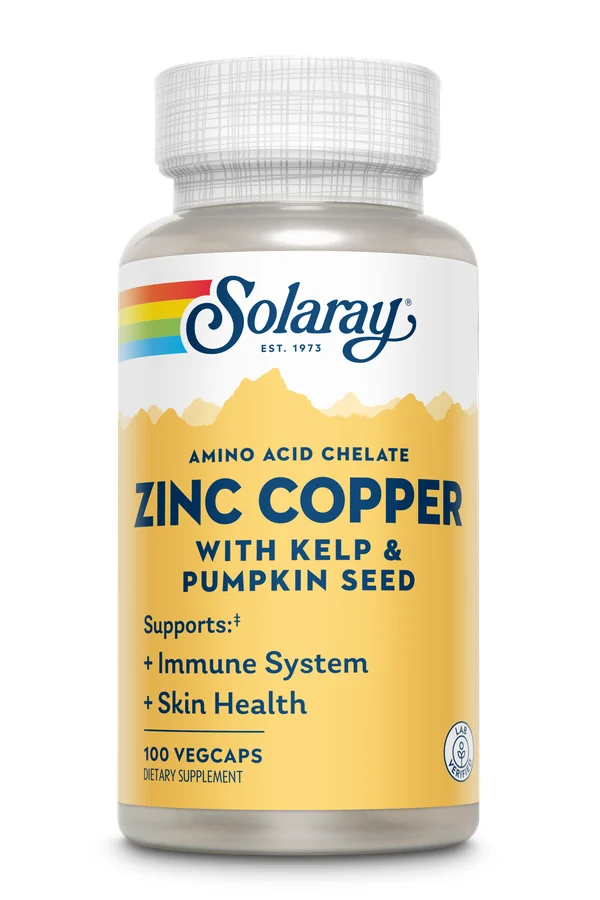 Capsules Solaray Zinc Copper with Kelp & Pumpkin Seed Zinc 50 mg; copper 2 mg; iodine 53 mcg; pumpkin seed 10 mg per label serving.
Broader shelf Browse the Products Hub Use this route if the zinc question is turning into a broader stack, label, or overlap decision across other products.
Capsules Solaray Zinc Copper with Kelp & Pumpkin Seed Zinc 50 mg; copper 2 mg; iodine 53 mcg; pumpkin seed 10 mg per label serving.
Broader shelf Browse the Products Hub Use this route if the zinc question is turning into a broader stack, label, or overlap decision across other products.
What zinc is
Zinc is an essential mineral. “Essential” means your body needs it and cannot make it on its own, so you have to get it from food or supplements. According to the NIH Office of Dietary Supplements, zinc is found in cells throughout the body.
The amount of zinc needed each day depends on age and sex. For adults, the NIH lists 11 mg per day for men and 8 mg per day for women.
Science in simple terms
Zinc helps many everyday body processes run normally. The NIH notes that it helps the immune system, helps make proteins and DNA, and helps wounds heal. That is why zinc shows up so often in supplement marketing.
Still, there is an important distinction: a nutrient can be essential without extra amounts helping everyone. If your intake is already adequate, taking more is not the same thing as unlocking extra immune power.
Why people take it
Most people take zinc supplements for one of three reasons: general nutrition support, concern about low intake, or broad “immune support” goals. The first two can make sense to review if someone has a higher chance of low zinc intake or status. The third is where marketing often gets ahead of nuance.
Zinc does support normal immune function. But that does not mean every person benefits from extra zinc every day. The NIH consumer guidance says most people in the United States get enough zinc, which is an important reality check when evaluating routine supplementation.
What the evidence says
The clearest point supported by the evidence here is that zinc is necessary for normal health. It plays recognized roles in immune function, protein and DNA production, and wound healing.
The more limited point is whether extra zinc is useful for everyone. Based on the NIH materials provided for this page, most people in the United States already get enough zinc. That means the case for routine supplementation is stronger when intake may be low, and weaker as a blanket strategy for the general population.
In practical terms, zinc is best understood as an essential nutrient with a real role in health, not as a universal shortcut for better immunity.
Strength of evidence
Strong: Zinc is essential, the body needs it for normal immune function and other core processes, and daily requirements and upper limits are established by major U.S. health authorities.
Also strong: Too much zinc can be harmful, and zinc can interact with certain medicines.
More limited for broad everyday use: The idea that extra zinc is useful for nearly everyone is not supported by the source notes used for this page, especially because most people in the United States already get enough.
Common supplement forms and what changes between them
Zinc supplements come in different product forms and formulations, but the most practical question for most buyers is not which name sounds best. It is how much zinc the serving provides, how that amount fits with your needs, and whether the product adds other ingredients you may also be taking.
Because products vary, label reading matters. Check the amount per serving and compare it with the adult recommended intakes and the 40 mg upper limit for adults. If you want help comparing products, see how to read a supplement label.
This is also where users can accidentally stack zinc from multiple products, such as a stand-alone supplement plus a multivitamin. Use the Multivitamin Overlap Map when zinc appears in a daily multi, immune formula, lozenge, or separate mineral product.
Timing and practical use notes
For zinc, the most important timing issue is often not morning versus night. It is whether you are taking medicines that can interact with it. The NIH notes interactions with quinolone antibiotics, tetracycline antibiotics, penicillamine, and thiazide diuretics.
If you use any of those medicines, do not guess about timing or spacing. Ask your pharmacist or clinician how to separate them safely. For general timing questions, see best time to take zinc.
Also pay attention to total daily intake. More is not automatically better, and the adult upper limit is 40 mg per day.
Who may benefit
The people most likely to benefit from reviewing zinc intake are those who may not be getting enough. The NIH identifies vegetarians and people with alcohol use disorder as groups more likely to have low zinc.
That does not mean everyone in these groups needs a supplement. It means they may have more reason than average to check diet, labels, and total intake with a clinician.
For the general U.S. population, the starting point is different: most people already get enough zinc.
Who should use caution
Use extra caution with zinc supplements if any of the following apply:
- You take certain medicines: Zinc can interact with quinolone antibiotics, tetracycline antibiotics, penicillamine, and thiazide diuretics.
- You are considering higher-dose or long-term use: Too much zinc can be harmful, and supplementation over time can lower copper levels.
- You already get zinc from multiple products: A multivitamin plus a separate zinc supplement can push intake higher than you realize. The Multivitamin Overlap Map is the best next step for duplicate checks.
- You have had stomach upset with zinc before: The NIH notes nausea and other stomach problems as possible harms from too much zinc.
If you want a fuller safety overview, see zinc side effects.
Can zinc on an empty stomach cause nausea?
Yes, it can. That is one of the most common real-world complaints with zinc supplements and one reason the timing question matters more for zinc than for some other minerals.
If zinc keeps making you feel sick, do not keep forcing the routine just because the front label made it sound simple. The dose, the product, and whether you need zinc at all may all deserve a second look.
Do zinc lozenges really help with colds?
This is one of the biggest reasons zinc stays popular. But a general zinc supplement page should not flatten all zinc products into one answer. Lozenges for cold-duration questions are a different conversation than long-term daily zinc use.
If that is the only reason zinc is on your radar, be careful not to assume that any zinc product on the shelf answers the same question equally well.
Do you need copper if you take zinc daily?
That question becomes more important as zinc doses get higher or the routine gets longer. Zinc and copper do not belong to completely separate conversations, which is why high-dose zinc should not be treated like an endless everyday default.
If you are already looking at a zinc product with copper added, or wondering whether to add copper separately, that usually means you are already in the part of the decision that deserves more caution.
What users often get wrong
- “Essential” means “more is better.” It does not. Essential means you need enough, not that extra amounts help everyone.
- “Immune support” means broad benefit for all users. Zinc supports normal immune function, but that is different from saying routine extra zinc is useful for nearly everyone.
- Forgetting that most U.S. adults already get enough. This is one of the biggest reasons zinc claims get overgeneralized.
- Ignoring total intake. Zinc can come from more than one product, and the adult upper limit is 40 mg per day.
- Missing interaction risks. Zinc can interfere with some medicines, especially certain antibiotics and penicillamine.
- Thinking all supplement decisions are about the ingredient alone. Dose, label clarity, and what else you take matter just as much.
When to talk to a clinician
It is worth getting individual advice if you think your intake may be low, you belong to a higher-risk group, you plan to take zinc regularly, or you use medicines that can interact with zinc.
You should also ask for guidance if you are unsure whether your total daily intake is appropriate, or if you have had nausea or other stomach problems with zinc products.
For a broader guide to deciding when professional input makes sense, see when to talk to a clinician.
Current product pages worth comparing
Our live zinc product coverage already shows two different buying paths: a simpler moderate-dose single-mineral product versus a higher-dose combo formula that changes the copper and total-intake conversation.
- Thorne Zinc Picolinate 15 mg is the better starting point when you want a moderate-dose, lower-complexity zinc routine.
- Solaray Zinc Copper with Kelp & Pumpkin Seed is useful when the real decision is whether a zinc-plus-copper formula solves a real need or just adds unnecessary complexity.
If you want the broader brand patterns first, see Thorne and Solaray. For every live product analysis, browse the products hub.
Compare specific product labels:
- PreserVision AREDS 2 Mini Soft Gels: A specific AMD-oriented AREDS2 formula, not a general eye vitamin; the photographed daily dose is two mini gels.
- Nature's Way Sambucus Elderberry Immune Gummies: An elderberry gummy with added C, D3, zinc and sugar; separate extract amount from fresh-fruit equivalence.
FAQ
What does zinc do in the body?
Zinc is found in cells throughout the body and helps the immune system, helps make proteins and DNA, and helps wounds heal.
Do most people need a zinc supplement?
Not necessarily. The NIH says most people in the United States get enough zinc.
How much zinc do adults need per day?
According to the NIH Office of Dietary Supplements, the recommended dietary allowance is 11 mg per day for adult men and 8 mg per day for adult women.
What is the upper limit for zinc?
The adult upper limit is 40 mg per day. Going above that can raise the risk of harm.
Can too much zinc cause side effects?
Yes. The NIH notes that too much zinc can be harmful and can cause nausea and other stomach problems. Over time, zinc supplementation can also lower copper levels.
Does zinc interact with antibiotics?
Yes. The NIH says zinc supplements can interact with quinolone antibiotics and tetracycline antibiotics. They can also interact with penicillamine and thiazide diuretics.
Who is more likely to have low zinc?
The NIH identifies vegetarians and people with alcohol use disorder as groups more likely to have low zinc.
Update Note
Last reviewed and updated on October 2, 2026. Added follow-up guidance on nausea with empty-stomach dosing, cold-lozenge expectations, and when copper enters the zinc conversation.
Editorial information
Reviewed for Trust
- Publisher: Supplement Explained Editorial Team
- Review model: Editorial evidence review; clinician review is shown only when a named clinician is listed.
- Last reviewed: October 2, 2026
- Last updated: October 2, 2026
- Editorial Policy | How We Review Evidence | Research Process | Disclaimer
- Use: Informational only. Not personal medical advice.