
Brand review
Is Solaray a Good Supplement Brand?
Solaray should be evaluated formula by formula. Its published testing policy is useful background, but in-house testing, manufacturing certification and an independent report for your batch are different kinds of evidence. Start with the dose and format you need; a quality claim cannot make an unsuitable dose appropriate.
Reviewed products from this brand
Each review checks its own label and evidence. Brand-wide claims do not certify every product.
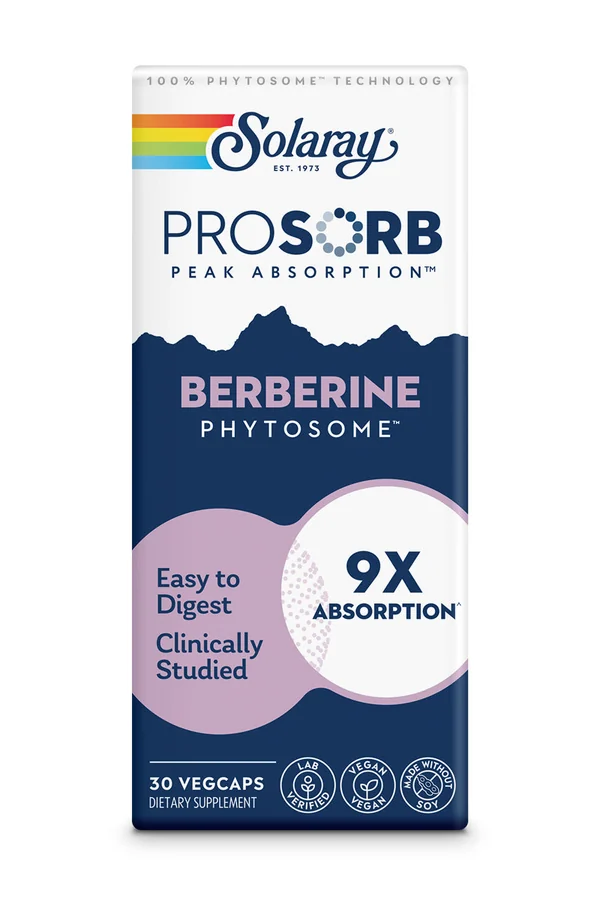
Solaray Berberine Phytosome 550 mg
BerbeVis complex 550 mg, standardized to 30% berberine HCl (165 mg) per label serving.
Berberine Phytosome · 30 capsules
Supplement Explained Score 60/100
Read the review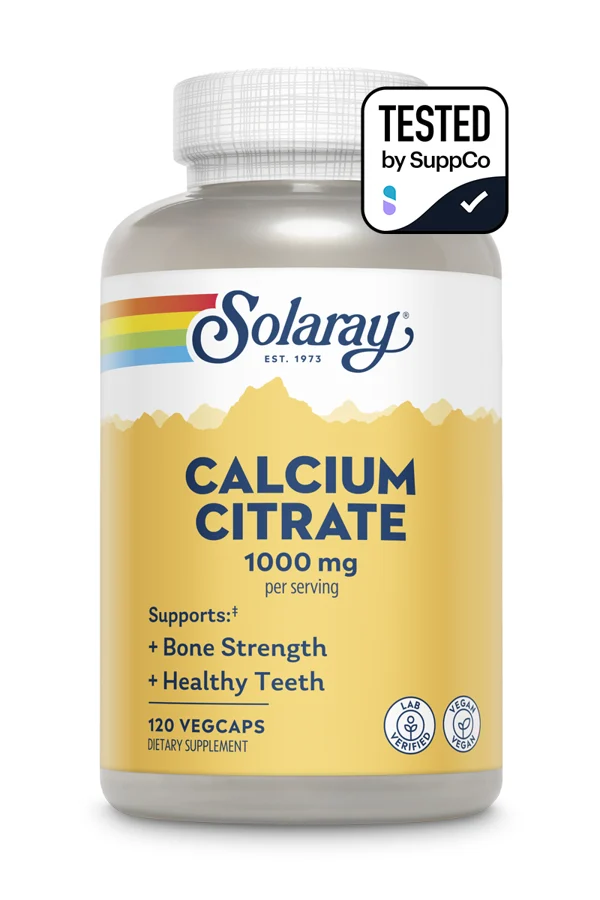
Solaray Calcium Citrate 1000 mg
Elemental calcium 1,000 mg; citrate (85%) + carbonate per label serving.
Calcium Citrate · 120 capsules
Supplement Explained Score 60/100
Read the review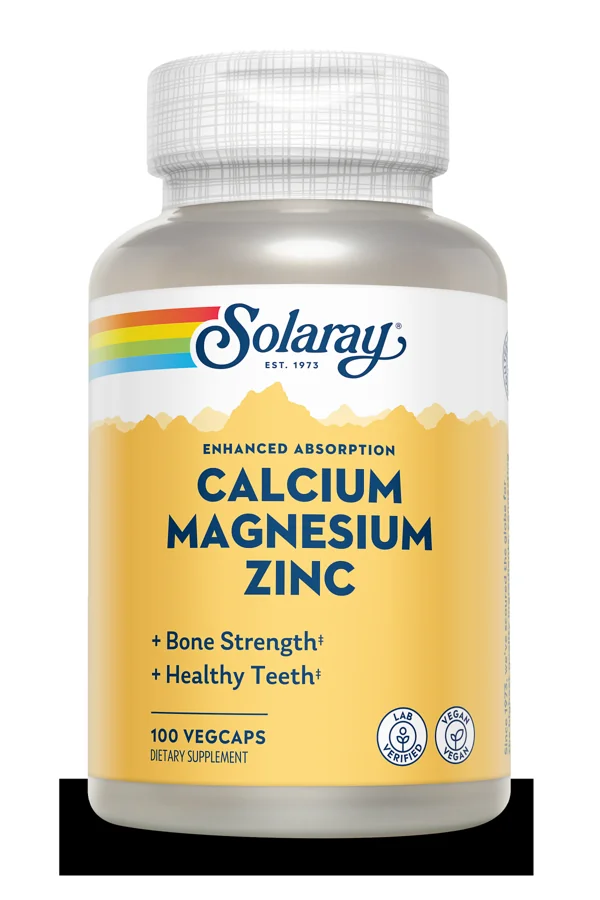
Solaray Calcium, Magnesium, Zinc
Calcium 1,000 mg; magnesium 500 mg; zinc 25 mg per label serving.
Calcium Magnesium Zinc · 100 VegCaps
Supplement Explained Score 64/100
Read the review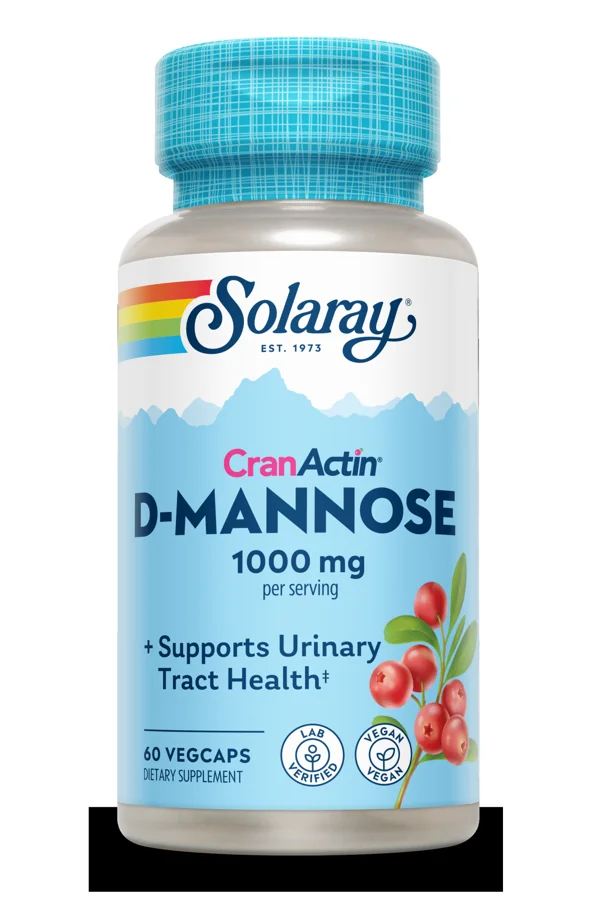
Solaray D-Mannose with CranActin 1000 mg
D-mannose 1,000 mg; cranberry extract 400 mg; C 30 mg per label serving.
D-Mannose with CranActin · 60 VegCaps
Supplement Explained Score 52/100
Read the review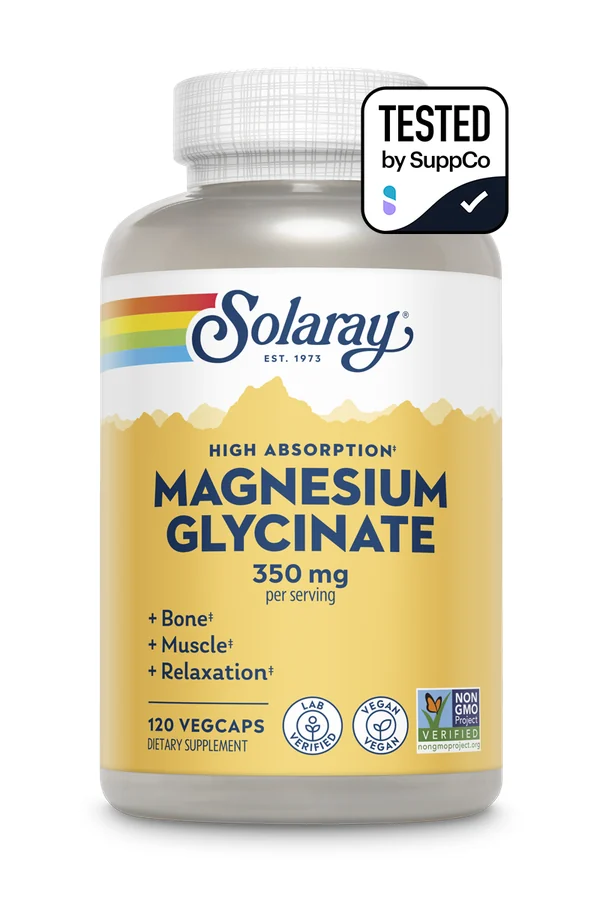
Solaray High Absorption Magnesium Glycinate 120 VegCaps
Elemental magnesium 350 mg; BioPerine black-pepper extract 5 mg per label serving.
Magnesium Glycinate 350 mg · 120 VegCaps
Supplement Explained Score 68/100
Read the review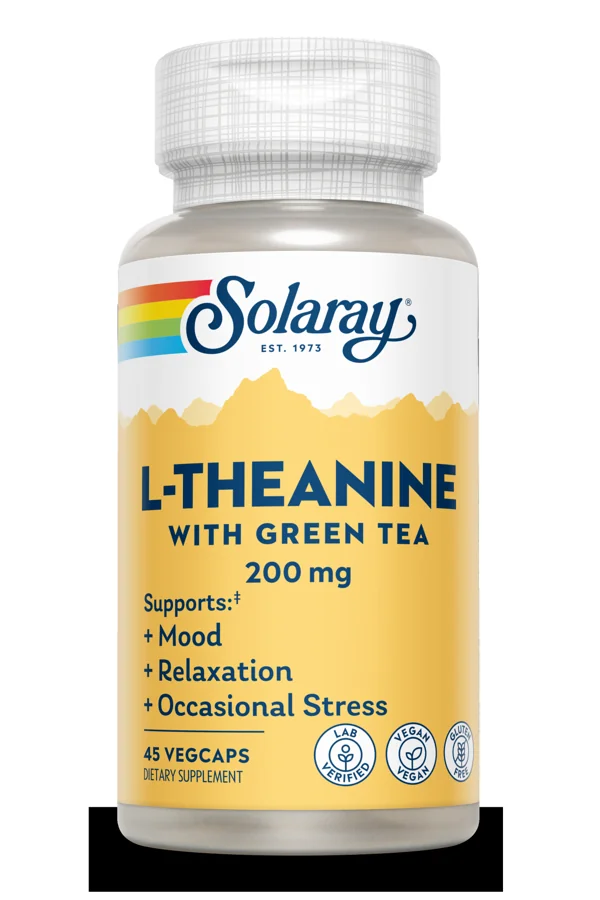
Solaray L-Theanine 200 mg
L-theanine 200 mg; green tea leaf 100 mg per label serving.
L-Theanine 200 mg · linked 45 VegCaps
Supplement Explained Score 60/100
Read the review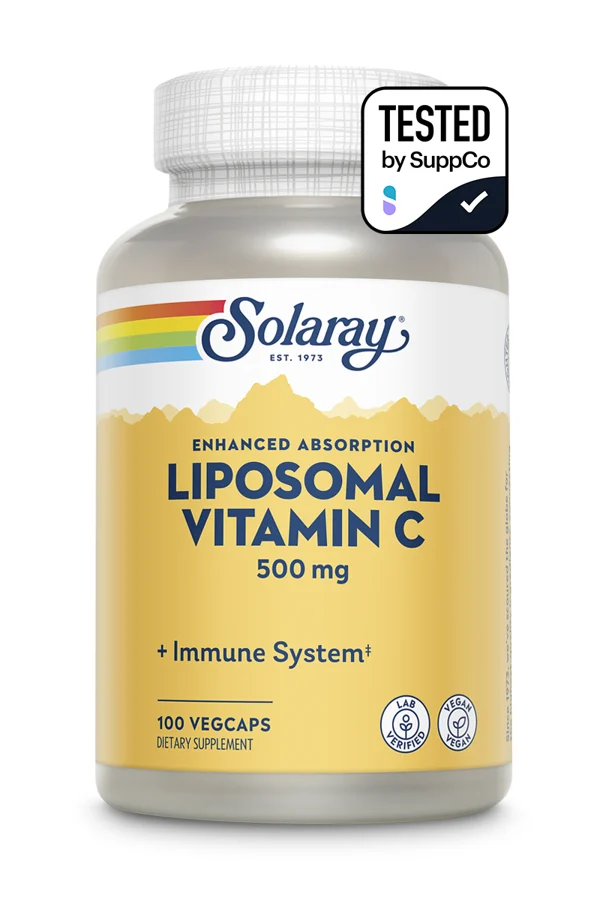
Solaray Liposomal Vitamin C 500 mg
C 500 mg; liposomal carrier blend 241 mg per label serving.
Liposomal Vitamin C 500 mg · 100 capsules
Supplement Explained Score 60/100
Read the review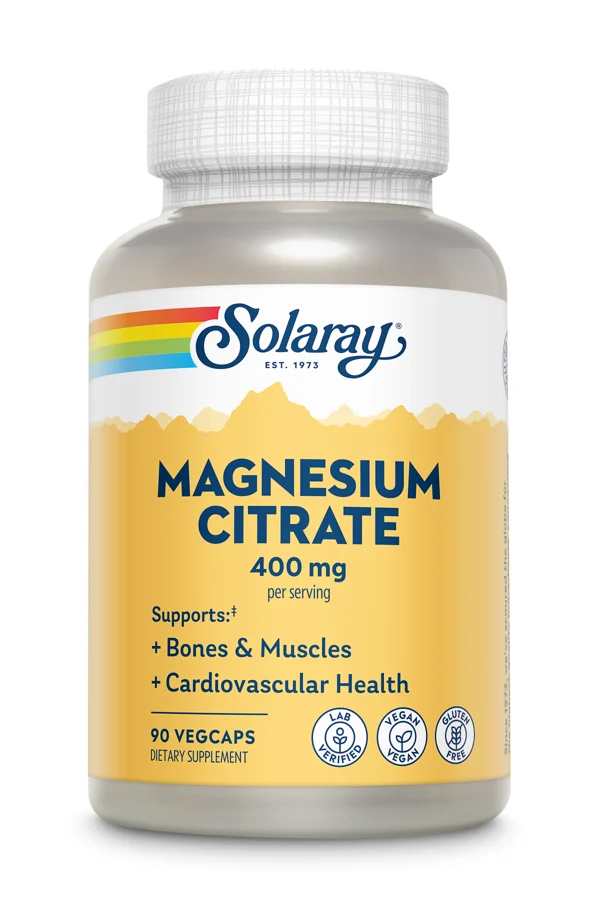
Solaray Magnesium Citrate 400 mg
Elemental magnesium 400 mg per label serving.
Magnesium Citrate · 90 vegetarian capsules
Supplement Explained Score 68/100
Read the review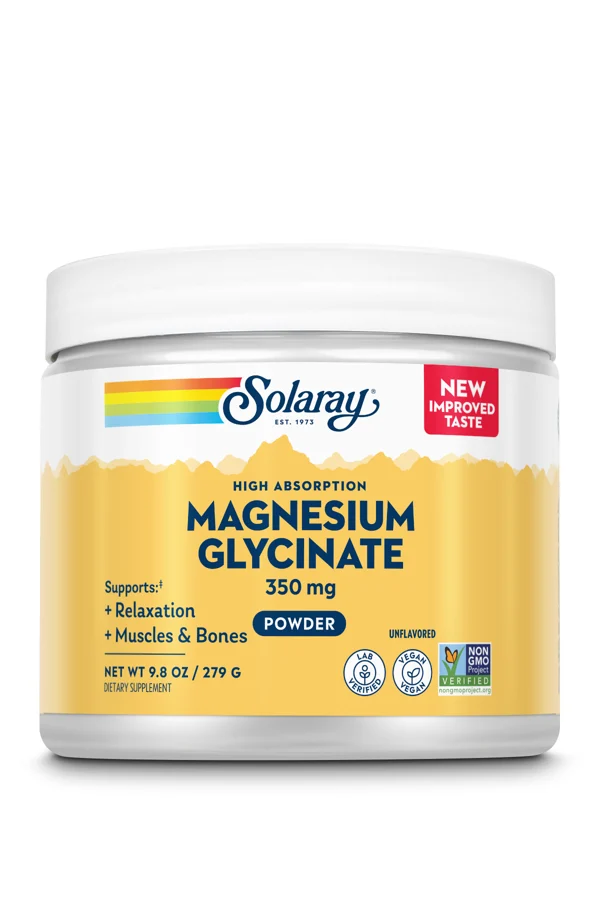
Solaray Magnesium Glycinate Powder
Elemental magnesium 350 mg per label serving.
Magnesium Glycinate Powder · 9.8 oz
Supplement Explained Score 68/100
Read the review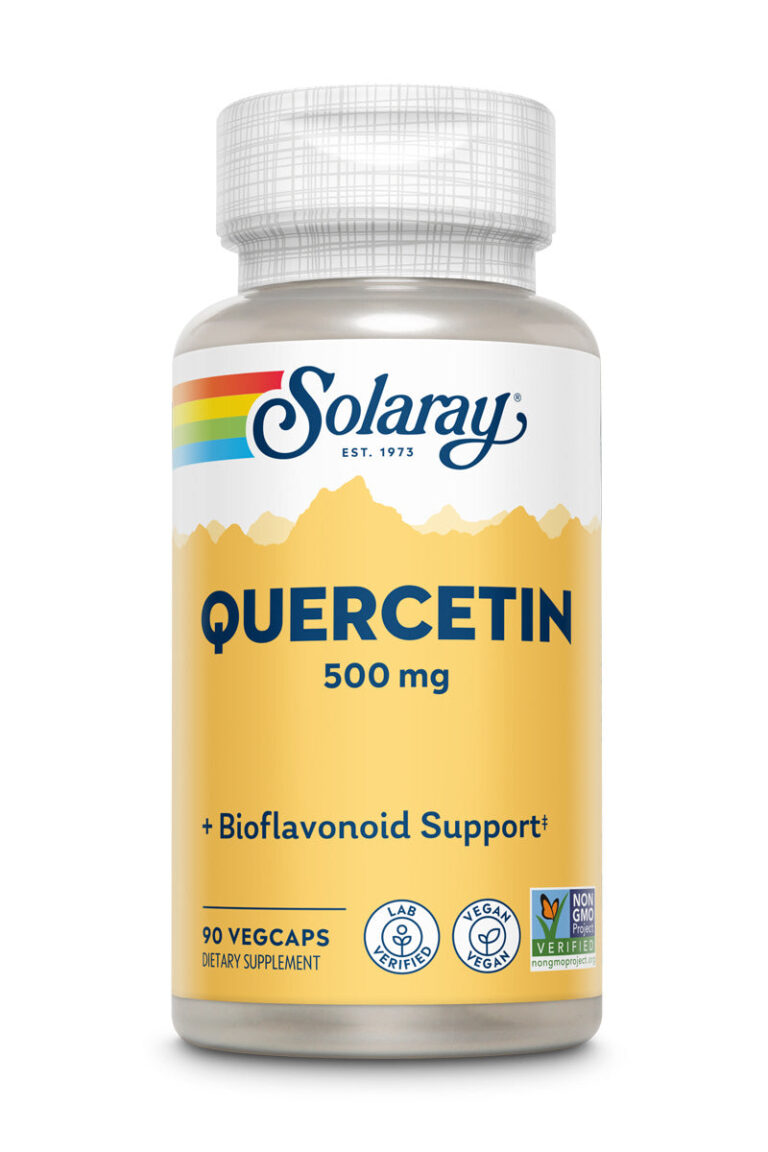
Solaray Quercetin 500 mg
Quercetin 500 mg per label serving.
Quercetin 500 mg · 90 capsules
Supplement Explained Score 60/100
Read the review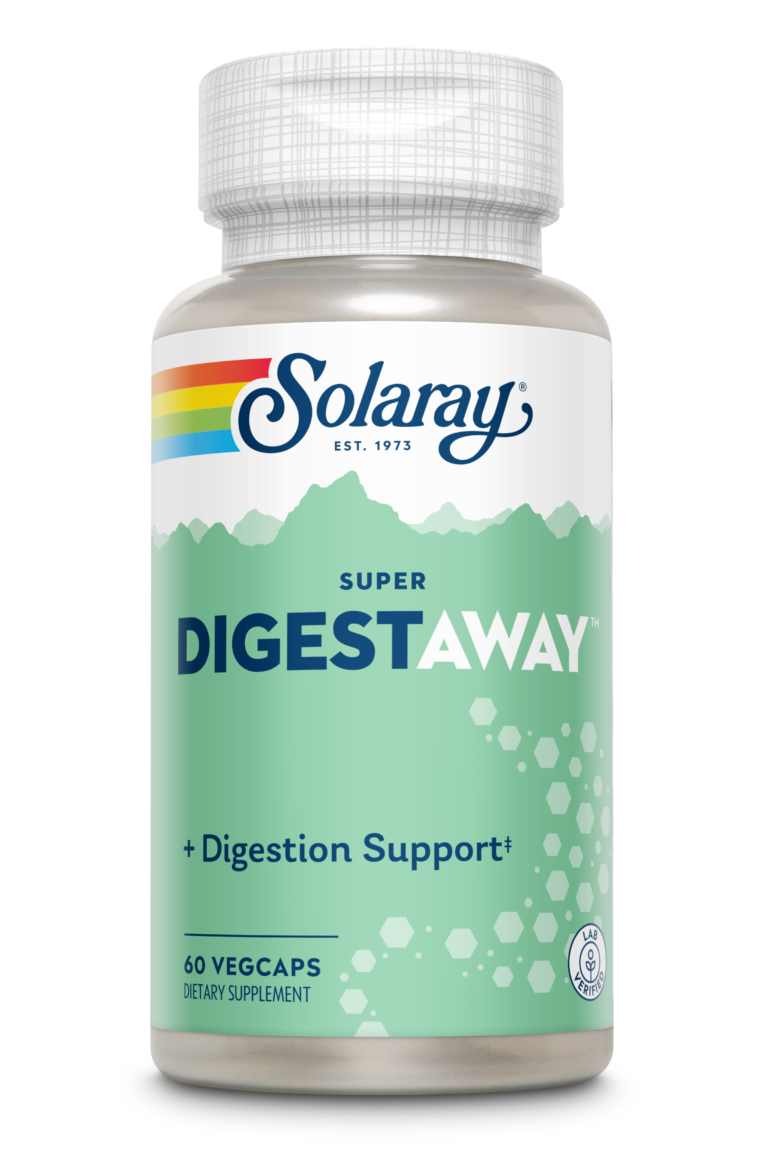
Solaray Super Digestaway
Pancreatin 175 mg; porcine bile 100 mg; papain 50 mg; pepsin 40 mg per label serving.
Super DigestAway · 60 capsules
Supplement Explained Score 48/100
Read the review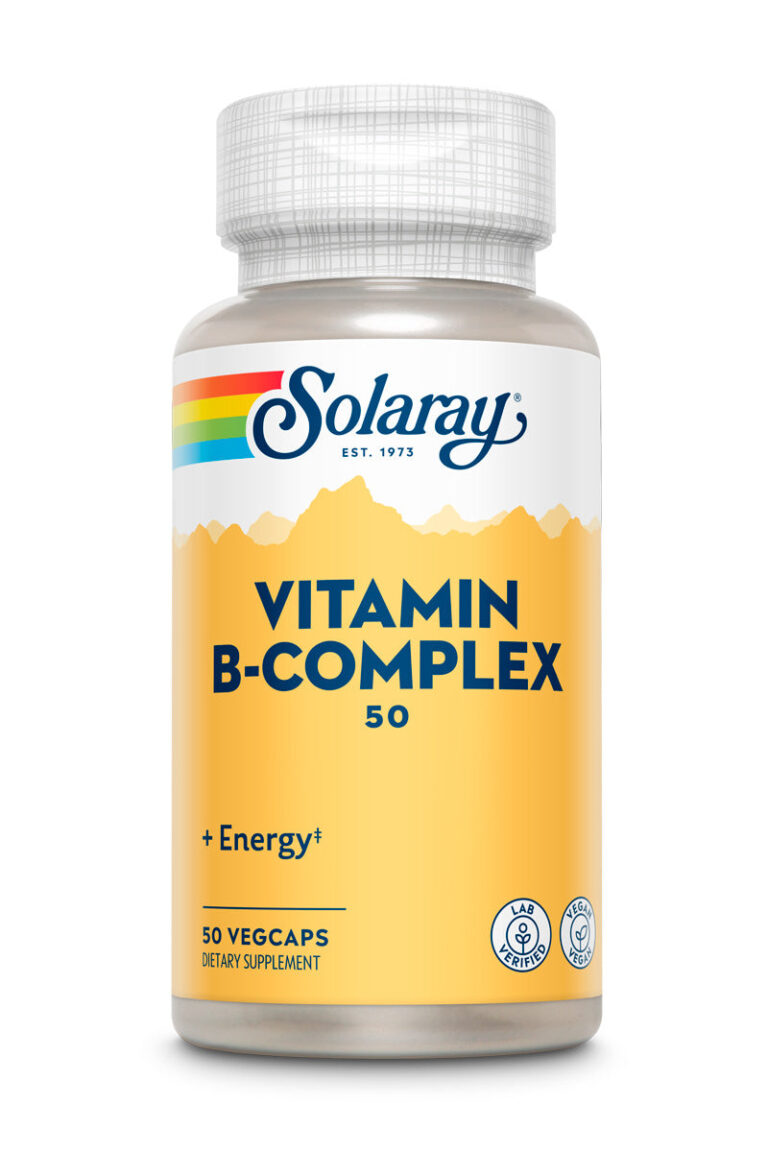
Solaray Vitamin B-Complex 50
B6 50 mg; B12 50 mcg; folate 680 mcg DFE (400 mcg folic acid) per label serving.
Vitamin B-Complex 50 · reviewed 50 capsules
Supplement Explained Score 56/100
Read the review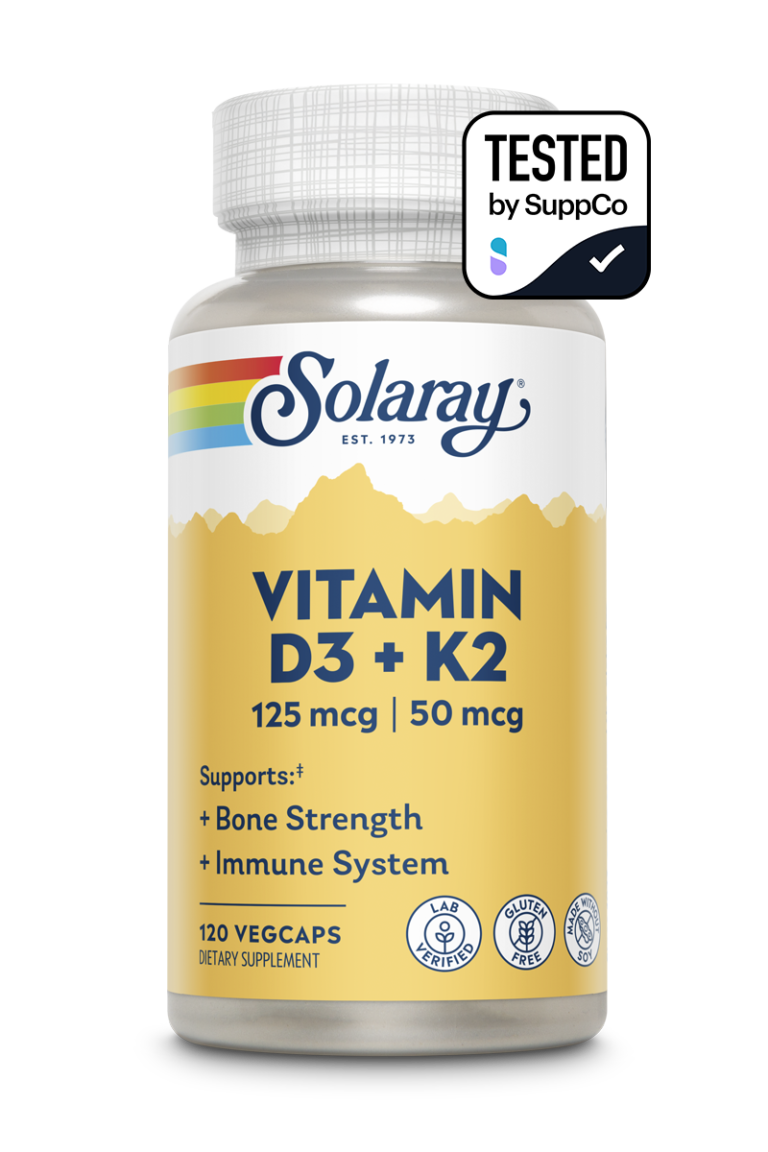
Solaray Vitamin D3 + K2
D3 125 mcg (5,000 IU); K2 MK-7 50 mcg; calcium 110 mg; phosphorus 85 mg per label serving.
D3 + K2 · reviewed 120 capsules
Supplement Explained Score 68/100
Read the review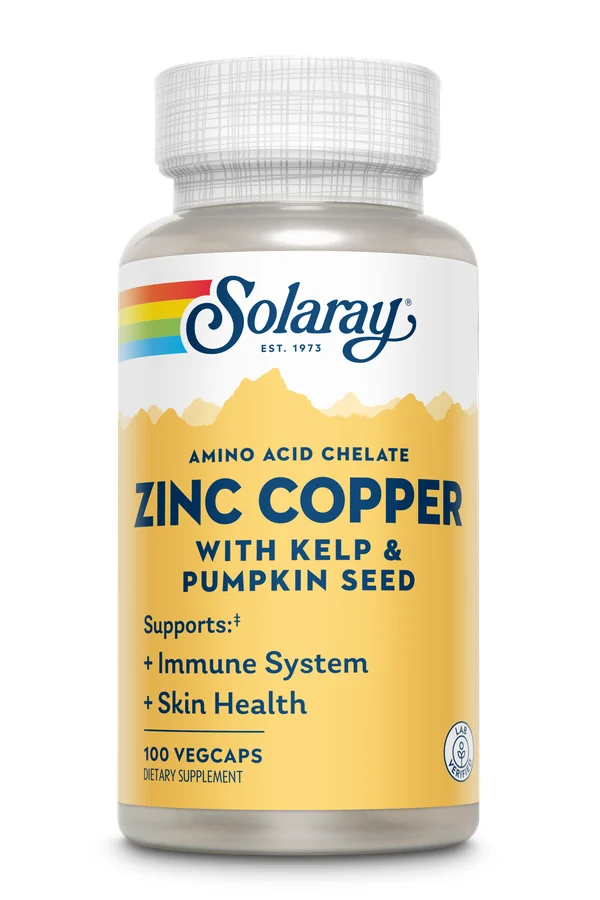
Solaray Zinc Copper with Kelp & Pumpkin Seed
Zinc 50 mg; copper 2 mg; iodine 53 mcg; pumpkin seed 10 mg per label serving.
Zinc Copper · 100 capsules
Supplement Explained Score 64/100
Read the reviewOn this page
The most useful starting point is the exact formula you are considering. Solaray’s magnesium powder, magnesium capsules, calcium blend, and high-dose zinc product have very different advantages and limitations. Here is how to separate them before paying for a bottle.
Choose the formula before choosing the brand
| Your priority | Solaray option to examine | Important limitation |
|---|---|---|
| A magnesium powder without an added sweetener | Magnesium Glycinate Powder: 350 mg per rounded scoop | Requires measuring and mixing; includes citric acid |
| Magnesium in capsules | Magnesium Glycinate 120 VegCaps: 350 mg per four capsules | Four-capsule serving; includes 5 mg BioPerine |
| Calcium without added vitamin D | Calcium Citrate: 1,000 mg per four capsules | Contains both citrate and carbonate; not citrate-only |
| Vitamin C in one capsule | Liposomal Vitamin C: 500 mg per capsule | A lipid delivery system is not proof of superior health outcomes |
| Zinc combined with copper | Zinc Copper: 50 mg zinc and 2 mg copper | Zinc alone exceeds the US adult upper limit for routine total intake |
These are label-based distinctions, not rankings of clinical effectiveness. The amounts come from the corresponding US labels. The zinc limit refers to total intake from food, supplements, and other sources; medically supervised treatment is a separate situation. [2] [3] [4] [5] [6] [7]
Two other formulas deserve different checks: B-Complex 50 has a high B6 amount, while Super Digestaway contains porcine bile and has conflicting lactose information. Read those details before choosing either bottle.
What Solaray’s testing statements actually establish
Solaray says it tests incoming raw-material batches rather than relying only on supplier certificates, and describes testing during its manufacturing process. Those are company-reported controls. They are useful information about the intended process, but they do not give a shopper the numerical contaminant results for a particular bottle. [1]
Solaray currently reports up to 15,000 tests per month and more than 580 protocols, with volumes varying by inventory. These are manufacturer-reported figures, not results for your bottle. Its NSF/ANSI 455-2 facility claim is not the same as an exact-product Certified for Sport listing. [1]
| Evidence you see | What it can help establish | What it does not establish by itself |
|---|---|---|
| A supplier certificate of analysis | Reported identity or specifications for a supplied ingredient | Independent testing of the finished retail product |
| A manufacturer’s laboratory testing policy | The company’s stated approach to testing | That you have seen the results for your lot |
| Facility GMP certification | Assessment of manufacturing processes within the certification’s scope | Sport certification or clinical effectiveness of every SKU |
| Laboratory accreditation or certification | Competence or compliance within the named laboratory scope | A blanket endorsement of all products tested there |
| An exact-product certification listing | That the named product is covered by that program | Coverage of other products, sizes, markets, or unlisted formulations |
| A batch-specific report | Results associated with the identified batch and stated tests | Results for every other batch or outcomes in people |
This is a framework for reading evidence, not a claim that Solaray publicly provides all six types for every product. Its policy itself distinguishes in-house work from outside testing; “third-party tested” should not be expanded into “every Solaray supplement is independently certified.” [1]
Is Solaray NSF Certified for Sport?
Do not convert a facility-quality statement into that product certification. For comparison, the NSF Certified for Sport database has a specific listing for Thorne Magnesium Bisglycinate powder, with a named product, serving information, and listed lots. That is the kind of exact record an athlete should check rather than relying on a brand-wide badge. We have not established equivalent coverage for every Solaray product discussed here. [8]
The label differences that matter more than a brand score
Capsules and powder are not interchangeable packages
The reviewed Solaray magnesium capsules provide 350 mg across four capsules and add BioPerine. The powder provides the same declared magnesium amount in a 5.57 g rounded scoop, with citric acid as its other ingredient. Someone avoiding black-pepper extract has a concrete reason to consider the powder. Someone who needs a portable, premeasured unit may prefer capsules. Neither choice establishes better sleep or better absorption. [3] [2]
“Calcium citrate” does not always mean citrate-only
The Solaray label identifies citrate and carbonate as calcium sources. A shopper whose priority is exclusively calcium citrate should compare that blend with an actual citrate-only label, such as Pure Encapsulations Calcium Citrate, rather than treating the front product name as the full ingredient specification. [4] [9]
High potency can be a reason to skip a product
Solaray Zinc Copper contains 50 mg zinc per capsule. The copper does not erase the need to assess that zinc amount. Its reviewed D3/K2 formula provides 5,000 IU vitamin D3 per capsule, above the US adult upper limit of 4,000 IU for routine total intake. These can be important label facts for a clinician-directed plan, but they are not advantages for every shopper. [6] [7] [10] [11]
How to compare value without rewarding bigger numbers
First match the bottle size, serving size, ingredient amount, and seller. Then calculate a price for the same quantity of the ingredient. A cheaper bottle may have fewer servings; a larger serving may simply require more capsules.
For example, the reviewed magnesium powder had 50 servings and a displayed one-time price of $26.99 on September 27, 2026. That is about $0.54 per labeled serving. It is not evidence that you should take a full serving daily, and it does not include tax or shipping. When a product page mixes several bottle sizes without a clear price match, a price comparison should wait rather than borrow the cheapest number. [12]
What to ask when a quality claim is important to you
Ask for information tied to the product name, US formula, bottle size, and lot number. A useful request is: “Can you provide the current Supplement Facts and a finished-product report for this lot, including the tests performed, laboratory, date, and specifications?” For a certification, request the issuing organization’s exact listing—not just a badge image.
A missing public report is not proof that testing did not happen. It means the evidence available to you is more limited. Likewise, a detailed report should be read for its actual scope rather than treated as a medical endorsement.
Who should consider another option?
A different product may fit better when you need fewer capsules, a lower amount per unit, no black-pepper extract, citrate-only calcium, or an independently verified sport listing. Those are specific reasons; “premium,” “clean,” and “strongest” are not substitutes for checking the label.
For Solaray itself, the strongest buying case is a verified formula that meets an actual preference at a defensible price. The weakest case is purchasing several high-potency products because the brand’s general quality story sounds reassuring. Start with the ingredient and amount you need, then decide whether this particular bottle fits.
Looking for a single-active quercetin product? Our Solaray Quercetin 500 mg review distinguishes the plain capsule from similarly named blends.
Related reading
For the four-capsule serving and BioPerine details, see our Solaray 120-capsule magnesium glycinate review.
For the rounded scoop, ingredient list, and price calculation, see our Solaray magnesium glycinate powder review.
For the four-capsule calcium panel and unresolved directions, see our Solaray calcium citrate label review.
More product reviews
- Solaray L-Theanine 200 mg: 200 mg L-theanine plus 100 mg green tea leaf per VegCap; caffeine is not declared.
- Solaray D-Mannose with CranActin 1000 mg: 1,000 mg D-mannose and 400 mg cranberry extract per two capsules; prevention benefit is not established for this blend.
- Solaray Calcium, Magnesium, Zinc: Four capsules: 1,000 mg calcium, 500 mg magnesium and 25 mg zinc; check overlap and tolerance first.
FAQ
Is Solaray a good supplement brand?
Its published testing policy is useful background, but the exact ingredient, amount and product-specific evidence should decide the purchase. A quality claim cannot make an unsuitable formula appropriate.
Is Solaray independently tested?
Solaray describes in-house controls and outside quality assessment. Those statements do not establish that every retail product has an independent finished-batch report available to shoppers.
Is Solaray’s magnesium powder the same as its capsules?
No. The reviewed powder uses a rounded scoop and citric acid; the 120-capsule formula uses four capsules and adds BioPerine. Compare the actual Supplement Facts, not just the magnesium name.
Does a facility certificate mean NSF Certified for Sport?
No. A manufacturing facility certificate and an exact-product sport listing have different scopes. Check the named product and listed lots in the sport database if that certification matters.
Have you tested Solaray products yourself?
No. This review uses public labels and documents. It does not report our own clinical trial, laboratory testing or hands-on experience.
References
- Solaray quality and testing policy.
- Solaray Magnesium Glycinate Powder: Supplement Facts.
- Solaray Magnesium Glycinate: 120-capsule Supplement Facts.
- Solaray Calcium Citrate: 120-capsule label.
- Solaray Liposomal Vitamin C: Supplement Facts.
- Solaray Zinc Copper: Supplement Facts.
- NIH ODS: Zinc, Consumer Fact Sheet.
- NSF Certified for Sport: Thorne Magnesium Bisglycinate.
- Pure Calcium Citrate: 60-capsule label.
- Solaray D3 + K2: 120-capsule label.
- NIH ODS: Vitamin D, Health Professional Fact Sheet.
- Solaray Magnesium Glycinate Powder.
Update: October 6, 2026. Current quality-policy claims and the capsule retailer match checked; duplicate shopping panels removed and existing label analysis retained. Earlier dated price examples are not current offers. Editorial policy.