
Berberine supplement
Quick answer
Berberine is a plant compound found in some herbs. People often consider it for blood-sugar-support or broader metabolic goals, but it is not a simple yes-or-no supplement.
- What matters most: your reason for taking it, your current medicines, and how well your stomach tolerates supplements.
- Practical concerns: stomach upset and medicine interactions are among the most important issues to understand before starting.
- Best next step: if you take prescription medicines or have a health condition, check in before using it.
- Timing: many shoppers want to know whether to take berberine with food; the answer depends on the product and your tolerance. See berberine before or after meals.
Berberine is often marketed for metabolic and blood-sugar-related goals, but the smart buying question is not only whether it might help. It is whether it fits your goal, your medicine list, and your tolerance for side effects. This guide keeps the evidence language cautious and focuses on practical safety questions before you buy.
If you are comparing options, you can also browse our broader supplements guide library.
On this pageTable of Contents
- 1What berberine is
- 2Science in simple terms
- 3Why people take berberine
- 4What the evidence says
- 5Strength of evidence
- 6Timing and dosage context
- 7How does berberine affect blood sugar levels?
- 8How much berberine should you take daily?
- 9Is berberine safe for long-term use?
- 10Side effects
- 11Interactions and cautions
- 12Who may benefit
- 13Who should use caution
- 14FAQ
Featured Product Routes
If berberine already looks relevant, the next click should usually be formula style: premium dual-form complexity or a phytosome-centered label with a different value story.
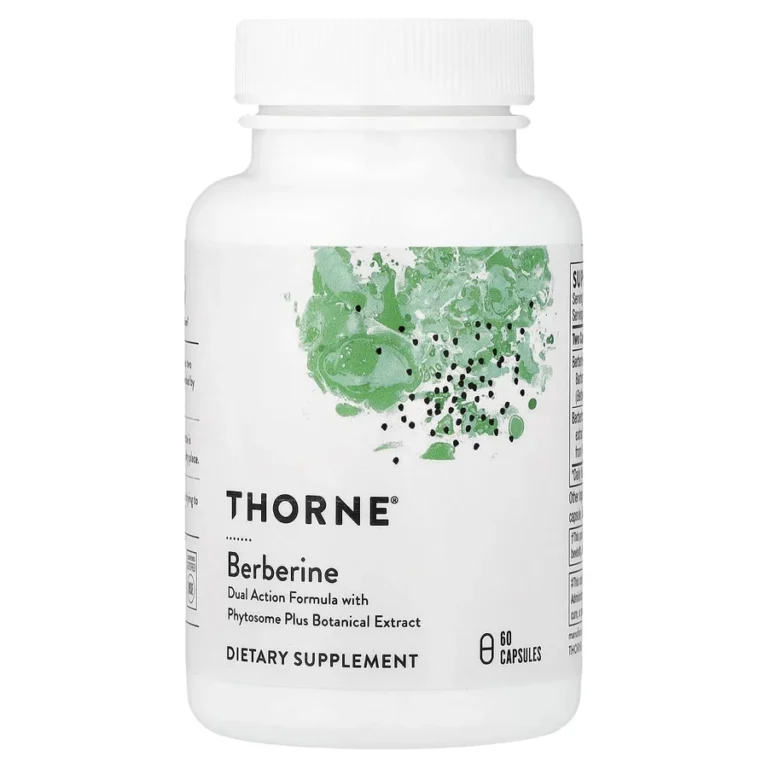 Capsules Thorne Berberine Berberine HCl 450 mg + berberine phytosome complex 550 mg per label serving.
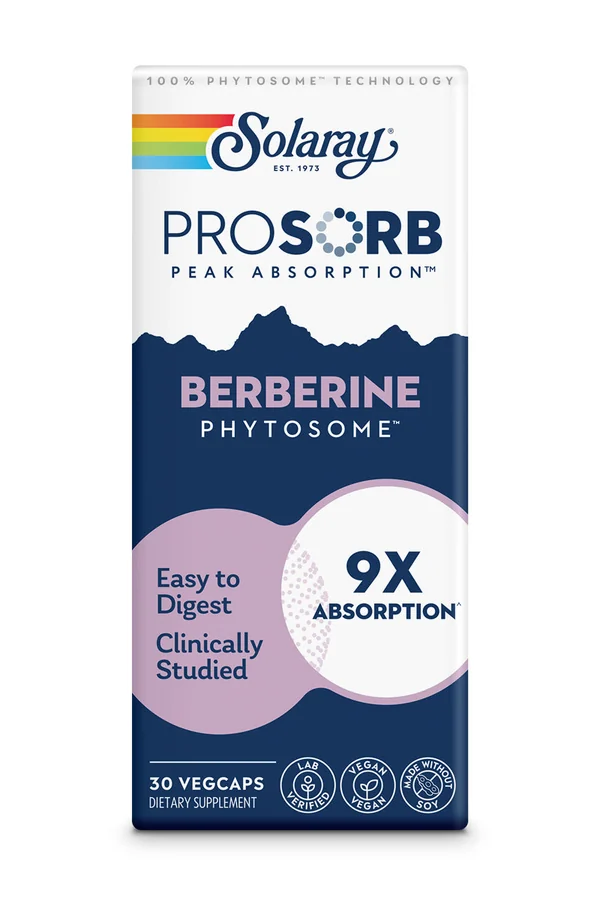 Capsules Solaray Berberine Phytosome 550 mg BerbeVis complex 550 mg, standardized to 30% berberine HCl (165 mg) per label serving.
Broader shelf Browse the Products Hub Use this when the real question is no longer one berberine bottle, but how the product compares with nearby categories and routines.
Capsules Solaray Berberine Phytosome 550 mg BerbeVis complex 550 mg, standardized to 30% berberine HCl (165 mg) per label serving.
Broader shelf Browse the Products Hub Use this when the real question is no longer one berberine bottle, but how the product compares with nearby categories and routines.
What berberine is
Berberine is a naturally occurring compound found in several plants. NCCIH notes that goldenseal contains berberine. In supplement form, berberine is usually sold as a capsule or tablet and is commonly promoted for metabolic wellness.
That marketing can make it sound more straightforward than it is. Different products may vary, and a supplement that sounds promising on a label may still be a poor fit for someone with a sensitive stomach or a long medication list.
Science in simple terms
The basic idea behind berberine is that it may influence pathways related to how the body handles energy and blood sugar. That is why it is commonly discussed in the context of metabolic goals.
But “may influence” is not the same as “works the same way for everyone.” Real-world response can depend on the person, the product, the reason for using it, and whether side effects or interactions limit use.
Why people take berberine
Most people shopping for berberine are not looking for a general wellness capsule. They usually have a specific goal in mind, most often related to blood sugar or metabolic support. If that is your main interest, our guide to blood sugar support can help you compare the bigger picture.
Some users are also drawn to berberine because it is plant-derived. That can be appealing, but “natural” does not mean risk-free or automatically compatible with medicines.
What the evidence says
Berberine is widely marketed for metabolic and blood-sugar-related goals, but the evidence should be viewed cautiously. It is more accurate to say that berberine is of interest for these goals than to treat it as a proven answer for everyone.
For most shoppers, the useful question is not simply “does berberine work?” The more practical question is whether it makes sense for your goal, whether the potential downsides are acceptable, and whether it fits safely with the medicines or supplements you already use.
Strength of evidence
Overall: cautious and limited for decision-making at the individual level.
The marketing around berberine is often stronger than the certainty a careful reader should take from the evidence. If you are choosing among several supplement options, berberine may be worth discussing, but it should not be treated as a one-size-fits-all solution.
In practical terms, the evidence is strong enough to generate interest, but not strong enough to ignore side effects, interactions, or the need for individualized advice.
Timing and dosage context
Timing is one of the first questions shoppers ask, especially around meals. Because stomach side effects are a common concern, many people focus on whether taking berberine with food may be easier to tolerate. The right approach depends on the product directions and your own response.
If timing is your main question, read our guide on taking berberine before or after meals.
For dosage, the safest rule is simple: do not guess, do not combine multiple berberine products casually, and do not assume more is better. Follow the label unless a clinician gives you different instructions.
How does berberine affect blood sugar levels?
This is the main reason most people look at berberine. The careful version is that berberine has been studied for blood-sugar-related goals, but that is not the same as saying it works like a prescription drug for every person or that it is safe to layer onto diabetes medicine without checking first.
That is why “does berberine lower blood sugar?” is not really a yes-or-no shopping question. The more practical question is whether your goal is clear, whether your meds change the risk, and whether you are prepared to track how you actually respond.
How much berberine should you take daily?
There is no one daily amount that is right for everyone, and berberine is not a great supplement to freestyle. Product directions differ, goals differ, and the margin for sloppy trial-and-error gets smaller if you already take prescription drugs.
A better rule is to avoid stacking multiple berberine products, stop treating “more” like “better,” and let your actual goal and medicine list set the level of caution.
Is berberine safe for long-term use?
Longer-term use is one of the places where confidence drops. A product can look worth considering for a short metabolic goal window and still be a poor fit for open-ended self-treatment, especially if stomach side effects or medication questions are already in the picture.
If you are thinking in terms of “Can I just stay on berberine indefinitely?” that is usually a sign to step back and look at the bigger plan instead of making it a background habit.
Side effects
The most practical side effects to know about are digestive. For many users, stomach tolerance is the main factor that decides whether berberine feels manageable or not.
If you tend to react strongly to supplements, start with caution and do not ignore symptoms that keep recurring. A detailed overview is here: berberine side effects.
Interactions and cautions
This is where berberine deserves the most respect. NCCIH notes that berberine-containing products can interact with certain medicines and are not appropriate for everyone. MedlinePlus also supports careful supplement use and clear communication about side effects and interactions.
That means berberine is not a good “add to cart and figure it out later” supplement if you take prescription drugs, use several supplements at once, or are trying to solve a symptom without understanding the cause.
If you are already managing a health issue, use a medicine list when you ask for advice. And remember that lab questions differ by supplement goal. For example, iron has its own workup considerations, which are different from berberine. See what blood tests matter before iron for an example of how targeted supplement decisions can be.
Who may benefit
Berberine may be worth discussing if you:
- have a clear metabolic or blood-sugar-support goal rather than a vague hope that it will “help with everything”
- are willing to review your current medicines and supplements before starting
- usually tolerate supplements well enough to judge whether stomach side effects are acceptable
- want an evidence-aware conversation rather than marketing claims alone
Who should use caution
Extra caution makes sense if you:
- take prescription medicines or have a complicated medication routine
- have had supplement side effects in the past, especially digestive side effects
- are trying to manage a symptom or health concern without medical guidance
- are unsure whether your goal is realistic for a supplement in the first place
If any of those sound familiar, this is a good moment to read when to talk to a clinician.
Current product pages worth comparing
Our live berberine product coverage already shows two different decision styles: a more premium dual-form formula and a phytosome-positioned option that puts absorption language at the center of the pitch.
- Thorne Berberine is useful when you want to judge a more complex premium formula with a higher price band.
- Solaray Berberine Phytosome 550 mg is useful when the real question is whether a simpler one-capsule phytosome product changes the buying decision enough to matter.
If you want the company-level pattern first, see Thorne and Solaray. To browse every live product analysis, use the products hub.
Compare specific product labels:
- NOW Berberine HCl 500 mg: A straightforward 500 mg HCl capsule; compare the actual formulation and medication risks, not glucose-support slogans.
FAQ
Is berberine a vitamin or mineral?
No. Berberine is a plant compound used in supplement products.
Why do people take berberine?
It is most commonly marketed for metabolic and blood-sugar-related goals.
Should berberine be taken with meals?
Many people ask this because stomach tolerance matters. The best timing depends on the product directions and how you feel when you take it. See berberine before or after meals.
What side effects matter most?
Digestive side effects are among the most practical concerns shoppers should understand before buying. More detail is in our side effects guide.
Can berberine interact with medicines?
Yes. NCCIH notes that berberine-containing products can interact with certain medicines, which is why medicine review matters before use.
Is berberine right for everyone with a blood sugar goal?
No. The better question is whether it fits your specific goal, your medicine list, and your tolerance for side effects.
When should I ask a clinician before starting?
If you take medicines, have an ongoing health concern, or are not sure what problem you are trying to solve, it is smart to ask first. Start here: when to talk to a clinician.
References
Update Note
Last reviewed and updated on October 2, 2026. We added clearer blood-sugar context, a more direct answer on daily amount, and a stronger caution note around long-term open-ended use.
Editorial information
Reviewed for Trust
- Publisher: Supplement Explained Editorial Team
- Review model: Editorial evidence review; clinician review is shown only when a named clinician is listed.
- Last reviewed: October 2, 2026
- Last updated: October 2, 2026
- Editorial Policy | How We Review Evidence | Research Process | Disclaimer
- Use: Informational only. Not personal medical advice.