
Best supplements for blood sugar support
If you are thinking about berberine, fiber, or other supplements for blood sugar support, the safest place to start is not with a bottle. It is with the real question you are trying to answer: are you looking at a screening concern, borderline lab results, diagnosed diabetes, post-meal swings, or just vague wellness marketing? Those are not the same situation, and the right next step can be very different.
- Most honest short answer: get lab context first, not just symptom guesses.
- Berberine may fit some people, but it is not a casual add-on and medication context matters.
- Psyllium and food-first fiber are often the more conservative first move when the real issue is low fiber intake and overall metabolic support.
- If you already use glucose-lowering medication, insulin, or have diagnosed diabetes, do not self-experiment without clinician input.
Quick answer
The best supplement for blood sugar support is often the one you do not start until you know what your labs actually show. If your real issue is low fiber intake, inconsistent meals, or highly processed eating, psyllium husk or a food-first fiber plan may be the more sensible first step than berberine.
If you are specifically looking at borderline glucose-related labs and are considering berberine, treat it as a higher-caution decision. Medication interactions, diagnosed diabetes, pregnancy, breastfeeding, and glucose-lowering drugs change the safety context.
In plain English: fiber is often the conservative option, berberine is the more medication-like option, and neither should replace lab context or medical care.
On this pageTable of Contents
- 1Start with the real blood sugar question
- 2Where berberine may fit
- 3Where psyllium and food-first fiber may fit
- 4What blood tests matter before trying blood sugar supplements?
- 5Which blood sugar ingredients have the strongest evidence?
- 6Can lifestyle changes work better than supplements for blood sugar support?
- 7What people often get wrong
- 8When supplements are not the first move
- 9Safety notes
- 10FAQ
Featured Product Routes
If the blood sugar question is shifting from general education into a cautious supplement decision, move to real product pages that show dose logic, side effects, and brand style instead of broad metabolism claims.
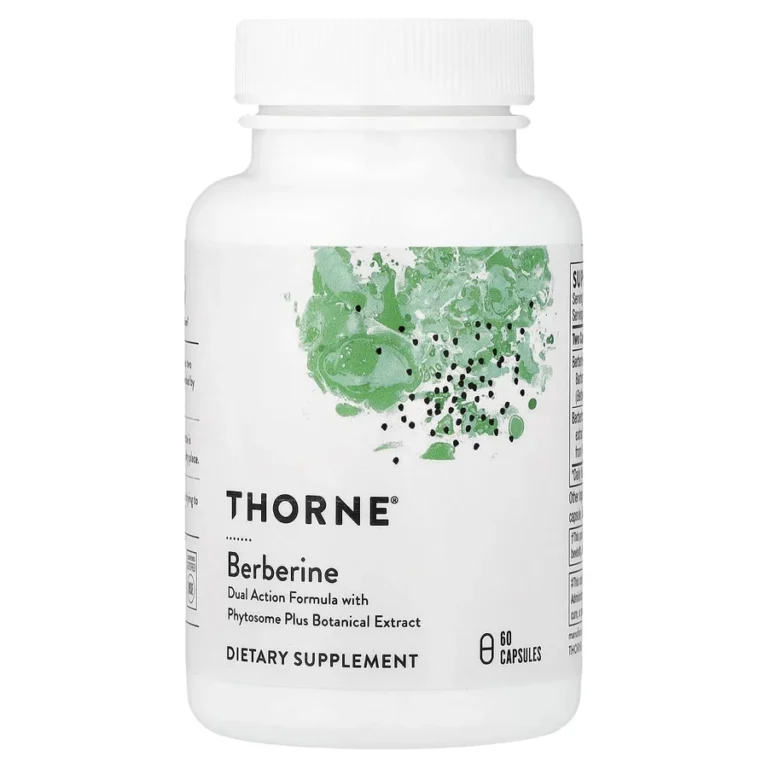 Capsules Thorne Berberine Berberine HCl 450 mg + berberine phytosome complex 550 mg per label serving.
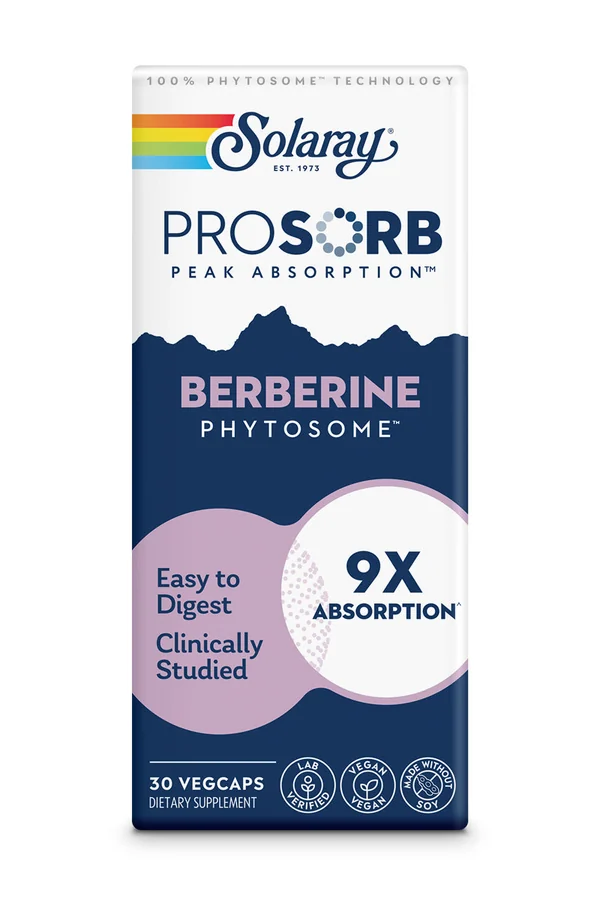 Capsules Solaray Berberine Phytosome 550 mg BerbeVis complex 550 mg, standardized to 30% berberine HCl (165 mg) per label serving.
Brand pattern Thorne Helpful when you want the bigger premium-brand context before deciding whether any berberine product belongs in the conversation.
Capsules Solaray Berberine Phytosome 550 mg BerbeVis complex 550 mg, standardized to 30% berberine HCl (165 mg) per label serving.
Brand pattern Thorne Helpful when you want the bigger premium-brand context before deciding whether any berberine product belongs in the conversation.
Start with the real blood sugar question
“Blood sugar support” is a broad phrase that can hide very different goals. Before comparing supplements, ask which of these situations actually applies to you:
- You had one screening result that worried you
- You have borderline results and want to improve daily habits
- You have diagnosed diabetes and want to discuss add-ons
- You feel wiped out after meals and are assuming it is blood sugar
- You are being sold a generic “metabolism” product with no clear reason to use it
This matters because symptoms alone are a weak guide. Tiredness, cravings, shakiness, and afternoon crashes can come from many causes. MedlinePlus explains that blood glucose testing includes several different tests, and one number is not the whole picture. A1C reflects average blood glucose over roughly the past 2 to 3 months, but clinicians may use it alongside other tests rather than by itself.
That is why the better first move is usually lab context, not guessing. If you want a practical starting point, see blood sugar labs to check before berberine. If you are not sure whether this is a self-care issue or a medical one, read when to talk to a clinician.
Where berberine may fit
Berberine is the supplement most often marketed for blood sugar support, and there is a reason it gets attention. It has human research behind it, and it may help some glucose-related markers in some settings. But the marketing usually overreaches.
The cautious version is this: berberine may be worth discussing when you already have meaningful lab context and a clear reason for using it. It is not the best default choice for every person who feels “off” after eating or wants a metabolism boost.
Where it may fit best:
- You have actual lab results to follow, not just symptoms
- You want a targeted supplement discussion rather than generic wellness stacking
- You are ready to review medicines, side effects, and timing carefully
Where the evidence is narrower than the hype: berberine is often talked about as if it is a universal shortcut. It is not. Product quality varies, side effects happen, and herb-drug interactions are a real concern. NCCIH notes that herbs and medicines can interact in harmful ways, which is especially relevant here.
If you are still considering it, read more on berberine, practical dosing questions like whether berberine is better before or after meals, and common berberine side effects. Those details matter more than most supplement ads suggest.
Where psyllium and food-first fiber may fit
If the real issue is that your diet is low in fiber, meals are not very filling, or you want a steadier and more conservative support plan, psyllium may make more sense than jumping straight to berberine.
Psyllium is less glamorous, but that is part of its appeal. It is a straightforward way to increase soluble fiber intake, and for many people the question is not “Which advanced supplement do I need?” but “Am I doing the basics that support steadier eating and overall metabolic health?”
Where psyllium or food-first fiber may fit best:
- You know your daily fiber intake is low
- You want a more conservative first step
- You are looking for support around meal quality and fullness, not a shortcut
- You want something that pairs with broader habit changes rather than trying to replace them
Food-first usually means building meals around vegetables, legumes, intact grains, nuts, seeds, and other fiber-rich foods, then using a supplement only if needed. If you want a simple overview, see psyllium husk.
This does not mean psyllium is perfect for everyone. It still has practical issues such as fluid intake, tolerance, and medication timing. But when compared with more aggressive blood sugar marketing, it is often the more measured place to begin.
Which blood sugar ingredients have the strongest evidence?
Among the ingredients readers ask about most, berberine is usually the one with the strongest supplement-specific attention. That does not make it easy, low-risk, or right for everyone. It just means it has more of a real blood-sugar conversation around it than many softer “metabolic support” ingredients.
Soluble fiber and psyllium are often the more grounded option when the goal is steadier eating, better fullness, and a lower-drama first step. Other ingredients people ask about, like cinnamon, chromium, magnesium, or alpha-lipoic acid, may come up in blood sugar discussions, but the real-world case for using them is usually more context-dependent and less straightforward than the marketing makes it sound.
Can lifestyle changes work better than supplements for blood sugar support?
Very often, yes. Walking after meals, eating more fiber, building meals around protein, sleeping better, and cutting down on all-day processed snacking can matter more than any single capsule. Supplements can help in some cases, but they do not replace the basics that shape day-to-day blood sugar patterns.
That is why a lot of people get more value from a food-first, meal-first, movement-first plan than from rushing into a trendy formula. If you are hoping a supplement will undo a pattern that still needs work, the supplement may look weaker than it really is.
What people often get wrong
- Using symptoms as diagnosis. Feeling shaky, tired, or hungry after meals does not automatically mean a blood sugar problem.
- Chasing a single number. One reading rarely tells the whole story. A1C, fasting measures, and clinical context can point in different directions.
- Treating berberine like a casual wellness add-on. It deserves the same seriousness you would give any product with meaningful interaction potential.
- Skipping the low-cost basics. Meal structure, sleep, movement, and fiber intake often matter more than the newest capsule.
- Assuming “natural” means low risk. It does not. Herbs can interact with medicines and can be the wrong fit for some people.
- Believing the marketing claim is broader than the evidence. A supplement may have some promising data without being the best choice for your actual situation.
When supplements are not the first move
Supplements should move down the list when the bigger issue is not a missing capsule but missing information or missing fundamentals.
They are usually not the first move when:
- You have not checked relevant labs and are relying on guesswork
- You already have diagnosed diabetes and your care plan needs medical review, not self-experimenting
- You are taking medicines that could interact
- Your meal pattern, sleep, stress, or alcohol intake are likely doing most of the damage
- You are trying to “fix” large post-meal swings without first looking at what and how you are eating
For many people, the better order is: clarify the goal, get lab context, improve the basics, then decide whether a supplement still earns a place.
Safety notes
The biggest safety issue on this page is berberine. It is not a casual choice for everyone, especially if you use prescription medicines or have a diagnosed condition. NCCIH specifically warns that herb-drug interactions can be harmful.
Practical cautions:
- If you take insulin or other glucose-lowering medicines, do not add berberine on your own.
- If you take multiple prescriptions, review interaction risk before starting any herb or supplement.
- If you have digestive sensitivity, both berberine and fiber supplements can cause problems for some users.
- If you choose psyllium, use it with enough fluid and pay attention to how it fits around medications.
- If you are unsure whether your situation belongs in self-care or medical care, use this clinician guide before supplement shopping.
The safest overall message is simple: do not use supplements to replace testing, follow-up, or a medication review.
FAQ
Is berberine the best supplement for blood sugar support?
Not automatically. It is the most talked-about option, but it is not the best first choice for everyone. If you do not yet know your lab situation, or if your real issue is low fiber intake and inconsistent meals, fiber may be the more sensible first step.
Should I try berberine before getting labs?
Usually no. Lab context helps you understand whether there is a real glucose-related issue, what kind of issue it is, and whether a supplement even makes sense. Symptoms alone are too nonspecific.
What labs matter first if I am worried about blood sugar?
A1C is commonly used because it reflects average blood glucose over the past 2 to 3 months, but it is not the whole picture. Blood glucose testing can involve several different tests, so the right starting panel depends on your situation. That is why context matters more than chasing one number.
Is psyllium enough, or do I need a stronger supplement?
If your diet is low in fiber, psyllium may be enough to be worth trying before you move to a more complicated option. It is especially reasonable when your goal is broader metabolic support and better meal quality rather than chasing a quick fix.
Can I take berberine with diabetes medication?
Do not assume that is safe to do on your own. Berberine can have meaningful interactions, and people using insulin or other glucose-lowering medicines should get individualized advice before combining them.
Are blood sugar supplements overhyped?
Often, yes. The marketing usually makes the evidence sound broader and easier than it really is. Some products may help in specific situations, but that is very different from saying they are the right move for every person who wants “metabolic support.”
Update Note
Last reviewed and updated on September 24, 2026. Added follow-up guidance on labs, evidence strength across common ingredients, and where lifestyle changes can matter more than supplements.
Editorial information
Reviewed for Trust
- Publisher: Supplement Explained Editorial Team
- Review model: Editorial evidence review; clinician review is shown only when a named clinician is listed.
- Last reviewed: September 24, 2026
- Last updated: September 24, 2026
- Editorial Policy | How We Review Evidence | Research Process | Disclaimer
- Use: Informational only. Not personal medical advice.