
Garden of Life
Fast verdict
Garden of Life sells several distinct supplement lines, so choose by the exact product rather than the brand name. Raw and SPORT protein powders have different amounts and certifications; probiotic storage requirements also vary. The product reviews below compare those differences, including serving size, quality documentation and cost.
Reviewed products from this brand
Each review checks its own label and evidence. Brand-wide claims do not certify every product.
Garden of Life Raw Organic Protein
Protein 22 g; BCAAs 4 g included in protein per label serving.
Raw Organic Protein · Unflavored / No Stevia · 560 g
Supplement Explained Score 18/25
Read the review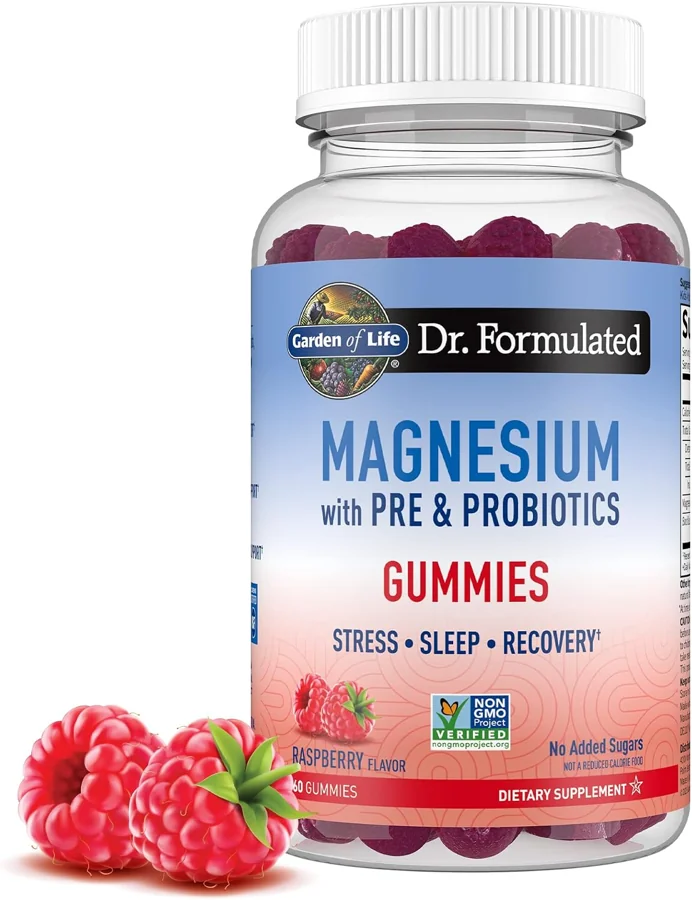
Garden of Life Dr. Formulated Magnesium Gummies
Magnesium (citrate) 100 mg; B. subtilis DE111 250 million CFU per label serving.
Magnesium Gummies · Raspberry · 60 gummies
Supplement Explained Score 15/25
Read the review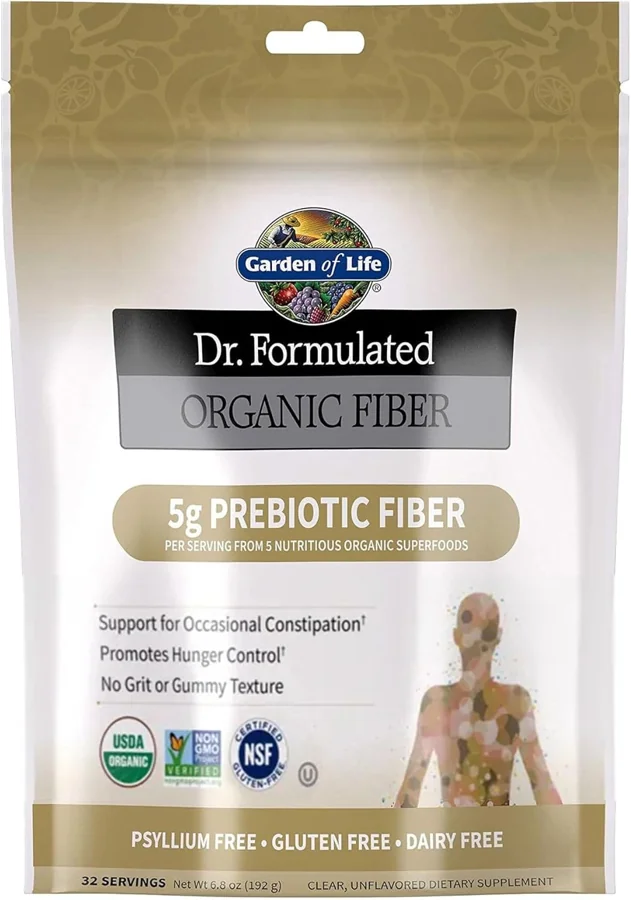
Garden of Life Dr. Formulated Organic Fiber
Fiber 5 g: soluble 4 g; insoluble 1 g per label serving.
Organic Fiber · Unflavored · 192 g
Supplement Explained Score 15/25
Read the review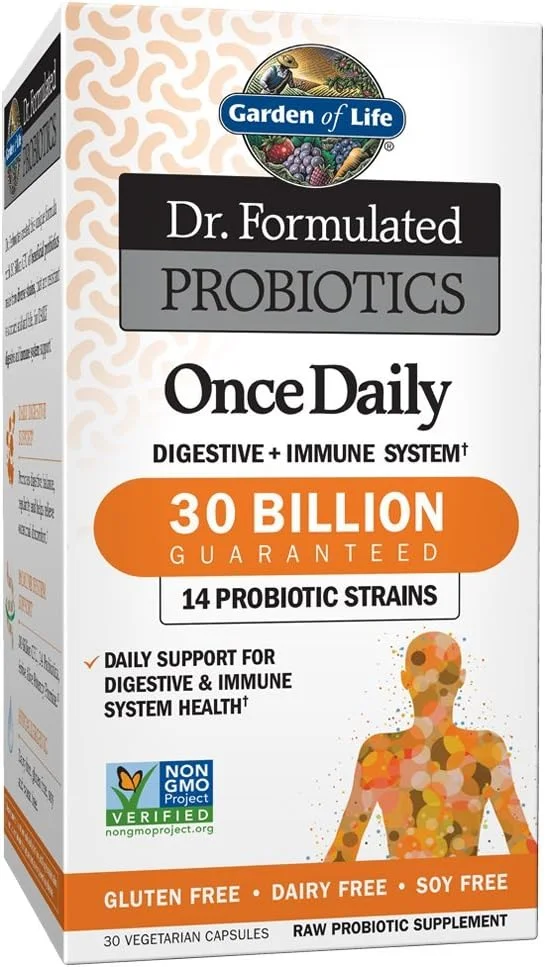
Garden of Life Dr. Formulated Probiotics Once Daily
30 billion CFU; 14 strains per label serving.
Once Daily · 30 billion · refrigerated Cooler · 30 capsules
Supplement Explained Score 13/25
Read the review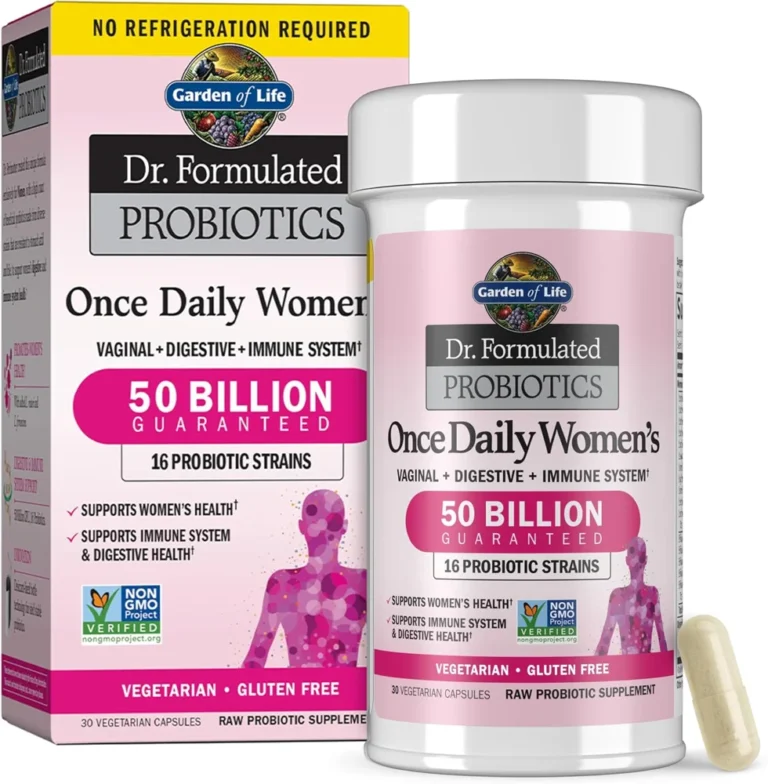
Garden of Life Dr. Formulated Probiotics Once Daily Women's
50 billion CFU; 16 strains per label serving.
Once Daily Women · 50 billion · shelf-stable · 30 capsules
Supplement Explained Score 13/25
Read the review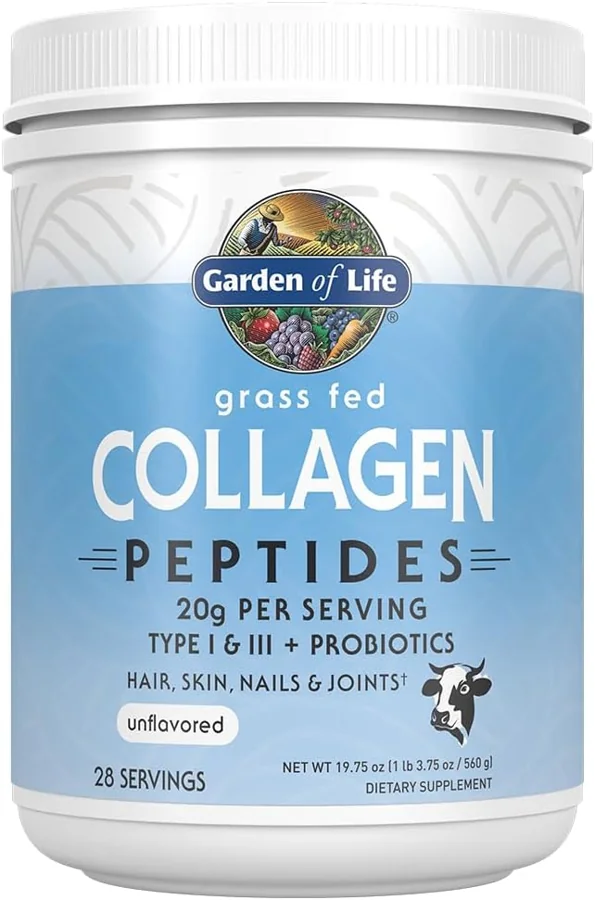
Garden of Life Grass Fed Collagen Peptides
Collagen 20 g; declared protein 18 g; B. coagulans SNZ 1969 250 million CFU per label serving.
Grass Fed Collagen Peptides · Unflavored · 560 g
Supplement Explained Score 17/25
Read the review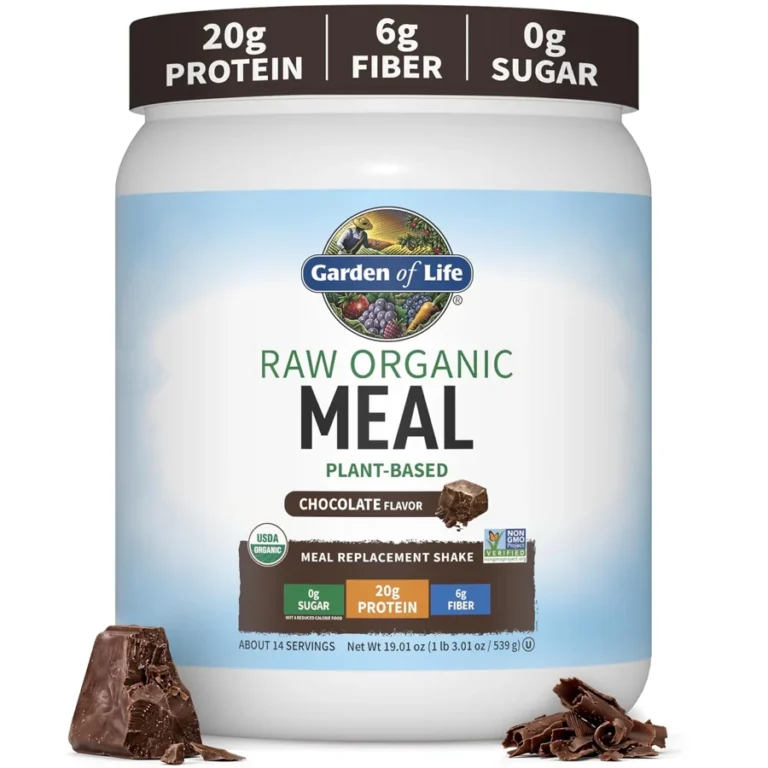
Garden of Life Raw Organic Meal
Protein 20 g; fiber 6 g per label serving.
Raw Organic Meal · Chocolate · 14-serving container
Supplement Explained Score 16/25
Read the review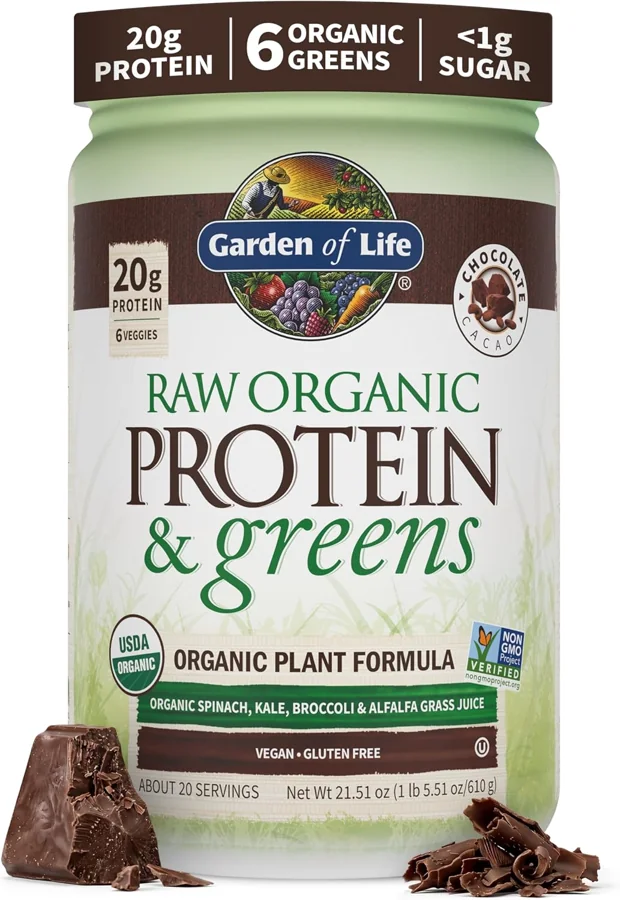
Garden of Life Raw Organic Protein & Greens
Protein 20 g; fiber 3 g; B. subtilis DE111 250 million CFU (pictured panel) per label serving.
Raw Organic Protein & Greens · Chocolate Cacao · 610 g
Supplement Explained Score 16/25
Read the review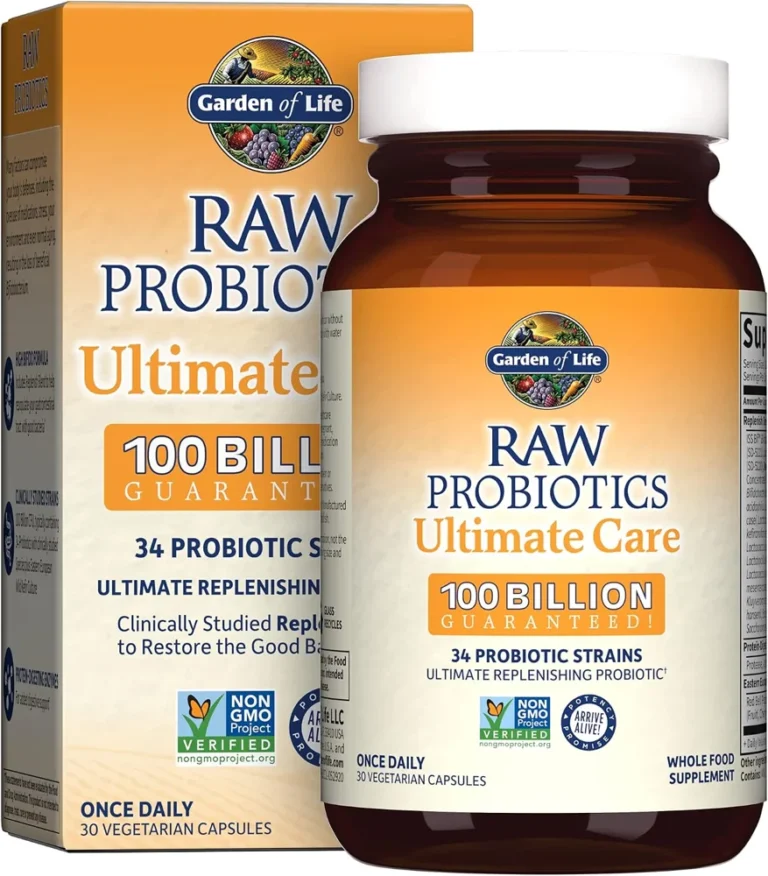
Garden of Life Raw Probiotics Ultimate Care
100 billion CFU; 34 strains per label serving.
RAW Probiotics Ultimate Care · shelf-stable · 30 capsules
Supplement Explained Score 13/25
Read the reviewGarden of Life SPORT Plant-Based Protein
Protein 30 g; BCAAs 5.5 g; glutamine + glutamic acid 5 g per label serving.
SPORT Vanilla · 806 g / 19-serving format
Supplement Explained Score 20/25
Read the review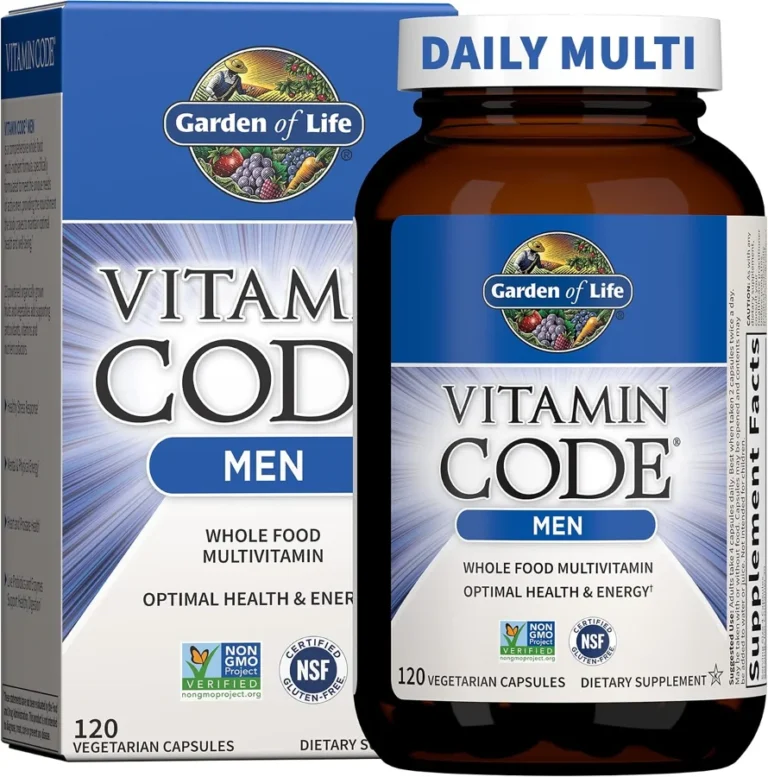
Garden of Life Vitamin Code Men
D3 20 mcg; zinc 11 mg; iodine 75 mcg; folate 400 mcg DFE per label serving.
Vitamin Code Men · 120 capsules
Supplement Explained Score 15/25
Read the review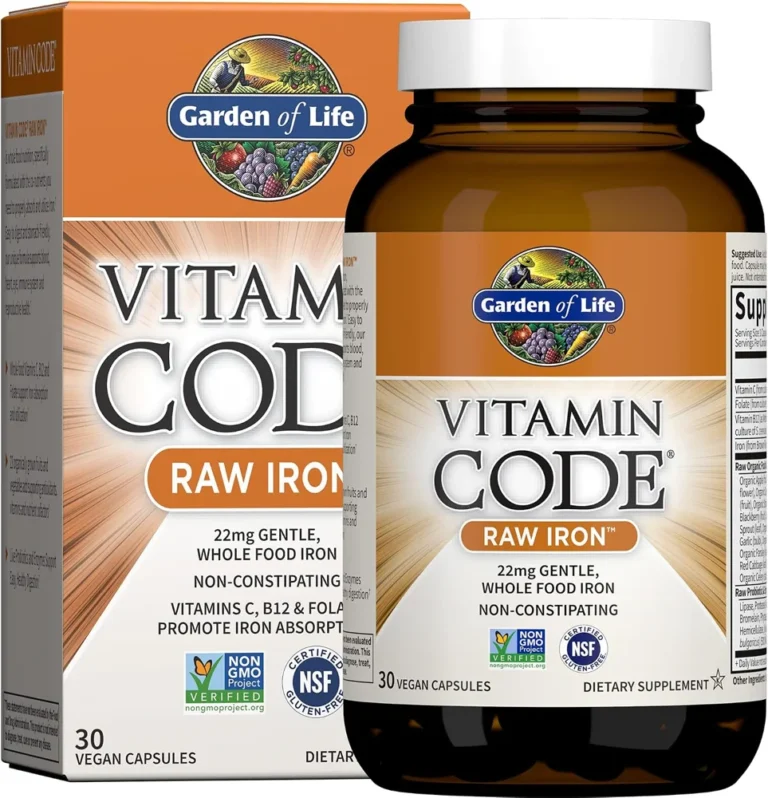
Garden of Life Vitamin Code RAW Iron
Iron 22 mg; added vitamin C, B12 and folate per label serving.
Vitamin Code RAW Iron · 30 capsules
Supplement Explained Score 16/25
Read the review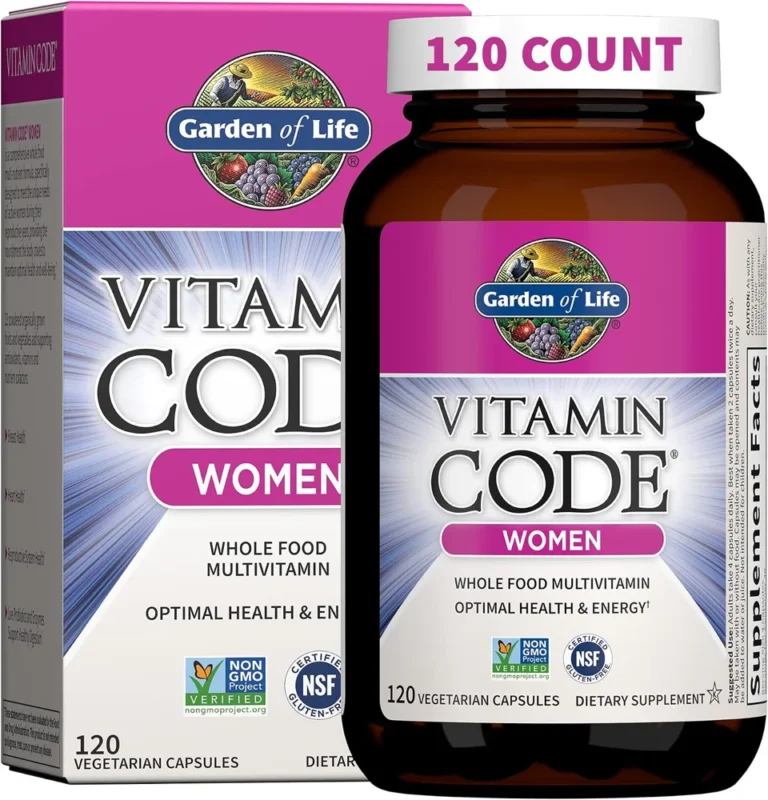
Garden of Life Vitamin Code Women
Iron 8.1 mg; D3 50 mcg; folate 800 mcg DFE; B12 40.1 mcg per label serving.
Vitamin Code Women · 120 capsules
Supplement Explained Score 15/25
Read the reviewCompare Garden of Life products
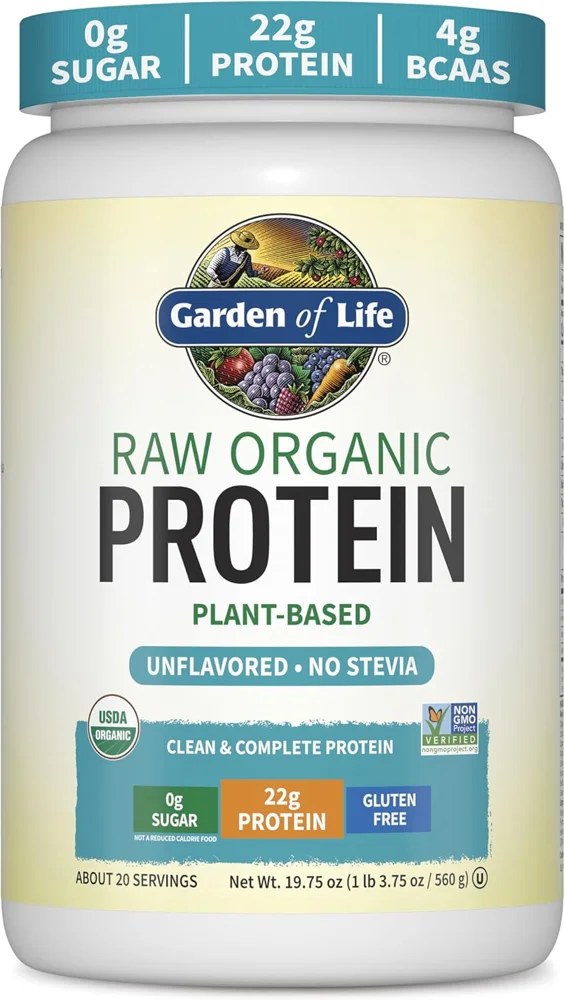
Garden of Life Raw Organic Protein
22 g plant protein, unflavored and no stevia; about 20 servings in the matched tub.
Check price at Amazon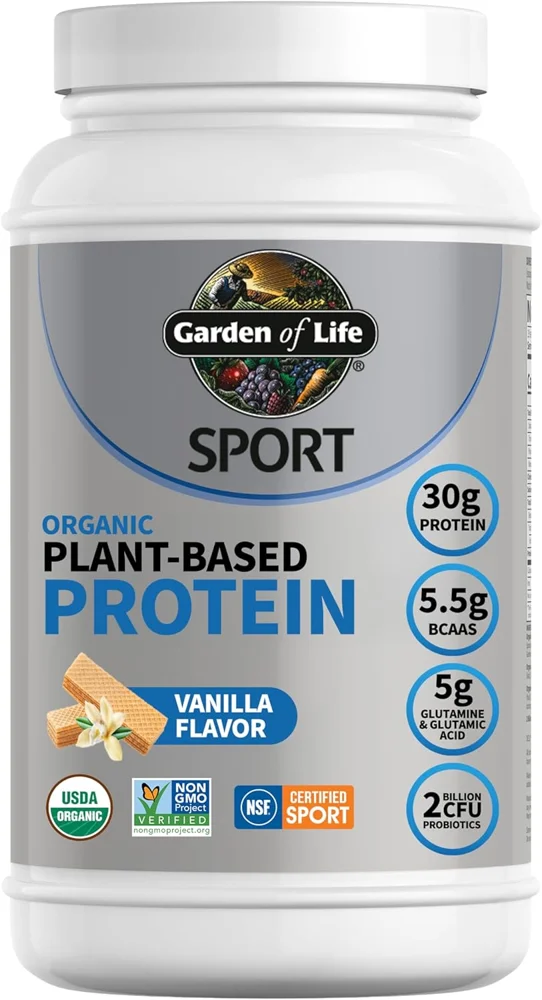
Garden of Life SPORT Organic Plant-Based Protein
30 g plant protein and an athlete-focused certification; Vanilla, not Raw Unflavored.
Check price at AmazonAffiliate links: we may earn a commission if you buy. Check the selected size, seller and current label on Amazon.
- Garden of Life Vitamin Code Women: Four daily capsules with 8.1 mg iron; the 120-capsule bottle supplies 30 days. Check Amazon price.
- Garden of Life Dr. Formulated Probiotics Once Daily: 30 billion CFU and 14 strains; check the exact bottle for refrigeration requirements. Check Amazon price.
- Garden of Life Dr. Formulated Probiotics Once Daily Women's: 50 billion CFU and 16 strains in the shelf-stable women's formula. Check Amazon price.
- Garden of Life Raw Probiotics Ultimate Care: 100 billion CFU and 34 strains; verify the storage variant rather than buying by count alone. Check Amazon price.
- Garden of Life Vitamin Code RAW Iron: 22 mg iron per capsule; consider it only after assessing whether extra iron is appropriate. Check Amazon price.
Which product line fits your question?
For a plant protein powder, compare Raw Organic Protein with SPORT: unflavored versus Vanilla, 22 g versus 30 g protein, and ordinary food certifications versus athlete-focused screening. Raw Meal and Raw Fit are separate lines.
Choosing a protein powder for comfort? Use the protein shake bloating checklist rather than assuming plant-based means easier digestion.
For probiotics, start with the strain and CFU guide. A 100-billion blend is not automatically better than 30 or 50 billion, and the storage version matters. The women’s label does not prove treatment for infections.
For a multivitamin, Vitamin Code Women requires four capsules daily and contains iron. Raw Iron is a separate 22 mg iron supplement, not an automatic addition to a multivitamin. Assess need and overlapping intake first.
What the brand name cannot tell you
A familiar brand does not establish the right formula for your needs, the results of your particular batch, or a clinical benefit from every added ingredient. Confirm the exact label, current seller, size and instructions before buying.
For added-fiber and sweetener questions, compare protein-powder ingredients on the exact formula rather than the brand name.
Certifications have different scopes. Organic, gluten-free or manufacturing-facility claims are not interchangeable with banned-substance screening. Check the exact product when evaluating third-party testing; no lot-specific lab report or personal-use test is claimed in these reviews.
How to compare cost
Use the delivered cost for the correct daily serving. For protein powder, compare cost per protein gram; for collagen, use collagen grams. For capsules, account for the complete daily directions, not simply the number of capsules in a bottle. The shop links show current retailer prices rather than an old price estimate.
Check suitability before shopping
Ingredient source, allergies, medicines and existing supplements can change whether a product fits. Do not start iron for unexplained fatigue, use a probiotic in place of care for serious illness, or treat collagen as a complete-protein substitute.
For the basics, read probiotics and multivitamins.
More product reviews
- Garden of Life Grass Fed Collagen Peptides: 20 g bovine collagen plus 250 million CFU of an identified probiotic strain; about 28 servings.
- Garden of Life Raw Organic Meal: Chocolate: 20 g protein, 6 g fiber and 150 calories per scoop; about 14 servings.
- Garden of Life Raw Organic Protein & Greens: Chocolate plant protein with added greens; compare protein and actual fiber rather than the greens claim.
- Garden of Life Vitamin Code Men: Four daily capsules with 20 mcg vitamin D3 and 11 mg zinc; the 120-count bottle lasts 30 days.
- Garden of Life Dr. Formulated Magnesium Gummies: Raspberry citrate gummies: 100 mg magnesium each; four gummies supply 400 mg and use up the bottle in 15 days.
- Garden of Life Dr. Formulated Organic Fiber: Unflavored psyllium-free powder with 5 g actual dietary fiber per tablespoon; 32 servings.
FAQ
Does every Garden of Life product have the same testing?
No. Product lines, certifications and testing scope can differ. Verify the exact product rather than transferring a claim from another formula.
Where do the shop links go?
They open the matched Amazon product listings. Confirm the size, flavor, seller and current label before checkout.
Have you personally tested these products?
These are label-based reviews using the cited product information and relevant research, not personal-use or laboratory tests.
References
- Garden of Life official product information
- Garden of Life Raw Organic Protein product source
- Garden of Life SPORT Organic Plant-Based Protein product source
- Garden of Life Vitamin Code Women product source
- Garden of Life Dr. Formulated Probiotics Once Daily product source
- Garden of Life Dr. Formulated Probiotics Once Daily Women's product source
- Garden of Life Raw Probiotics Ultimate Care product source
- Garden of Life Vitamin Code RAW Iron product source
Label and package details checked against the cited sources. Retailer prices and available versions can change; the page update date is shown above.