Iron Supplement
Quick answer
An iron supplement can be useful when there is a clear reason for it, such as higher iron needs or a lab-based reason to add more iron. It is not a casual wellness supplement for most people.
Iron needs vary by age, sex, pregnancy status, and whether someone eats a mostly plant-based diet. Iron is also naturally present in foods, added to some foods, and sold in several supplement forms.
The practical takeaway is simple: do not assume more is better. If you are considering iron, it is often worth checking labs first and reviewing the plan with a clinician.
If you need the decision route before choosing a product, use the Iron Decision Map to connect ferritin, iron saturation, CBC context, form choice, elemental iron, and when not to self-supplement.
Iron is essential, but it is not a supplement most people should start on a whim. Your body needs iron for growth and development and to make hemoglobin, myoglobin, and some hormones, yet both too little and too much can be a problem.
This guide explains iron in plain English, with a practical focus on when an iron supplement may make sense, when lab context matters, and when it is smart to pause and get advice. If you are comparing options across categories, you can also browse our wider supplements library.
On this pageTable of Contents
Featured Product Routes
If iron now looks like a real lab-driven question, move quickly from generic forms to the live product analysis that shows how one current formula handles supporting nutrients, serving burden, and brand style.
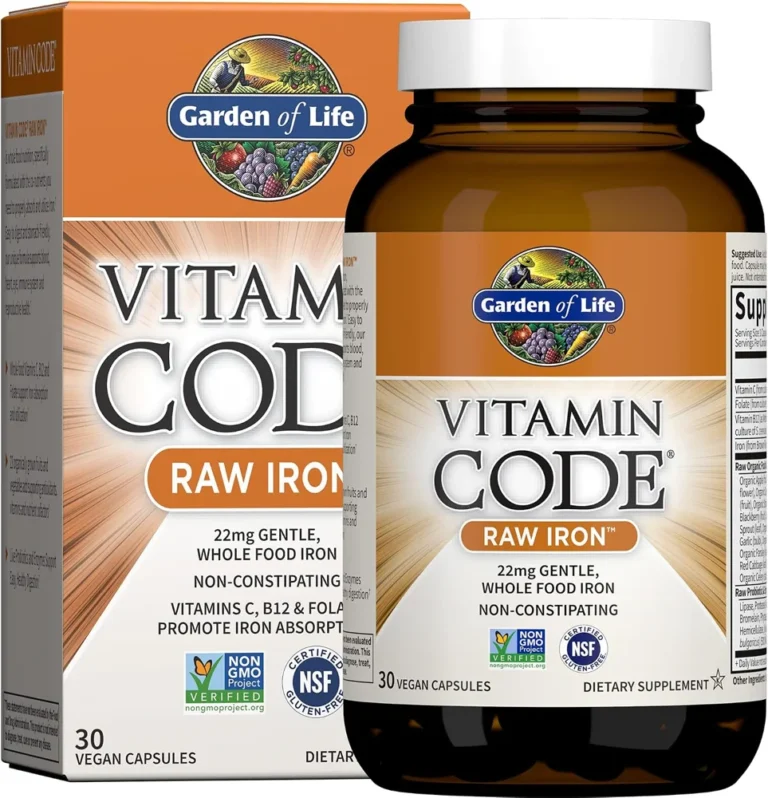 Capsules Garden of Life Vitamin Code RAW Iron Iron 22 mg; added vitamin C, B12 and folate per label serving.
Brand pattern Garden of Life Best when you want the broader brand context before deciding whether a whole-food style positioning actually improves the iron decision.
Wider library Products Hub Browse the broader products library if the real decision is whether iron belongs in the mix at all or whether another supplement question is more urgent.
Capsules Garden of Life Vitamin Code RAW Iron Iron 22 mg; added vitamin C, B12 and folate per label serving.
Brand pattern Garden of Life Best when you want the broader brand context before deciding whether a whole-food style positioning actually improves the iron decision.
Wider library Products Hub Browse the broader products library if the real decision is whether iron belongs in the mix at all or whether another supplement question is more urgent.
What iron is
Iron is a mineral. According to the NIH Office of Dietary Supplements, the body needs it for growth and development. The body uses iron to make hemoglobin, the protein in red blood cells that carries oxygen from the lungs to the rest of the body, and myoglobin, a protein that helps supply oxygen to muscles. Iron is also used to make some hormones.
You can get iron from food, from fortified foods, and from dietary supplements.
Science in simple terms
Think of iron as part of the body’s oxygen-handling toolkit. Without enough iron, the body may not have what it needs to make key proteins that move and use oxygen well. But that does not mean everyone should take extra iron. The body works best within a range, and the right amount is personal.
That is why iron decisions usually make more sense when they are tied to a reason, a diet pattern, a life stage, or lab results rather than guesswork.
Why people take iron
People usually consider an iron supplement for one of a few broad reasons:
- They have been told they need more iron based on labs or clinical advice.
- Their iron needs are higher because of age, sex, or pregnancy status.
- They eat in a way that may require more attention to iron intake, including a mostly plant-based diet.
- They are not getting enough iron from food alone.
The key point is that iron use should have a reason behind it. It is not a default add-on for “more energy” or general wellness without context.
What the evidence says
The best-established part of the story is the basic biology: iron is an essential mineral, and the body uses it to make hemoglobin, myoglobin, and some hormones.
For supplements, the evidence-based practical message is that need varies from person to person. Age, sex, pregnancy status, and diet pattern all matter. That is why iron is often a more individualized decision than many people expect.
In everyday use, the strongest decision support usually comes from combining symptoms, diet, and lab context rather than treating iron like a routine daily extra.
Strength of evidence
Strong: Iron is essential for growth and development and is used to make hemoglobin, myoglobin, and some hormones.
Strong: Iron needs vary by age, sex, pregnancy status, and whether someone eats a mostly plant-based diet.
Practical but individualized: Whether an iron supplement makes sense depends on the person, the reason for taking it, the form used, how well it is tolerated, and often lab results.
Bottom line: The science supports iron as essential, but supplement use is not one-size-fits-all.
Common forms and what changes between them
The NIH lists several forms used in supplements, including ferrous sulfate, ferrous gluconate, ferrous fumarate, ferric citrate, and ferric sulfate.
What changes between products is not just the brand name. The specific iron compound can differ, and people may tolerate one form better than another. Some forms may be more likely to cause gastrointestinal side effects at higher doses.
If you are comparing labels, it helps to look beyond marketing claims and focus on the actual iron form, the serving size, and whether the product fits your plan. Our guide on how to choose a supplement can help with that process.
Timing and dosage context
There is no single best iron dose for everyone. The right amount depends on why it is being used, your life stage, the specific product form, and whether you tolerate it well.
Because iron needs vary, dosage decisions are better made with context than by copying a friend’s routine or picking the highest-strength product on the shelf.
If you are thinking about taking iron regularly, it is reasonable to check whether labs should come first and whether a clinician wants a specific plan. The Iron Decision Map is a useful route when you are trying to decide whether the next step is testing, a form comparison, side-effect planning, or no self-supplementing yet.
Side effects
Iron supplements can cause gastrointestinal side effects, and some forms may be more likely to do so at higher doses. In practical terms, that often means the “best” product is not just the strongest one, but the one that fits your actual need and that you can tolerate.
If side effects are the main issue you are trying to sort out, see our page on iron side effects.
Interactions
Iron is a supplement where timing and context matter. Food, other supplements, and medicines can all affect how straightforward a plan is in real life.
Rather than guessing, review your full medication and supplement list with a clinician or pharmacist before starting iron, especially if you take it regularly.
Who may benefit
People who may need to pay closer attention to iron include those whose needs are higher because of:
- Age
- Sex
- Pregnancy status
- A mostly plant-based diet
Some people may also be advised to use iron because a clinician has identified a need based on diet and blood work.
Who should use caution
Iron deserves more caution than many casual supplements. If you do not have a clear reason to take it, it is usually wise to slow down before starting. Both low and high iron can be a problem, which is one reason lab context often matters.
Use extra caution if you are planning long-term use, if you already take other supplements that may contain iron, or if you have ongoing concerns that should be assessed properly first. If iron might be hidden inside a daily multi, use the Multivitamin Overlap Map before adding a separate iron product. If you are unsure where to start, this guide on when to talk to a clinician is a good next step.
Food sources
MedlinePlus lists common food sources of iron including:
- Lean meat
- Seafood
- Poultry
- Fortified cereals and breads
- Beans
- Lentils
- Spinach
- Nuts
- Some dried fruits
For many people, food is the first place to look when reviewing iron intake.
Relevant labs and biomarkers
Iron is one of those supplements where labs can be especially helpful. Before starting, many people want to understand whether testing makes sense and which markers are usually reviewed.
Two good starting points on our site are ferritin explained and what blood tests matter before iron. These pages can help you understand the conversation before you decide on a product.
Current iron product coverage
Our live iron product coverage is intentionally selective. That is useful in a category where form, tolerance, and added ingredients often matter more than picking the highest milligram number on the shelf.
- Garden of Life Vitamin Code RAW Iron is a good starting point when you want to judge a gentler-style iron product with added support nutrients instead of a bare single-ingredient formula.
- Iron Bisglycinate vs Ferrous Sulfate helps when the real decision is form and tolerance, not just brand.
For the broader brand pattern, see Garden of Life. To browse every live product analysis, use the products hub.
Which iron form is easiest on the stomach?
That is one of the biggest real-world reasons people compare iron products. Gentler forms can matter a lot because the best iron plan still has to be tolerable enough to continue.
If the product keeps making you miserable, the answer is not always “be tougher.” Often the answer is to rethink form, dose, timing, or whether the plan needs more medical guidance.
Should iron be taken with food or on an empty stomach?
This is one of the clearest tradeoff questions in supplement timing. Taking iron on an emptier stomach may look better on paper for absorption, but real-life stomach tolerance can push people back toward food-based timing.
That is why the “best” answer is often the one that balances absorption logic with what you can actually stick with.
Who should not take iron without testing first?
Anyone treating iron like a guess instead of a deficiency question should slow down. Iron is one of the least casual supplements on the site, because the downside of getting it wrong is much more serious than with many trend-driven products.
If the plan starts with “I think I might be low,” the next move is often better testing, not a random iron bottle.
Product Example: One-Tablet Iron Bisglycinate
Once lab need and follow-up are clear, a product analysis can help with form, dose, other nutrients, tolerance, and cost.
A label example after assessing iron need
- Garden of Life Vitamin Code RAW Iron: 22 mg iron per capsule; consider it only after assessing whether extra iron is appropriate.
FAQ
Is iron a good everyday supplement for everyone?
No. Iron is essential, but it is not a supplement most people should take casually without a reason.
What does iron do in the body?
The body uses iron for growth and development and to make hemoglobin, myoglobin, and some hormones.
Can I get iron from food instead of a supplement?
Often, yes. Iron is naturally present in foods and added to some foods. Common sources include meat, seafood, poultry, fortified grains, beans, lentils, spinach, nuts, and some dried fruits.
Are all iron supplements the same?
No. Different forms are used, including ferrous sulfate, ferrous gluconate, ferrous fumarate, ferric citrate, and ferric sulfate. Tolerance can vary from one form to another.
Should I check labs before taking iron?
Often, that is a sensible step. Iron decisions are frequently better when they are based on lab context rather than guesswork.
Update Note
Last reviewed and updated on September 30, 2026. Added follow-up guidance on gentler iron forms, food versus empty-stomach timing, and why iron should not be started casually without testing.
Editorial information
Reviewed for Trust
- Publisher: Supplement Explained Editorial Team
- Review model: Editorial evidence review; clinician review is shown only when a named clinician is listed.
- Last reviewed: September 30, 2026
- Last updated: September 30, 2026
- Editorial Policy | How We Review Evidence | Research Process | Disclaimer
- Use: Informational only. Not personal medical advice.