
Iron Bisglycinate vs Ferrous Sulfate
If you are choosing between these two iron forms, the fastest answer is this: ferrous sulfate is the standard, lower-cost option, while iron bisglycinate is often chosen because it may be easier on the stomach. The more important question, though, is often not the form but whether you need iron at all and how much elemental iron the product actually provides. For a broader guide, see our iron overview or browse more comparisons in the compare hub.
- Fast take: Bisglycinate is often marketed as gentler; ferrous sulfate is the common low-cost standard.
- What matters most on the label: compare elemental iron, not just the ingredient name.
- What often drives real-world success: stomach tolerance, dose, and whether iron was actually needed in the first place.
- Before buying: it can make more sense to review which blood tests matter before iron and how iron saturation and ferritin differ.
Fast verdict for Iron Bisglycinate vs Ferrous Sulfate
If you want the simplest comparison, iron bisglycinate may fit better if stomach side effects are your main concern. Ferrous sulfate may fit better if cost, availability, and standard use matter most.
But there is no universal winner. Different iron forms contain different amounts of elemental iron, and that changes the comparison more than many labels suggest. A product that sounds gentler is not automatically necessary, and a cheaper salt is not automatically the wrong choice if you tolerate it well.
If the bigger question is whether iron belongs in the plan at all, use the Iron Decision Map before choosing a form.
On this pageTable of Contents
- 1Fast verdict for Iron Bisglycinate vs Ferrous Sulfate
- 2What changes between these forms
- 3What does not change as much as marketing suggests
- 4Absorption, dose, and GI tradeoffs
- 5Practical routine and cost notes
- 6Which form may fit which use case
- 7Which form is easier on the stomach?
- 8Can you switch from ferrous sulfate to bisglycinate?
- 9How do you choose between iron bisglycinate and ferrous sulfate?
- 10Read the exact supplement label before choosing
- 11FAQ
Featured Product Routes
If the form comparison is now turning into a real shopping decision, move to the live product page that shows how a current iron formula handles support ingredients, brand style, and label complexity.
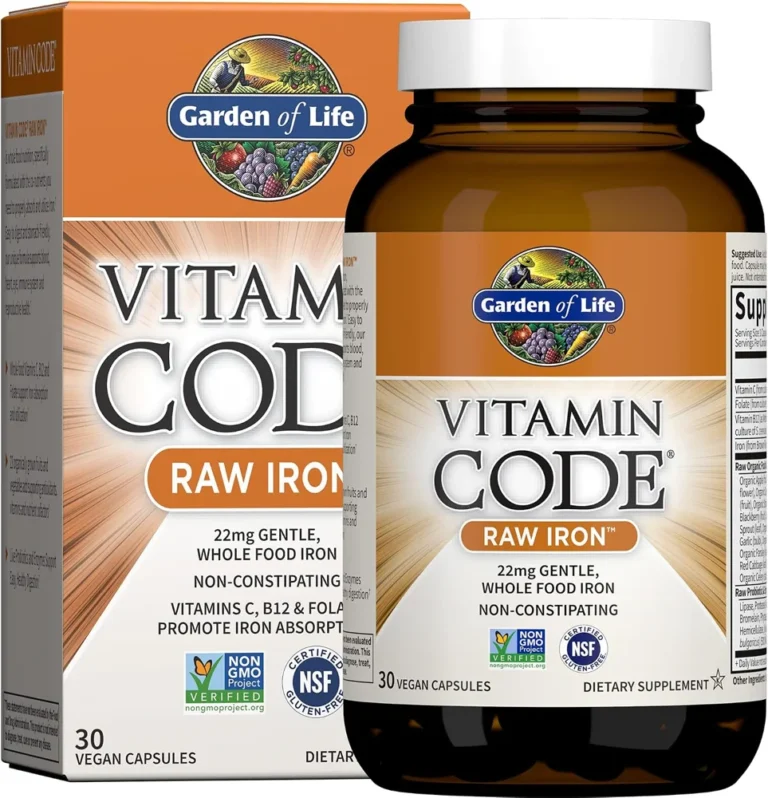 Capsules Garden of Life Vitamin Code RAW Iron Iron 22 mg; added vitamin C, B12 and folate per label serving.
Brand pattern Garden of Life Helpful when you want the wider brand context before deciding whether a fuller wellness-style iron formula actually helps.
Bigger context Iron Guide Use this if you still need the bigger lab, side-effect, and elemental-iron context before shopping a specific bottle.
Capsules Garden of Life Vitamin Code RAW Iron Iron 22 mg; added vitamin C, B12 and folate per label serving.
Brand pattern Garden of Life Helpful when you want the wider brand context before deciding whether a fuller wellness-style iron formula actually helps.
Bigger context Iron Guide Use this if you still need the bigger lab, side-effect, and elemental-iron context before shopping a specific bottle.
What changes between these forms
The main difference is the chemical form of iron. Ferrous sulfate is an iron salt. Iron bisglycinate, often called ferrous bisglycinate, is an amino-acid chelate.
That form difference can affect two practical things: how much elemental iron is in a serving and how likely the product is to bother your stomach. The NIH notes that iron supplements come in several forms and that these forms contain different amounts of elemental iron. That means two bottles can look similar but deliver different actual iron amounts per capsule or tablet.
This is why label reading matters more than ingredient-name shopping. If you compare products only by “one pill vs one pill,” you can end up comparing very different iron doses.
What does not change as much as marketing suggests
Marketing often makes it sound like one form is clearly superior for everyone. The evidence does not support that simple of a conclusion.
Ferrous bisglycinate has been studied and is often discussed as better tolerated than iron salts, but the practical result still depends on dose and the exact product. Ferrous sulfate remains a common supplement form for a reason: it is widely used, easy to find, and often less expensive.
The bigger issue is often whether iron supplementation makes sense for you at all. If you are shopping forms before checking basics like ferritin or iron saturation, you may be solving the wrong problem first. Our guides on pre-iron lab testing and iron saturation vs ferritin can help frame that decision.
Absorption, dose, and GI tradeoffs
People often ask which form is “better absorbed.” The cautious answer is that iron bisglycinate is commonly promoted that way, and a recent systematic review and meta-analysis found ferrous bisglycinate can improve hemoglobin and ferritin. Still, practical comparisons depend on dose and product specifics, so “better absorbed” should not be treated as a guaranteed win in every bottle-to-bottle comparison.
Where the difference is often more noticeable is tolerability. The NIH notes that higher-dose supplemental iron commonly causes gastrointestinal side effects such as nausea and constipation. It also notes that amino-acid chelates may have fewer gastrointestinal side effects than ferrous or ferric salts. A meta-analysis in adults found ferrous sulfate supplementation caused significant gastrointestinal side effects.
That means the tradeoff is usually this: ferrous sulfate is often the standard low-cost choice, but stomach issues can be a real reason some people prefer bisglycinate. If side effects are already a concern, it helps to review common iron side effects before buying.
Practical routine and cost notes
For everyday use, ferrous sulfate usually wins on price and easy availability. Iron bisglycinate often appeals to people who want a potentially gentler option and are willing to pay more for that tradeoff.
The practical mistake is assuming the more expensive form is always the smarter purchase. It may be better tolerated, but that does not automatically make it necessary or superior for every person. If a lower-cost product works well for you and matches the intended elemental iron amount, that matters.
When comparing products, check the Supplement Facts panel for the amount of elemental iron per serving. That number is usually more decision-relevant than the ingredient name on the front label.
Which form may fit which use case
- If stomach tolerance is your main issue: iron bisglycinate may be the more practical starting point because chelated forms may cause fewer gastrointestinal side effects.
- If cost and simplicity matter most: ferrous sulfate is often the straightforward standard option.
- If you have no idea whether you need iron: neither form is the first decision. Labs usually come first.
- If you already know iron bothers your stomach: a discussion about switching forms can be reasonable.
- If you are comparing bottles online: compare elemental iron, not just capsule count, serving size, or form name.
Which form is easier on the stomach?
This is the biggest real-world reason the comparison matters. If the lower-cost form keeps causing nausea, constipation, or drop-off, the cheaper product may not really be the cheaper routine anymore.
Tolerability can be the part that decides whether the plan actually survives long enough to matter.
Can you switch from ferrous sulfate to bisglycinate?
Sometimes yes, and this is one of the most practical comparison questions. The reason people switch is rarely chemistry trivia. It is usually because the current routine is too rough, too hard to continue, or no longer feels worth the tradeoff.
If you are switching, the smarter frame is not “which one sounds better?” It is “which one gives me the best chance of sticking with the plan safely?”
How do you choose between iron bisglycinate and ferrous sulfate?
Start with the tradeoff: ferrous sulfate is often the more standard low-cost route, while bisglycinate often gets chosen because the stomach side of the decision matters more. Then check elemental iron, timing practicality, and whether iron truly belongs in the plan at all.
If the label looks good but the testing story is missing, remember that the fit question still comes first.
Read the exact supplement label before choosing
- Garden of Life Vitamin Code RAW Iron: 22 mg iron per capsule; consider it only after assessing whether extra iron is appropriate.
FAQ
Is iron bisglycinate better than ferrous sulfate?
Not across the board. Iron bisglycinate may be easier on the stomach for some people, while ferrous sulfate is the standard lower-cost option. The better choice depends on tolerance, elemental iron amount, and whether you need iron in the first place.
Which one is gentler on the stomach?
Iron bisglycinate is often the gentler choice. NIH materials note that amino-acid chelates may cause fewer gastrointestinal side effects than iron salts, and higher-dose iron commonly causes nausea and constipation.
Which one is better absorbed?
Iron bisglycinate is often discussed that way, and research supports that it can improve hemoglobin and ferritin. But real-world comparisons still depend on dose and product specifics, so it is safer to avoid assuming one form always outperforms the other.
Why does elemental iron matter more than the form name?
Because different iron forms contain different amounts of elemental iron. Two products can both say “iron” on the front and still provide very different actual iron amounts per serving. Always compare the Supplement Facts panel.
Should I choose a form before getting labs?
Often no. If you are not already sure iron makes sense for you, start with the basics: which blood tests matter before iron and how to think about iron saturation vs ferritin. Form shopping is a smaller question than whether iron is actually needed.
When should I talk to a clinician before taking iron?
If you are unsure why you want iron, have ongoing symptoms, have had abnormal iron-related labs, or are concerned about side effects, it is reasonable to get guidance first. You can start with our page on when to talk to a clinician.
References
When the Iron Bisglycinate vs Ferrous Sulfate answer changes
The better choice depends on your goal, dose, preferred form, medicines, tolerance and budget. No single option suits everyone.
- Safety changes the answer: medications, pregnancy, kidney/liver issues, surgery, abnormal labs, or side effects can outweigh convenience.
- Label details change the answer: serving size, active amount, other ingredients, testing proof, and price per useful dose can shift the practical pick.
- Goal changes the answer: sleep, digestion, training, deficiency correction, and general wellness can require different forms or timing.
Update Note
Last reviewed and updated on September 30, 2026. Added follow-up guidance on stomach tolerance, when people switch from ferrous sulfate to bisglycinate, and the simplest way to choose between the two forms.
Editorial information
Reviewed for Trust
- Publisher: Supplement Explained Editorial Team
- Review model: Editorial evidence review; clinician review is shown only when a named clinician is listed.
- Last reviewed: September 30, 2026
- Last updated: September 30, 2026
- Editorial Policy | How We Review Evidence | Research Process | Disclaimer
- Use: Informational only. Not personal medical advice.