
Best supplements for appetite and sugar cravings
If you are looking for the best supplements for appetite and sugar cravings, the most useful answer is usually not a single product. Cravings can reflect sleep debt, meal timing, low protein or fiber, stress, blood sugar swings, medication effects, or a broader health issue. That is why the smartest supplement choice depends on what problem you are actually trying to solve.
Quick answer
For appetite and sugar cravings, psyllium or a food-first fiber upgrade often makes more sense than jumping straight to a blood-sugar supplement. Psyllium may fit when the real issue is poor fullness, low fiber intake, or meals that do not keep you satisfied for long. Berberine is not a casual appetite-control shortcut; it belongs in a more careful blood-sugar and medication-safety discussion.
- Best first place to look: meal structure, protein, fiber, sleep, stress, and snack patterns.
- Most practical supplement option: psyllium husk, especially if you rarely feel full or your diet is low in fiber.
- More caution needed: berberine, because it can interact with medicines and is often overmarketed for cravings and “metabolism” support.
- Do not self-diagnose from cravings alone: if you think blood sugar may be part of the picture, see blood sugar support and consider whether labs and clinical context matter more than a supplement.
- If you want the simplest rule: start with food-first vs supplement-first thinking before buying a stack of products.
On this pageTable of Contents
- 1Start with the real cravings question
- 2Where psyllium and food-first fiber may fit
- 3Where berberine may fit, and where it may not
- 4Can lifestyle changes work better than supplements for sugar cravings?
- 5When do cravings point to a bigger blood sugar conversation?
- 6What people often get wrong
- 7When supplements are not the first move
- 8Safety notes
- 9FAQ
Featured Product Routes
If the cravings question is turning into a cautious blood-sugar-supplement decision, skip generic hype and jump to product pages that show the real tradeoffs in dose logic, side effects, and brand positioning.
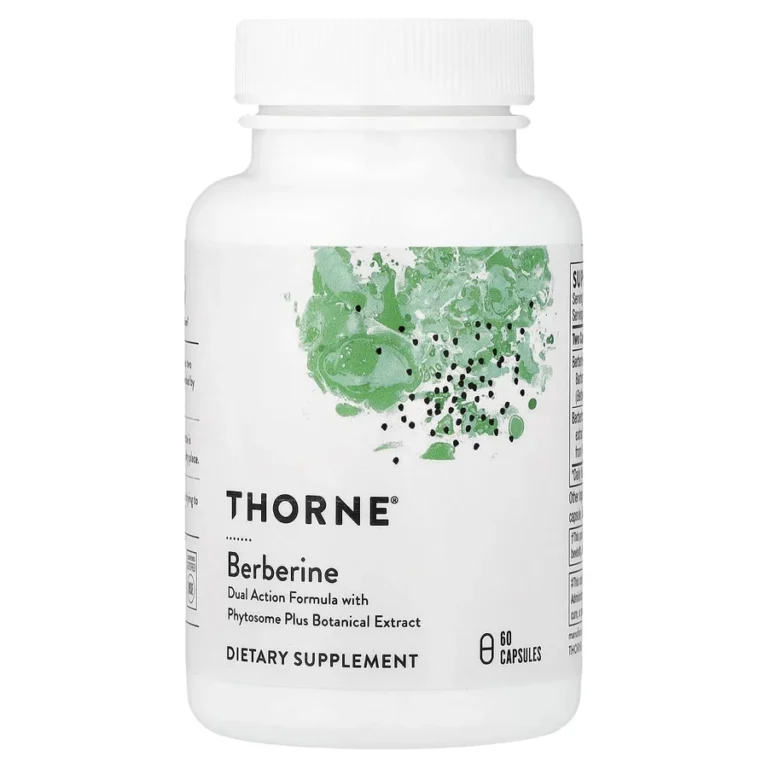 Capsules Thorne Berberine Berberine HCl 450 mg + berberine phytosome complex 550 mg per label serving.
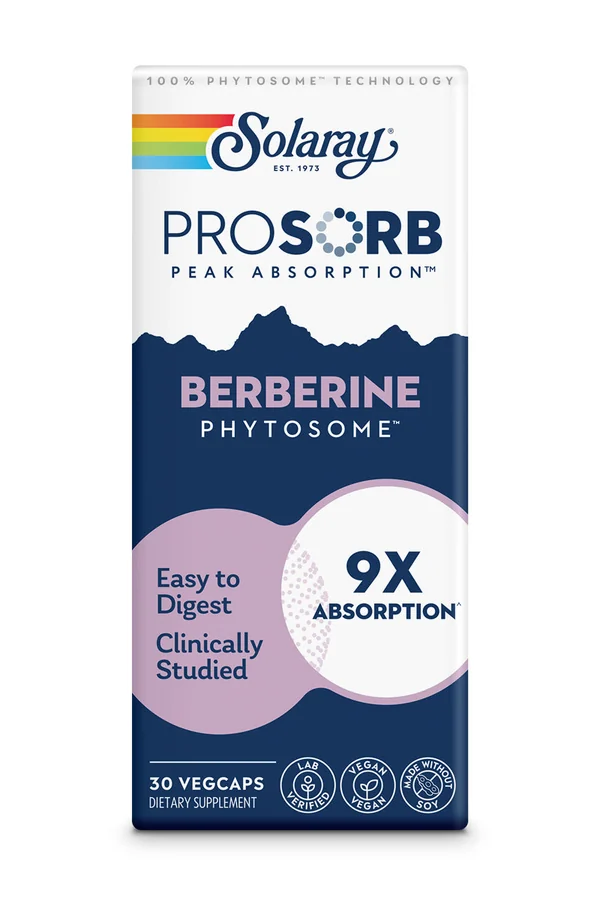 Capsules Solaray Berberine Phytosome 550 mg BerbeVis complex 550 mg, standardized to 30% berberine HCl (165 mg) per label serving.
Brand pattern Solaray Helpful when you want the wider brand context before deciding whether a more specialized berberine angle is actually the smart move.
Capsules Solaray Berberine Phytosome 550 mg BerbeVis complex 550 mg, standardized to 30% berberine HCl (165 mg) per label serving.
Brand pattern Solaray Helpful when you want the wider brand context before deciding whether a more specialized berberine angle is actually the smart move.
Start with the real cravings question
Before you ask which supplement is best, ask a better question: what kind of craving problem is this?
- Are you actually hungry because meals are too small or low in protein?
- Do you get strong afternoon or evening cravings after long gaps without eating?
- Are you under-sleeping, stressed, or relying on ultra-processed snack foods?
- Has a medication change, alcohol pattern, or intense dieting changed your appetite?
- Do you suspect blood sugar swings, but have no real context or lab history?
This matters because cravings are not one simple supplement problem. A person who skips lunch and then wants sweets at 4 p.m. may need a better meal pattern, not a capsule. Someone with consistently low fiber intake may benefit more from fiber than from a trendy glucose-focused ingredient. Someone with new, intense, or unexplained cravings may need a broader review, not self-treatment.
If blood sugar is on your mind, it helps to know that testing is not just one random number. MedlinePlus explains that blood glucose testing includes different tests, and one result is not the whole picture. It also notes that an A1C reflects average blood glucose over the past 2 to 3 months. That is one reason cravings alone are a poor way to guess what is happening. If you are considering a glucose-focused supplement, the smarter starting point may be which blood sugar labs to review before berberine, not an impulse purchase.
Where psyllium and food-first fiber may fit
Psyllium is often the more grounded option when the real issue is satiety. It is a soluble fiber that forms a gel with water. In plain English, that can help meals feel more filling and may make eating patterns easier to manage for some people.
Psyllium may fit best if:
- you do not eat much fiber from beans, oats, fruit, vegetables, seeds, or whole grains
- you often feel hungry soon after meals
- your snacking seems tied to low fullness rather than a specific medical concern
- you want a lower-drama first step before trying more aggressive products
It may not do much if the main driver is poor sleep, emotional eating, highly restrictive dieting, or an all-day grazing pattern. It is also not magic if meals are low in protein and built mostly around refined snack foods.
For many readers, the better move is a food-first approach: build more fiber into actual meals first, then consider psyllium if needed. If you do use it, details matter. Timing and fluid intake can change how it feels in real life, so see should psyllium be taken before or after meals for the practical side.
Where berberine may fit, and where it may not
Berberine is usually discussed in the context of blood sugar support, not simple appetite control. That distinction matters. If someone markets berberine like a casual fix for sugar cravings, that is a red flag.
Berberine may be part of a more careful plan when:
- you are specifically looking at blood sugar patterns, not just random cravings
- you are reviewing medications, lab context, and risks instead of guessing
- you understand that it can cause side effects and interact with medicines
Berberine may not be the right first move when:
- you mostly need better meal structure, more fiber, or more protein
- your cravings are driven by stress, sleep loss, or restrictive eating
- you want a shortcut without checking your medication list or health context
- you are using it as a stand-in for evaluating possible blood sugar issues properly
In other words, berberine is not the “stronger” version of fiber. It solves a different kind of question. If you want a deeper look, read our berberine guide and what labs to consider before berberine. If your goal is simply fewer cravings and less snacking, psyllium or meal changes may be the more practical starting point.
Can lifestyle changes work better than supplements for sugar cravings?
Very often, yes. Sugar cravings are commonly driven by how you are eating and sleeping, not by a missing supplement. Long gaps between meals, low-protein breakfasts, low fiber intake, short sleep, high stress, and a pattern of “being good all day” and then overeating at night can all push cravings higher.
The low-drama fixes are still the ones that move the needle most often: build meals around protein and fiber, stop going too long without eating, sleep more consistently, and look at whether stress or restrictive dieting is making everything louder. A supplement may still fit later, but it should not be the first thing you trust just because cravings feel intense.
If you are stuck between “food issue” and “blood sugar issue,” the next useful reads are food first vs supplement first and blood sugar support.
When do cravings point to a bigger blood sugar conversation?
Cravings by themselves do not prove a blood sugar problem. But the conversation gets bigger if cravings come with feeling shaky, feeling unwell between meals, unusual thirst, frequent urination, bigger energy crashes, or a broader change in appetite or weight.
That is where it makes sense to stop treating this like a basic “best appetite supplement” search. Instead, look at blood sugar labs before berberine and consider whether clinician input matters more than another product page. Berberine especially belongs in that more careful category, not the casual cravings category.
What people often get wrong
- Treating cravings as proof of a blood sugar problem. Cravings can happen for many reasons. They are not a diagnosis.
- Skipping the basics. Low protein breakfasts, long gaps between meals, and very low fiber diets can make supplements look weaker than they really are.
- Buying “appetite control” stacks. Multi-ingredient products are often harder to judge, more likely to cause side effects, and more likely to be overhyped.
- Using berberine like a lifestyle patch. It should not replace checking whether sleep, meal structure, or medication effects are the real issue.
- Ignoring timing and consistency. Psyllium only makes sense if you use it correctly, with enough fluid and a realistic routine.
- Assuming cravings mean a supplement deficiency. Sometimes the answer is a better lunch, not a more complicated supplement plan.
When supplements are not the first move
Supplements move down the list when cravings are new, intense, or part of a bigger pattern. That includes situations where you:
If you use a prescribed GLP-1 medicine, check nutrition before adding GLP-1 vitamins; appetite suppression does not by itself diagnose a deficiency.
- feel shaky, lightheaded, or unwell between meals
- have major changes in thirst, urination, weight, or energy
- started having cravings after a medication change
- are eating very irregularly or are stuck in a restrict-then-binge cycle
- suspect blood sugar issues but have never reviewed basic labs or clinical history
In these cases, context matters more than shopping. Blood glucose testing and A1C can add useful information, but they should be interpreted as part of the bigger picture, not as a shortcut to self-diagnosis. If you are unsure where to start, when to talk to a clinician is the right next read.
Safety notes
Psyllium: Start low and increase gradually if needed. Take it with enough fluid. Some people get bloating or discomfort, especially if they increase too fast. Because fiber can affect how some medicines or supplements are absorbed, it is smart to ask a pharmacist or clinician about timing if you take regular medications.
Berberine: Use more caution. The National Center for Complementary and Integrative Health notes that herbs and medicines can interact in harmful ways. That matters here. If you take prescription medicines, have an ongoing health condition, or are considering berberine alongside other supplements, check for interactions first.
General rule: the more complex your health picture, the less sensible it is to self-experiment based on cravings alone.
FAQ
What is the best supplement for sugar cravings?
There is no single best supplement for everyone. If the main problem is poor fullness or low fiber intake, psyllium may be the more practical option. If you are specifically evaluating blood sugar patterns, that is a different question and may require labs and clinical context before considering something like berberine.
Is psyllium better than berberine for appetite?
Often, yes, if your issue is basic satiety. Psyllium may fit better when meals are not keeping you full. Berberine is not simply a stronger appetite product; it belongs in a more careful blood-sugar conversation.
Can berberine stop sugar cravings?
It may not. Some people assume it will help because it is marketed around blood sugar, but cravings can come from sleep loss, stress, restrictive eating, low fiber, or meal timing. If those are the real drivers, berberine may be the wrong tool.
Should I get labs before trying berberine?
If you are taking berberine because you think blood sugar is involved, reviewing labs first is a sensible step. MedlinePlus notes that blood glucose testing includes different tests, and A1C reflects average blood glucose over the past 2 to 3 months. That gives more context than guessing from cravings alone.
When should I take psyllium for fullness?
Many people look at taking it around meals, but the best timing depends on your routine, your tolerance, and the reason you are using it. See our guide to psyllium timing for practical details.
When should I talk to a clinician instead of trying supplements?
Talk to a clinician if cravings are new, intense, paired with feeling unwell, linked to medication changes, or part of a bigger appetite or weight change pattern. You should also get advice before using berberine if you take regular medicines or have a more complex health history.
Update Note
Last reviewed and updated on October 5, 2026. Added follow-up guidance on when cravings point to lifestyle issues versus a bigger blood sugar conversation.
Editorial information
Reviewed for Trust
- Publisher: Supplement Explained Editorial Team
- Review model: Editorial evidence review; clinician review is shown only when a named clinician is listed.
- Last reviewed: October 5, 2026
- Last updated: October 5, 2026
- Editorial Policy | How We Review Evidence | Research Process | Disclaimer
- Use: Informational only. Not personal medical advice.