Best Creatine Monohydrate Supplements: Compare 6 Powders
The biggest differences between these six creatine powders aren’t in the ingredient panel. Each reviewed serving provides 5 g of creatine monohydrate, with no other ingredients listed. What separates the tubs is their sport-certification coverage, raw-material sourcing, serving count, and actual cost per serving. Those are useful reasons to choose one over another; they aren’t proof that one brand builds more muscle.
On this pageTable of Contents
Quick Picks At A Glance
These editorial picks reflect testing coverage, sourcing, and pack size, not a ranking of muscle-building results.
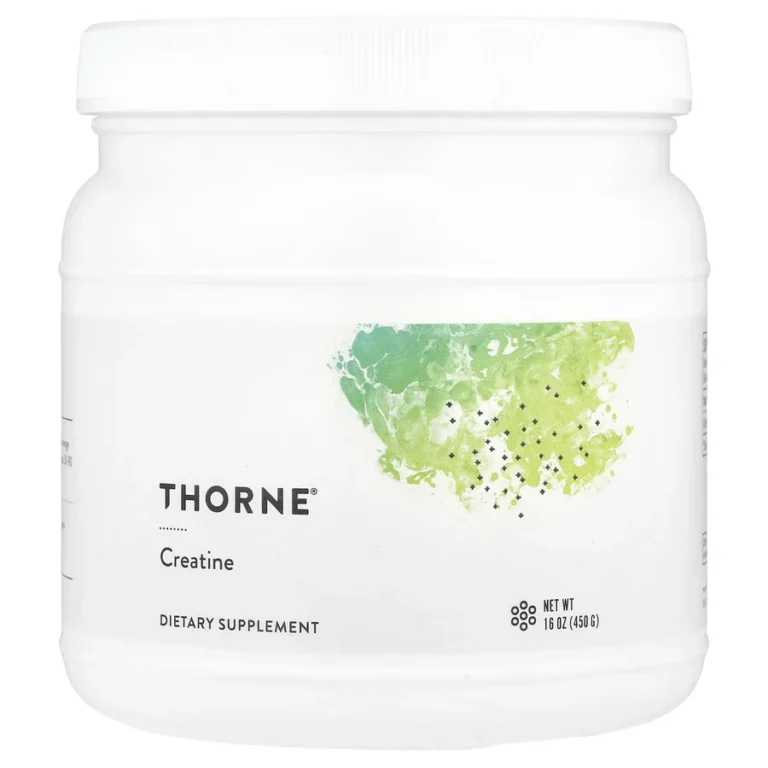
- Overall Pick For Tested Athletes: Thorne Creatine. A straightforward 5 g scoop, 90 servings, and NSF Certified for Sport coverage for specified US 450 g lots. Confirm that your lot is covered.
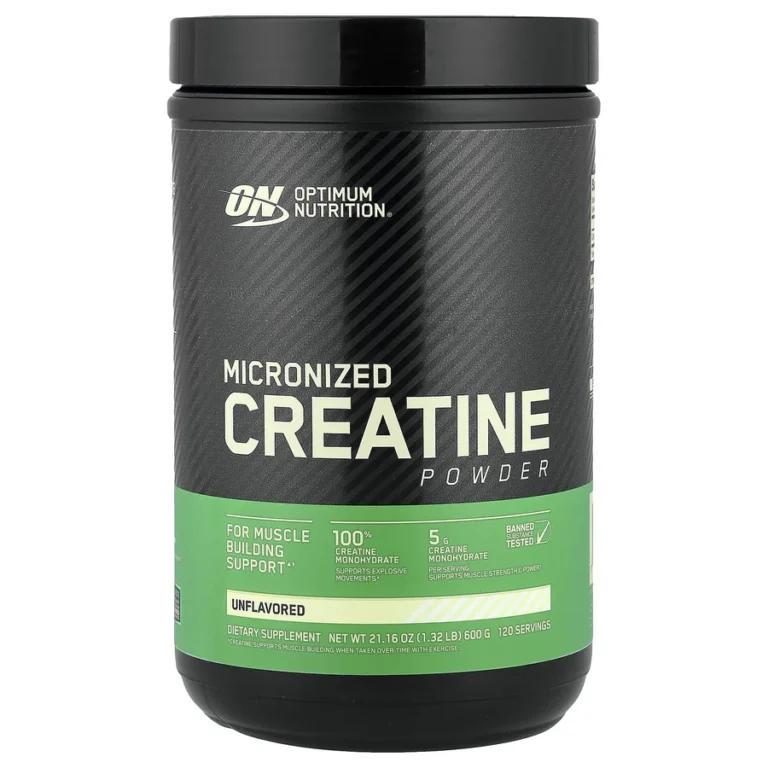
- Bulk-Tub Pick: Optimum Nutrition Micronized Creatine. The largest reviewed pack, with 120 servings. Compare its checkout price per serving before assuming it’s the cheapest.
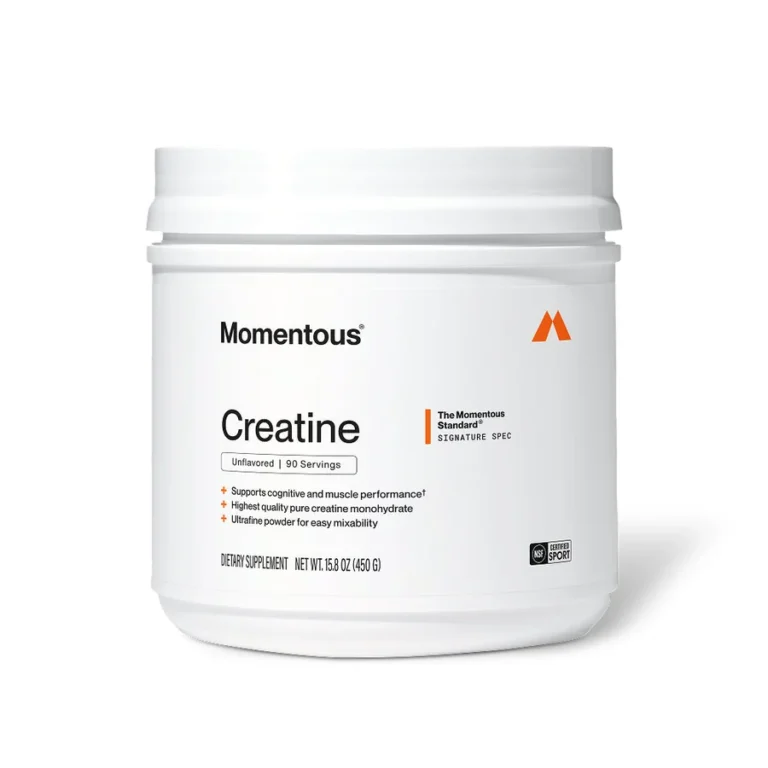
- All-Lot NSF Coverage Pick: Momentous Creatine Monohydrate. The reviewed 450 g Signature Spec formula has all lots listed in the NSF Certified for Sport directory.
- German-Sourced Creapure Pick: Nutricost Creapure. A 100-serving tub made with German-manufactured Creapure from AlzChem.
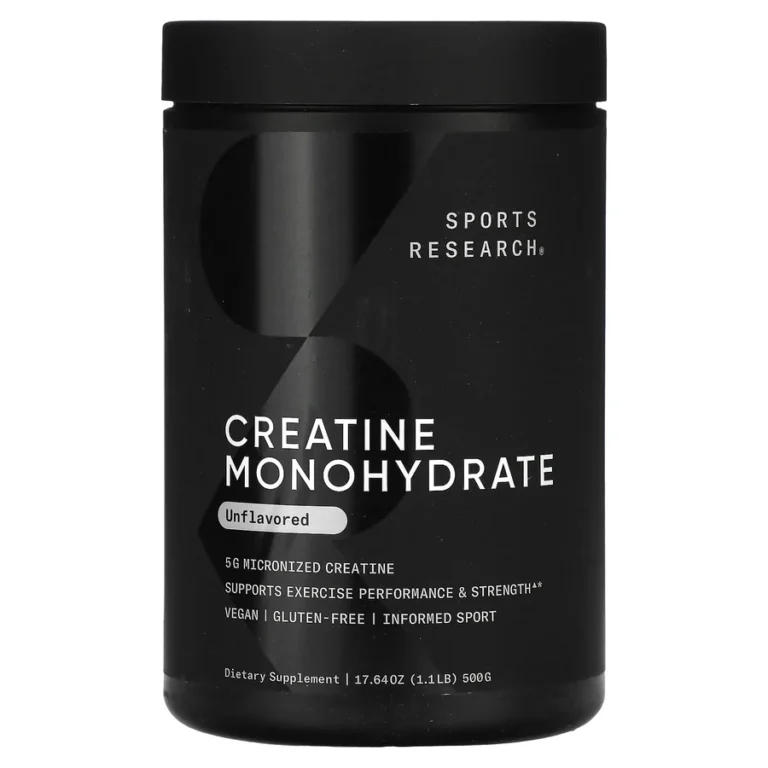
- 500 g Informed Sport Pick: Sports Research Creatine. A micronized powder with 100 servings and Informed Sport certification on the reviewed 500 g listing.
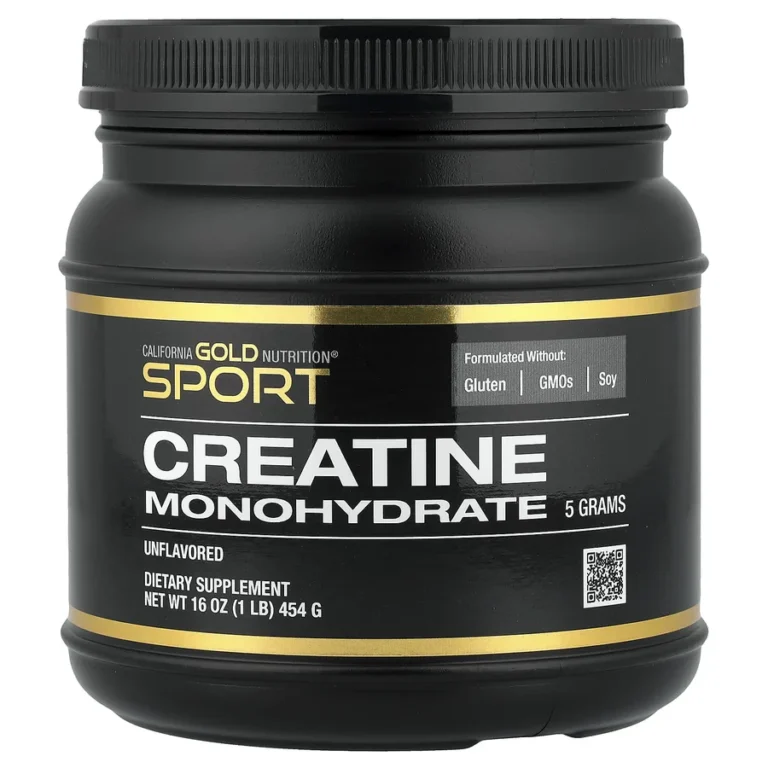
- No-Frills Starter Pick: California Gold Nutrition SPORT Pure Creatine. A simple 1-pound tub containing about 91 servings.
Start with monohydrate. It’s the best-established form for supporting strength, power, and lean muscle gains alongside training. A higher price for gummies, liquid creatine, or creatine ethyl ester isn’t evidence of better results. Gummies are a delivery format and may themselves contain monohydrate, so check the actual ingredient and amount rather than judging by format alone.
Compare Six Reviewed Creatine Monohydrate Powders Side By Side
All six provide 5 g of creatine monohydrate per labeled serving; the differences below can help you choose the right pack.
On a phone, swipe the table sideways to see all columns. With a keyboard, focus the table and use the arrow keys.
| Product And Pack | Creatine Per Serving | Servings Per Tub | Third-Party Testing & Purity | Best For |
|---|---|---|---|---|
| Thorne Creatine Unflavored, 450 g |
5 g creatine monohydrate | 90 | NSF Certified for Sport for specified US 450 g lots; verify your lot | A straightforward sport-certified training staple |
| Momentous Creatine Monohydrate Signature Spec, unflavored, 450 g |
5 g creatine monohydrate | 90 | NSF Certified for Sport; all lots listed for the reviewed US 450 g formula | All-lot NSF coverage on the current formula |
| Sports Research Creatine Monohydrate Unflavored, 500 g |
5 g micronized creatine monohydrate | 100 | Informed Sport certified on the 500 g listing | A 100-serving tub with Informed Sport certification |
| Nutricost Creapure Unflavored, 500 g |
5 g Creapure creatine monohydrate | 100 | German-manufactured Creapure from AlzChem; third-party tested | Buyers who specifically want Creapure sourcing |
| Optimum Nutrition Micronized Creatine Unflavored, 600 g |
5 g creatine monohydrate | 120 | Informed Choice banned-substance tested | The most servings in one reviewed tub |
| California Gold Nutrition SPORT Pure Creatine Unflavored, 454 g (1 lb) |
5 g creatine monohydrate | About 91 | Single-ingredient monohydrate; no named sport certification documented for this pack | A simple 1-pound starting option |
The Momentous entry is the Signature Spec formula, not its earlier Creapure version. Match the exact formula and pack before relying on any certification listed here.
Detailed Reviews Of The Six Top Creatine Powders
Choose around the differences that matter to your routine. A sport certification can help inform an athlete’s purchase, while a larger tub may mean fewer reorders. Neither establishes a greater training benefit. Likewise, a micronized label alone doesn’t establish faster dissolution, better absorption, or a grit-free drink.
Thorne Creatine: A 90-Serving Pick For Competitive Athletes
Thorne’s reviewed US 450 g tub contains unflavored creatine monohydrate with no other ingredients listed. One scoop provides 5 g, giving you 90 servings. Its main reason to make this shortlist is NSF Certified for Sport coverage for specified lots, rather than a special form of creatine.
Standout features:
- A single-ingredient formula with a clearly labeled 5 g scoop.
- Sport-specific certification for covered lots of the reviewed US pack.
Things to consider:
- Match the unflavored US 450 g pack, GTIN-12 693749006350, and verify your lot in the NSF directory. Don’t assume the listing covers every Thorne pack or lot.
With a covered lot, Thorne Creatine 450 g is a reliable training staple for someone who wants monohydrate’s established strength-and-power support alongside regular training, without extra ingredients. Its appeal is the straightforward formula and sport certification, not evidence that it produces better results than the other monohydrate powders here.
Momentous Creatine Monohydrate: All-Lot NSF Coverage For Serious Training
The reviewed Momentous tub is Signature Spec Creatine, unflavored, 450 g. It supplies 5 g of creatine monohydrate per scoop, with 90 servings and no other ingredients listed. All lots are listed in the NSF Certified for Sport directory for this version, making its certification coverage the clearest distinction from Thorne’s specified-lot listing.
Pay attention to the formula name when comparing reviews or retailer pages. This Signature Spec product is separate from the previous Momentous Creapure formula; descriptions of that older version shouldn’t be carried over to this tub.
Standout features:
- All-lot NSF Certified for Sport coverage on the reviewed US 450 g listing.
- A plain 5 g serving without additional active ingredients or flavoring.
Things to consider:
- Confirm that the pack says Signature Spec. The earlier Creapure formula is a different version, and its sourcing description doesn’t apply here.
Sports Research Creatine Monohydrate: Informed Sport Certification In A 500 g Tub
Sports Research offers 100 servings in its reviewed 500 g tub, ten more than the 450 g options. Each scoop contains 5 g of micronized creatine monohydrate, with no other ingredients listed. The 500 g product listing carries Informed Sport certification.
This is a practical option if you want that named sport-certification program and a 100-serving pack. The micronized description shouldn’t be treated as proof that it works better than the other powders or will dissolve completely in every drink.
Standout features:
- Informed Sport certification on the reviewed 500 g listing.
- 100 labeled servings of unflavored, single-ingredient creatine.
Things to consider:
- Match the 500 g unflavored pack, GTIN-12 023249091813. Don’t automatically extend its certification listing to other sizes or formulas.
Nutricost Creapure: German-Sourced Monohydrate In A 100-Serving Tub
Nutricost is the clear fit here if you specifically want Creapure, the creatine monohydrate raw material manufactured in Germany by AlzChem. The reviewed unflavored 500 g tub supplies 5 g per scoop and 100 servings, with no other ingredients listed.
Its distinction is sourcing, not a demonstrated advantage in strength gains. The product is described as third-party tested, but that wording isn’t interchangeable with the named sport certifications attached to several other options in this comparison.
Standout features:
- German-manufactured Creapure rather than an unspecified monohydrate source.
- A 500 g pack with 100 standard 5 g servings.
Things to consider:
- Match the Creapure version specifically. The Creapure name identifies the raw material; it doesn’t by itself establish NSF Certified for Sport or Informed Sport coverage for the finished tub.
Optimum Nutrition Micronized Creatine: The Largest Reviewed Tub At 120 Servings
The reviewed Optimum Nutrition pack contains 600 g of unflavored creatine monohydrate, enough for 120 labeled servings. It’s the largest tub in this comparison and a sensible place to start if you want to reorder less often. Whether it’s the best value still depends on the price you actually pay.
There are no other ingredients listed, and the product carries Informed Choice banned-substance testing. Note the serving measure: the label specifies one rounded teaspoon (5 g), not a 5 g scoop. Its micronized description doesn’t establish a measured mixing advantage over the other exact products.
Standout features:
- 120 servings, the most among these six reviewed packs.
- Informed Choice banned-substance testing.
Things to consider:
- Match the unflavored 600 g pack, GTIN-12 748927023855, and follow its rounded-teaspoon serving measure.
- Informed Choice and Informed Sport are different program names. Don’t treat their listings as interchangeable.
California Gold Nutrition SPORT Pure: A Simple 1-Pound Starter Tub
California Gold Nutrition keeps the formula straightforward: 5 g of creatine monohydrate per scoop, with no other ingredients listed. The reviewed 454 g, or 1-pound, tub provides about 91 servings. That makes it a plain starting option without committing to the larger 600 g pack.
The formula simplicity is its clearest selling point. It shouldn’t be called the cheapest without checking current prices, and athletes shouldn’t assume it has the named sport-certification coverage shown for other products here.
Standout features:
- A single-ingredient, unflavored formula.
- About 91 servings in a familiar 1-pound pack.
Things to consider:
- Match the 454 g SPORT Pure Creatine pack, GTIN-12 898220010592.
- No named sport certification is documented for this reviewed pack. If your sport requires one, choose based on a matching certification listing rather than the word SPORT on the label.
How To Choose Your Tub And Compare True Cost Per Serving
First decide whether you need a particular sport certification. If you do, narrow the choices to matching products and covered lots before comparing prices. If you don’t, pack size, sourcing preferences, and cost per 5 g serving become the more useful deciding factors.
Compare The Same Amount Of Creatine
Cost per 5 g serving = total container price divided by the number of 5 g servings. Use the price you’ll actually pay, and account for shipping or discounts consistently. A cheaper-looking tub may simply contain less powder.
- 450 g: 90 servings.
- 454 g: about 91 servings.
- 500 g: 100 servings.
- 600 g: 120 servings.
For a hypothetical example, a $30 tub with 120 servings costs $0.25 per serving. A $30 tub with 90 servings costs about $0.33 per serving. These are arithmetic examples, not current prices for any product in this guide.
Keep the comparison at 5 g even if your own daily routine uses a different amount. Otherwise, a product can look cheaper simply because its advertised serving is smaller. For more help, see the creatine dose calculator and creatine form decision matrix.
Creapure Sourcing And Sport Certification Answer Different Questions
Creapure identifies the raw material. It’s creatine monohydrate manufactured in Germany by AlzChem. Nutricost’s reviewed Creapure tub fits a buyer who specifically wants that source. German sourcing alone doesn’t demonstrate larger strength gains than other creatine monohydrate.
Sport certification identifies a testing program and its coverage. For the reviewed US 450 g products, Thorne’s NSF Certified for Sport listing covers specified lots, while Momentous Signature Spec has all lots listed. Sports Research’s reviewed 500 g listing is Informed Sport certified. Optimum Nutrition carries Informed Choice banned-substance testing, which is a different program.
These aren’t competing definitions of the same thing. A raw-material brand doesn’t replace a finished-product sport-certification listing, and a US product listing doesn’t mean its raw material was manufactured in the US. If banned-substance screening matters to your sport, check the exact product, version, and applicable lot coverage rather than relying on broad phrases such as “premium purity” or “third-party tested.”
Daily Dosing, Water Weight Reality, And Timing Rules
How Much To Take And Whether To Load
A commonly studied adult maintenance amount is 3-5 g daily, including rest days. Each reviewed product lists a 5 g serving, which falls at the upper end of that range. That’s a serving amount, not evidence that taking more will produce larger gains.
Loading is optional. A common research protocol uses 20 g per day, split into four separate 5 g amounts, for 5-7 days, followed by the maintenance amount. It is not a recommendation to take 20 g at once. You can also begin with the daily maintenance routine without a loading phase.
These are general research amounts, not a personalized plan or a promise of results by a particular day. Creatine supports training; choosing a more expensive tub doesn’t replace consistent strength work or establish that you’ll notice benefits sooner.
Understand The Early Scale Change
An initial increase of about 1-3 lb can reflect water held inside muscle cells, rather than new body fat. That muscle hydration is different from abdominal bloating, and the amount of weight change won’t be identical for everyone.
If you’re tracking body weight, keep this possibility in mind before interpreting an early increase as fat gain. If you compete in a weight-class sport, the scale change can still matter even though it isn’t fat. Abdominal discomfort shouldn’t automatically be dismissed as muscle hydration. See creatine weight gain explained for more context.
Choose A Time You Can Repeat
You can take creatine with a meal or a shake containing carbohydrate or protein. After a workout is a convenient option, but it isn’t a required window. Choose a daily time you’re likely to remember rather than making the routine depend on a precise workout schedule.
Follow the mixing directions on your exact container. Don’t assume every scoop is interchangeable: the reviewed Optimum Nutrition label uses a rounded teaspoon, while the other five list a scoop.
Keep the powder tightly closed in a dry place, and use a dry scoop or measuring spoon. Follow the storage instructions and date information on your tub. For storage questions, see does creatine expire?
Kidney Conditions And Blood Tests
If you have kidney disease, consult your clinician before using creatine rather than applying this general dosing guidance on your own.
Creatine naturally breaks down into creatinine, a substance measured in blood tests used to assess kidney function. Taking creatine can raise serum creatinine without kidney injury, so tell the clinician interpreting your tests that you use it and how much you take. An elevated result still deserves proper interpretation; don’t assume creatine makes every abnormal kidney test harmless.
Sources And References
- ISSN: International Society of Sports Nutrition Position Stand: Safety and Efficacy of Creatine Supplementation
- NIH ODS: Dietary Supplements for Exercise and Athletic Performance
- NSF Certified for Sport Product Listings
- Informed Sport Product Directory
- Creapure: Manufacturer And Raw-Material Information
- Thorne Creatine Product Label
- Optimum Nutrition Micronized Creatine Label
- Informed Sport: Check The Exact Product And Batch
Product information checked November 3, 2026. Formulas, servings, and lot-testing scopes may change; verify the exact Supplement Facts panel and directory record before purchasing.
See how we review evidence and our affiliate disclosure. This guide is educational and does not constitute individual medical or athletic training advice.
Where to buy
These are the reviewed packs, not a claim that a product is right for you. Retailer links can earn a commission; direct links are labeled.