
Creatine Causing Diarrhea? Check Serving Size, Loading and Other Ingredients
Creatine may contribute to diarrhea, and a small trial suggests that a large single serving can matter. That does not prove the cause of your symptoms. Check grams per serving, the daily total and added ingredients, not just scoop count. Persistent diarrhea or warning signs need medical advice, not another powder to try.
Seek prompt medical advice for severe pain, blood or black stools, dehydration, frequent vomiting, or high fever. Adults also need advice if diarrhea lasts more than two days.
On this page
Affiliate links: we may earn a commission if you buy, at no extra cost to you.
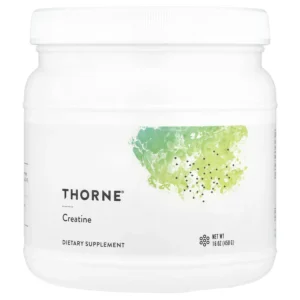
Label comparison option
Thorne Creatine
Unflavored, 16 oz / 450 g. A plain monohydrate label to compare with flavored blends, not a guarantee against diarrhea.
Check price at HerbsProRead the product analysisWhen diarrhea needs medical attention
Do not let label detective work delay care. Severe pain, blood or black stools, dehydration, frequent vomiting, high fever, or adult diarrhea lasting more than two days need medical advice. See NIDDK’s symptom guidance.
If you contact a clinician, have the product label and your recent intake notes available. You do not need to solve the ingredient question before asking for help.
What the small creatine study actually found
A 2008 study followed 59 male soccer players for 28 days, comparing one 10-gram serving, two 5-gram servings, and placebo. Diarrhea was more common with the single 10-gram serving. It does not establish diarrhea rates for creatine users generally or prescribe an intake plan. See the 2008 study abstract.
For background on the terminology you may encounter on labels, see our creatine overview.
Translate scoops and “loading” into actual totals
A scoop count is not the same thing as a gram amount. Check how many scoops the label calls one serving, the weight of that serving, and the amount of creatine it lists. Powder weight and creatine content belong in separate fields.
Likewise, “loading” does not tell someone how much you used. For your record, write the amount per occasion and the number of occasions that day. Keep the amount at one sitting separate from the daily sum.
The following numbers are invented label arithmetic—not suggested servings or a loading schedule.
| Log entry | Powder per occasion | Creatine per occasion | Daily creatine total |
|---|---|---|---|
| 1 scoop, once | 3 g | 2 g | 2 g |
| 2 scoops, once | 6 g | 4 g | 4 g |
| 2 scoops, twice | 6 g each | 4 g each | 8 g |
Scroll sideways for all columns.
In this example, a 6-gram powder serving is not 6 grams of creatine. If you logged another creatine-containing product that day, include its stated creatine amount separately. If the amount is not disclosed, mark it “unknown” rather than treating the blend’s total weight as creatine.
Read beyond the word “creatine”
Read both the named supplement ingredients and the other-ingredients list. Copy sweeteners, flavorings, and other additions rather than recording only the front-label product name.
Some sugar alcohols can contribute to diarrhea. See NIDDK’s diarrhea causes overview.
For a straightforward comparison on paper, place a plain, single-ingredient label beside the label of a blend. Check:
- Whether each label identifies the creatine form.
- Whether creatine grams are stated separately from the serving’s total weight.
- Which additional ingredients appear on one label but not the other.
This is a label-reading exercise, not a recommendation to buy a replacement powder for unassessed symptoms. You can compare ingredient lists without trying another product.
HCl is not a guaranteed gut fix
The 2008 study is not proof that creatine HCl solves gastrointestinal problems. See the study abstract.
If you are comparing forms, use our creatine monohydrate-versus-HCl comparison alongside the actual labels. Put form, creatine grams, serving definition, and additional ingredients in separate fields rather than comparing only the large print on the containers.
Our creatine form decision matrix offers another way to organize that comparison. When two labels differ in both form and ingredients, describe both differences; they are not a form-only comparison.
Build a timeline without turning it into a diagnosis
Diarrhea has many possible causes, including infections, medicines, and food intolerances. A supplement timeline alone does not prove causation. See NIDDK’s causes overview.
For an appointment, a short dated log is easier to check than a narrative reconstructed from memory. Include:
- The exact product name and a photo of its ingredient and serving-size panels.
- When you started using it or changed products.
- The amount recorded on each occasion and the daily total.
- When diarrhea began and the number of episodes you recorded.
- Other supplements, medicines, and notable food changes during the same period.
Separate what you know from what you are estimating. If you cannot remember a scoop count or find an ingredient amount, leave it marked as uncertain. A useful record does not require filling every gap.
FAQ
Can a creatine loading routine cause diarrhea?
A large single serving is one relevant concern, but the word loading does not describe what you took. Compare the grams at one sitting and the daily total. The small trial is not a loading prescription or proof that creatine caused your symptoms.
What if my pre-workout lists a blend but not the creatine amount?
Record the blend name, its listed weight, and the serving definition. Mark the creatine amount as unknown. Do not count the whole blend weight as creatine or invent a number to complete your daily total.
Do I need to buy a single-ingredient product to compare labels?
No. You can compare ingredient lists without buying or trying anything new. A plain label is a comparison aid, not a recommendation to treat symptoms with another powder.
References
Sources and linked labels checked October 7, 2026. General information, not a personal treatment plan.