
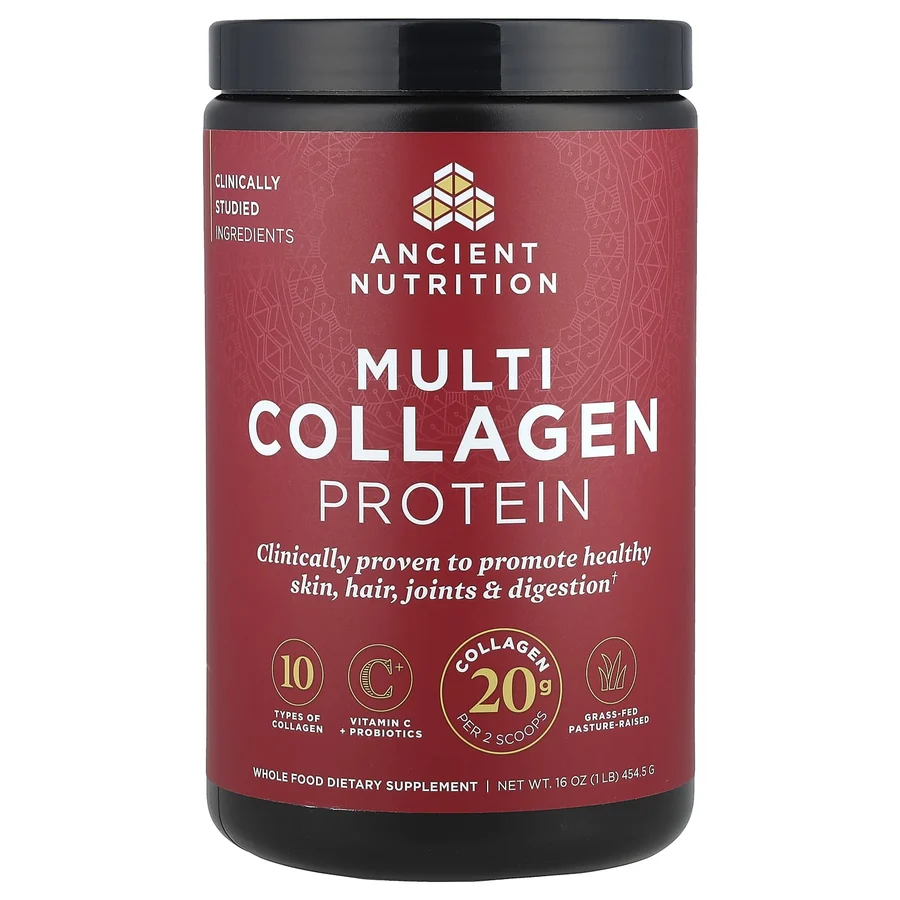
Ancient Nutrition Multi Collagen Protein 16 oz
Multi Collagen Protein · Unflavored · 454.5 g
Multi-collagen complex 10 g; protein 9 g; C 90 mg; probiotic 2 billion CFU at manufacture per label serving.
- Amount
- Multi-collagen complex 10 g; protein 9 g; C 90 mg; probiotic 2 billion CFU at manufacture
- Format
- Powder
- Review basis
- Label-based analysis
Good fit
people who want a one-scoop multi-source collagen and accept animal-source complexity
Consider another option
you avoid fish, egg, bovine, or chicken sources or want a simpler collagen label
The product, at a glance
Amounts for the reviewed label serving.
- Reviewed variant
- Multi Collagen Protein · Unflavored · 454.5 g
- Label serving
- 1 scoop (10.1 g)
- Servings per reviewed pack
- 45
- Ingredients per label serving
- Multi-collagen complex 10 g; protein 9 g; C 90 mg; probiotic 2 billion CFU at manufacture
- Ingredients & allergens
- Bovine, chicken, fish and egg sources; contains fish and egg; shared equipment also processes peanut, tree nut, milk, soy, wheat, sesame and shellfish
- Storage
- Cool, dry place
Label sources & rating context
~ means approximate; — means no published value in this record. Customer ratings are the named publisher’s snapshot and may include multiple sizes or earlier formulas. The Supplement Explained Score is our source-reviewed editorial assessment out of 25, separate from customer stars. Compare the five criteria and the same intended use; the total is not a clinical ranking. Prices are dated USD offer snapshots; cost uses the reviewed pack and label serving.
- Label clarity: 4/5
- Evidence transfer: 3/5
- Safety fit: 3/5
- Quality proof: 2/5
- Value fit: 2/5
On this pageTable of Contents
- 1Supplement Explained Score
- 2Who Ancient Nutrition Multi Collagen Protein 16 oz may fit
- 3Who should skip Ancient Nutrition Multi Collagen Protein 16 oz
- 4Ancient Nutrition Multi Collagen Protein 16 oz label facts snapshot
- 5What is in the formula?
- 6Strengths, tradeoffs, and red flags
- 7Price and value analysis
- 8Is there third-party testing or quality proof?
- 9Use-case fit, evidence limits, and safety
- 10Alternatives to compare
- 11Single-source powders to compare
- 12FAQ
Our editorial assessment
Supplement Explained Score
14/25
Ancient Nutrition Multi Collagen Protein 16 oz · Multi Collagen Protein · Unflavored · 454.5 g
Five equally weighted criteria, with a product-specific reason for every point. This is a buying-decision assessment, separate from customer stars and personal medical suitability.
- Label clarity 4/5
- Reviewed Multi Collagen Protein · Unflavored · 454.5 g: 1 scoop (10.1 g); 45 label servings. Multi-collagen complex 10 g; protein 9 g; C 90 mg; probiotic 2 billion CFU at manufacture. Companion-blend quantities, current variant or full-panel details remain less complete than the core active amount.
- Evidence transfer 3/5
- Multiple collagen types do not prove greater benefit; the mixed-source/probiotic formula is not a verified finished-product outcome trial.
- Safety fit 3/5
- Fish and egg plus shared-equipment allergens narrow fit; added live organisms need review in serious immune compromise.
- Quality proof 2/5
- No independent finished-powder report was verified; source diversity is not a purity certification.
- Value fit 2/5
- An undisclosed contribution from each collagen source and added probiotic make like-for-like comparison difficult.
Review basis: Published labels, manufacturer/retailer information, clinical sources and exact-product quality records where available. We did not buy, personally use or laboratory-test this product for this assessment.
Reviewed · Method v2.0 · How we assign points
Sources behind this score
- Retailer label
- 2025 collagen skin-aging review: study quality and funding
- 2025 collagen hydration/elasticity meta-analysis
- NIH ODS: probiotics
Product labels and independent directory records identify a formula or testing scope. Clinical references concern ingredients or studied regimens unless the explanation explicitly matches the finished formula.
Who Ancient Nutrition Multi Collagen Protein 16 oz may fit
- People who prefer a powder over a high capsule count.
- Shoppers who deliberately want several animal collagen sources in one product.
- People comfortable with bovine, chicken, fish, and eggshell-derived ingredients.
- Readers comparing cost per 10 g collagen serving rather than package price alone.
Use the collagen peptides guide to separate source and dose questions from broad beauty or joint marketing.
Who should skip Ancient Nutrition Multi Collagen Protein 16 oz
- Vegans, vegetarians, or people avoiding bovine, chicken, fish, or egg ingredients.
- People with relevant fish or egg allergy concerns.
- Shoppers who want a single-source hydrolyzed collagen powder.
- Anyone who requires a current public batch COA for heavy metals or contaminants.
If contaminant proof is central to the decision, start with the collagen testing map instead of assuming a premium-looking tub has complete public verification.
Proof status for this review
This is a label-based editorial review. We checked the public label, serving size, active amount, current retailer or brand information, named quality signals, ingredient evidence, and recurring public review themes. It is not a hands-on test, lab certificate, or medical recommendation.
The NIH Dietary Supplement Label Database confirms a label version, but we did not inspect this tub or review a current public batch contaminant report. Probiotic count at manufacture is not the same as a verified end-of-shelf-life count.
What is in the formula?
Each 10.1 g scoop lists 35 calories, 9 g protein, 90 mg vitamin C, and 10 g of a multi collagen complex. Sources include hydrolyzed bovine hide collagen peptides, fermented eggshell membrane collagen, chicken bone broth collagen concentrate, and fish collagen peptides.
The formula also lists Bacillus coagulans at 2 billion CFU at time of manufacture. That wording deserves attention: a manufacture-time number does not automatically establish the viable count when the product is consumed.
Collagen is an incomplete protein and should not replace a balanced protein plan. The key product question is whether multiple sources and extras add meaningful fit for you compared with a simpler collagen peptide powder.
Dose
Collagen complex
10 gClear enough for cost-per-serving comparison.
Added vitamin C
Per scoop
90 mgUseful label context, not proof of a product-specific outcome.
Probiotic wording
Count timing
At manufactureDo not assume this equals the count at consumption.
Dietary fit
Biggest constraint
Multiple animal sourcesMore types do not make the product universally suitable.
Strengths, tradeoffs, and red flags
What looks strong
- Useful collagen amount: 10 g per scoop is easy to compare.
- Powder convenience: one scoop avoids capsule burden.
- Source transparency: bovine, chicken, fish, and eggshell inputs are named.
- Label availability: a version is available through the NIH Dietary Supplement Label Database.
What may change the decision
- Allergen and dietary complexity: fish and egg sources matter, as do bovine and chicken preferences.
- Broad marketing surface: multi-type language can imply more certainty than evidence supports.
- Taste and odor: fishy or animal-source notes appear in public reviews.
Red flags before you buy
- Do not assume five collagen types produce five proven clinical benefits.
- Check fish and egg allergen context and current label wording.
- Do not treat collagen protein as a complete protein replacement.
- Ask for current contaminant proof when heavy-metal testing is a deciding requirement.
Price and value analysis
No matched fresh USD serving-cost benchmark was available for the score review. The reviewed Multi Collagen Protein · Unflavored · 454.5 g supplies 45 label servings of Multi-collagen complex 10 g; protein 9 g; C 90 mg; probiotic 2 billion CFU at manufacture, using 1 scoop (10.1 g) per serving. An undisclosed contribution from each collagen source and added probiotic make like-for-like comparison difficult.
Per scoop
Serving cost
About $0.89Based on 45 servings at the checked price.
Per collagen gram
Dose-normalized cost
About $0.09Useful when comparing powders with different scoop sizes.
Premium feature
What costs extra
Multiple sources + extrasDecide whether those features matter to your actual goal.
Use the price per effective dose calculator when package size, serving burden, or active amount makes two products look more similar than they are.
Is there third-party testing or quality proof?
The label identifies source types and has an NIH DSLD record, which supports transparency. We did not review a current public batch COA covering heavy metals, microbial contaminants, and identity for this exact lot.
For collagen, source and contaminant documentation matter more than vague purity language. The product’s probiotic statement should also be read exactly as written: count at manufacture.
Use-case fit, evidence limits, and safety
Collagen research is outcome-specific and mixed. A 2025 systematic review and meta-analysis found apparent skin benefits in pooled trials, but those effects disappeared in non-industry-funded and higher-quality subgroups, leading the authors to conclude that current clinical evidence does not support collagen for preventing or treating skin aging.
Joint research uses different collagen types, doses, populations, and outcomes. Ingredient-level findings cannot prove that this multi-source consumer powder produces a specific benefit.
Safety boundary
- Fish and egg source material matters for relevant allergies.
- Pregnancy, chronic disease, or a medically restricted diet may require professional review.
- GI symptoms such as bloating or taste-related nausea can affect adherence.
- Use a complete dietary protein plan rather than relying on collagen as the main protein source.
If medicines, pregnancy, surgery, kidney or liver disease, abnormal labs, or multiple supplements are part of the picture, use the supplement interaction checklist and involve a qualified clinician or pharmacist.
Alternatives to compare
Compare source simplicity, testing proof, collagen grams, sensory fit, and cost rather than choosing by the number of collagen types.
Single-source powders to compare
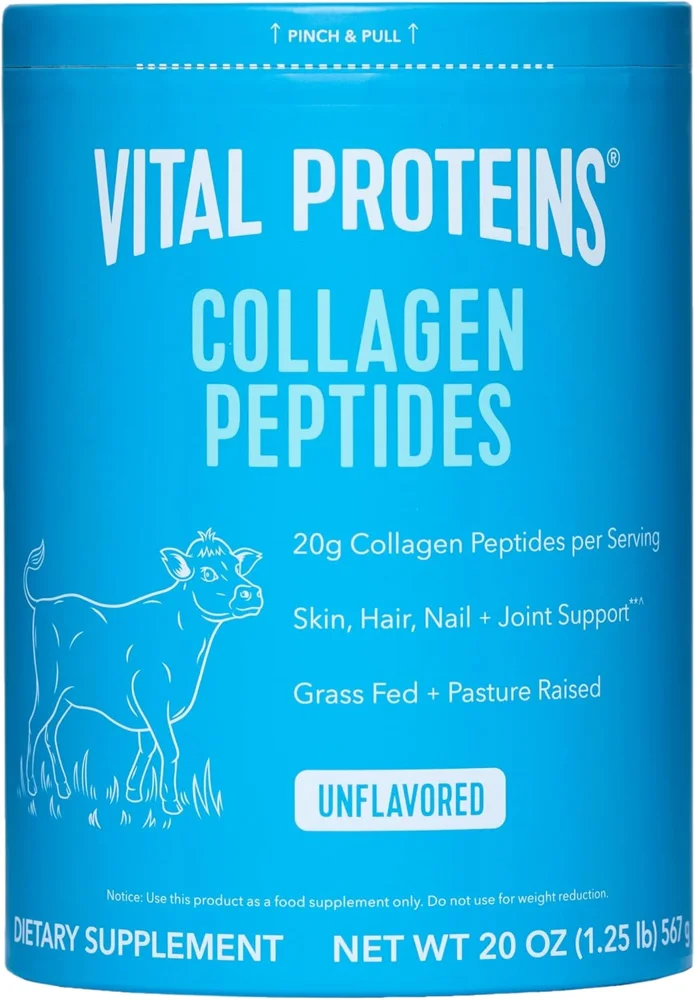
Vital Proteins Collagen Peptides Unflavored 20 oz
Single-ingredient bovine powder with 20 g collagen per labeled serving.
Check price at Amazon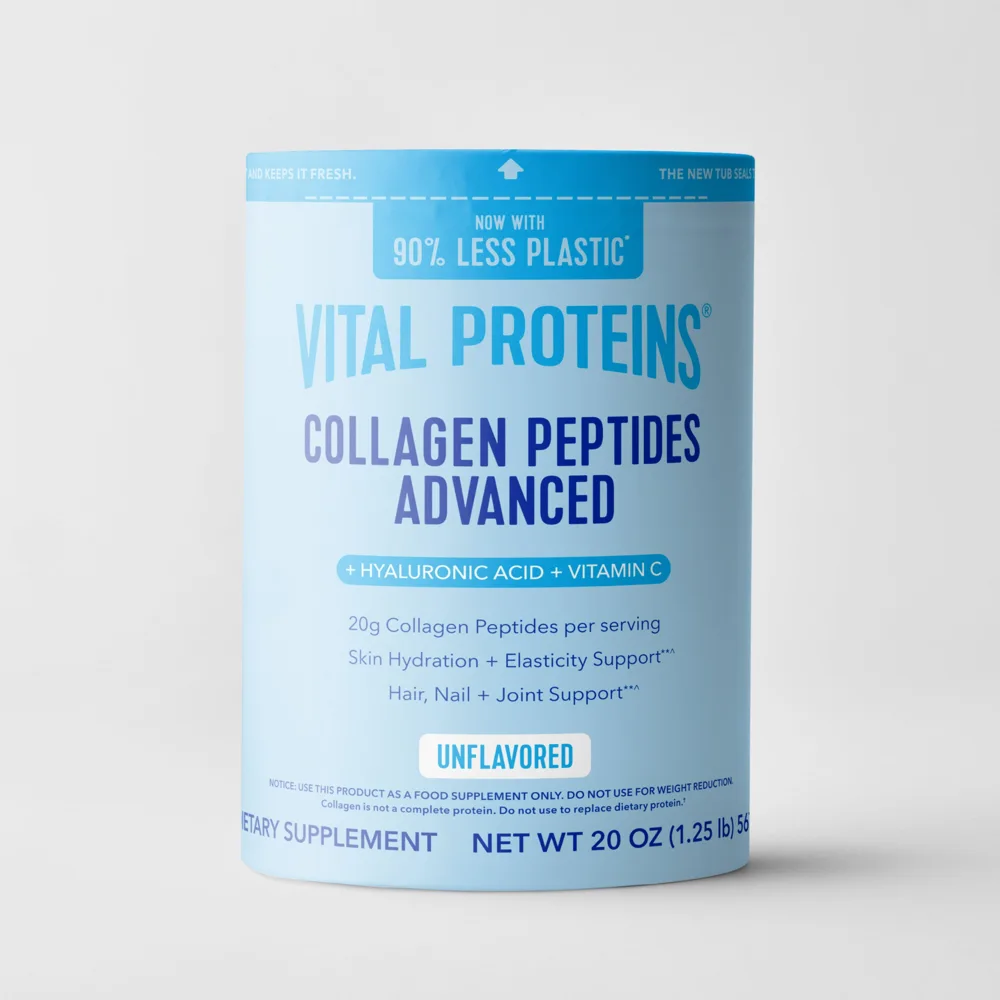
Vital Proteins Collagen Peptides Advanced Unflavored
20 g collagen with vitamin C and hyaluronic acid; compare the extras with plain powder.
Check price at AmazonAffiliate links: we may earn a commission if you buy. Check the selected size, seller and current label on Amazon.
FAQ
How much collagen is in one scoop?
One scoop provides 10 g of the multi collagen complex and 9 g total protein.
Is Ancient Nutrition Multi Collagen vegan?
No. It contains bovine, chicken, fish, and eggshell-derived ingredients.
Does it contain fish and egg ingredients?
Yes. Those sources are relevant for dietary preferences and allergy assessment.
Does the probiotic count apply through expiration?
The reviewed label states 2 billion CFU at time of manufacture, which is not the same as a verified end-of-shelf-life count.