
Practical supplement guide
Creatine for vegans: who may benefit and how to check the product
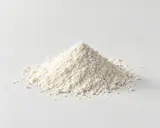
Creatine may benefit vegan athletes, especially during repeated high-intensity efforts, but it is an optional training supplement, not an essential vitamin or proof that a vegan diet is deficient. To choose an animal-free product, check the full formula, including capsule shells and flavorings, rather than relying on the word "creatine" alone.
If you have kidney disease, take medicines, are pregnant or are considering creatine for a child, discuss it with a clinician before use. For digestive symptoms, see the guide to creatine, serving size and diarrhea. If you have kidney blood tests, tell the clinician you take creatine and review what a high creatinine result can and cannot tell you.
Affiliate link: we may earn a commission if you buy.
Muscle stores and training benefits
Your body makes creatine. Meat and fish also supply it through food, which helps explain why people who avoid them often have lower muscle creatine stores. Lower stores are not a diagnosis of deficiency. Creatine also does not replace protein or vitamin B12.
A 2020 systematic review of creatine supplementation in vegetarians found that supplementation can increase creatine stores and improve some performance measures. Starting with lower muscle stores can allow a larger rise in those stores, but the review did not establish that vegetarians consistently gain more performance benefit than omnivores. The included studies had moderate to high risk of bias.
The review also found inconsistent evidence that vegetarians have lower brain creatine stores. Lower muscle stores do not prove lower brain stores, and brain benefits from supplementation are not guaranteed.
How to check whether creatine is vegan
Supplemental creatine can be made synthetically rather than extracted from meat or fish. Synthetic creatine monohydrate is generally vegan, but that does not establish whether the finished product is animal-free. The exact formula, capsule shell and flavorings still matter. The gelatin-free supplement checklist explains how to check all three.
| Product format | What to check |
|---|---|
| Plain powder | Check whether the ingredient list contains only creatine monohydrate and whether that exact product is labeled vegan. |
| Capsules | Check both the contents and the capsule shell. Gelatin is animal-derived; confirm that any alternative shell is vegan. |
| Flavored powder or blend | Check every added ingredient and flavoring. A vegan creatine ingredient does not establish that the whole blend is vegan. |
For example, NOW labels its creatine monohydrate powder as vegan. That label applies to the named product, not every formula sold by the brand. If a shell or flavoring's origin is unclear, ask the manufacturer about the exact product before buying.
If you decide to use creatine
Creatine monohydrate is the best-studied form. If you are comparing it with another form, the creatine monohydrate versus HCl guide explains the differences.
A loading phase is not required. For dose guidance, see the creatine supplement guide rather than assuming you need a loading regimen.
NIH notes that creatine commonly causes some weight gain through water retention. That water weight is not fat gain, which matters if you are using the scale to judge changes in body composition.
Sources
Sources and labels checked October 15, 2026. How we review. General information, not personal medical advice.