
Hair Shedding After Weight Loss: What to Check First
Start with the timing, what the change looks like, and a review of what you are actually eating. Significant weight loss can precede delayed shedding, but it does not identify the cause. Check for an identified dietary gap before choosing supplements, and bring your medication list and scalp changes to a clinician.
This is general education, not individualized medical advice. New patches or scalp changes deserve medical evaluation rather than a trial of hair pills.
On this page
Affiliate links: we may earn a commission if you buy, at no extra cost to you.
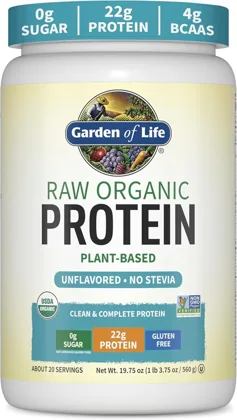
Label comparison option
Garden of Life Raw Organic Protein
Unflavored / No Stevia, 1.2 lb. An option for an identified protein gap, not a hair-loss treatment or a complete meal. Contains sesame.
Check price at AmazonRead the product analysisWhy shedding can appear after the diet change
Significant weight loss can precede delayed shedding. But a sequence of events is not proof of cause, and timing alone cannot identify the problem. See AAD's explanation of hair shedding.
Make a simple timeline with separate entries for when weight loss began, when eating patterns changed, and when you first noticed the hair change. Mark approximate dates as estimates instead of filling in gaps from memory.
Wegovy's June 2026 label lists hair loss among reported adverse effects. That does not prove it caused your shedding or establish the same effect across its drug class. See the prescribing information.
Shedding, breakage and patches are different questions
Describe the change before giving it a name. Your notes might say:
- More loose hairs noticed during washing or brushing.
- Short pieces that look broken, rather than whole strands.
- A change mainly around the part or hairline.
- A distinct patch or a visible change in scalp skin.
Record where you notice it and whether its appearance changes over time. Use these as observations, not a diagnosis. For background, see AAD's discussion of shedding and hair loss.
Food and supplement checks before buying hair pills
Too little energy or protein, or a deficiency such as low iron, may contribute. More is not automatically better: excessive nutrients can also harm. AAD's hair-loss tips explain these concerns.
Before shopping, prepare a short inventory:
- Write down meals and snacks from a few representative days, including unusually busy days.
- Mark the protein-containing foods you actually ate, rather than what you intended to eat.
- Note foods or whole meals you removed during the weight-loss effort.
- List every supplement, its serving size and how much you currently use.
When reviewing hair, skin and nail supplements, compare the actual Supplement Facts panels rather than front-label promises. Include multivitamins and powders in the same list.
Bring that inventory to your appointment. The hair-loss blood tests before supplements guide can help organize questions about testing; it is not a reason to order every test yourself.
When scalp or symptom changes need evaluation
Weight loss does not rule out scalp disease, patterned loss or other causes. Patches, scalp changes or a changing pattern deserve assessment rather than an assumption that dieting explains everything. See AAD's guidance on diagnosis and treatment.
When arranging an appointment, say whether the hair change is your only concern or whether you also have scalp discomfort, visible skin changes or other symptoms. Ask whether those details affect how soon you should be seen.
Keep the scheduling question separate from the shopping question. You do not need to choose a hair supplement before describing the problem to a clinician.
What protein, iron, biotin and collagen can and cannot do
Protein powder: At most, it can fill an identified dietary protein gap; it is not a hair-loss treatment. If you already use a product such as Garden of Life Raw Organic Protein, record its protein per serving and your actual use. For nutritional context, see AAD's hair-loss tips.
Iron, biotin and collagen: Ask what specific assessed need a product would address. Supplement selection should follow that assessment, not a universal recommendation to take iron or biotin. See AAD's supplement guidance.
The biotin-versus-collagen comparison can help organize product questions. Neither should be treated as a catch-all answer, and a supplement cannot guarantee regrowth or a fixed recovery timeline. See AAD's shedding guidance.
What to record for a dermatologist
A one-page record lets you bring the relevant details without deciding in advance what caused the change. Keep it manageable: a few representative notes and dated photos, rather than trying to document every strand.
| Record | Details to bring |
|---|---|
| Weight change | Approximate dates and amounts, if known. |
| Food changes | Meals or foods removed; representative eating days. |
| Medication list | Names, formulations and start dates. |
| Hair and scalp | When, where, visible changes and discomfort. |
| Supplements | Labels, serving sizes and actual use. |
| Photos | Dates, same area and similar lighting. |
Scroll sideways for all columns.
Put your main questions at the bottom of the page:
- What possible causes are being assessed?
- Would any testing answer a specific question?
- If a supplement is proposed, what need would it address?
Also note which details are uncertain. An honest estimate is more useful than a precise date you cannot reliably remember.
FAQ
What if I do not remember exactly when the shedding began?
Use an approximate month or season and label it as an estimate. Keep the start of weight loss, eating changes, medication starts and the hair change as separate entries rather than combining them into one date.
Should I ask for every hair-loss blood test?
Ask which tests, if any, would answer a question raised by your history. Bring your food, medication and supplement notes so the conversation starts with your situation rather than a self-selected testing checklist.
What should I bring if I already bought hair gummies?
Bring the package or a clear photo of the Supplement Facts panel. Record your actual serving size and all other supplements you use. Ask what assessed need, if any, each product is meant to address.
References
Evidence and linked labels checked October 5, 2026. General information, not a personal treatment plan.