
Protein Shakes on GLP-1 Medicines: What to Check
A protein shake can be an option when appetite is low on a prescribed GLP-1 medicine, but it does not automatically replace a meal. Compare the portion you can finish, calories, ingredients and mixing liquid. Review persistent eating difficulties with your care team rather than relying on a powder alone.
Persistent vomiting, severe abdominal pain or inability to keep food or fluids down needs prompt medical care. Ask a pharmacist about food timing for your exact medicine; tablet and injection instructions differ.
On this page
Affiliate links: we may earn a commission if you buy, at no extra cost to you.
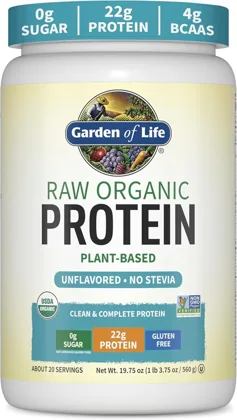
Label comparison option
Garden of Life Raw Organic Protein
Unflavored / No Stevia, 1.2 lb. An option for an identified protein gap, not automatically a complete meal. Contains sesame.
Check price at AmazonRead the product analysis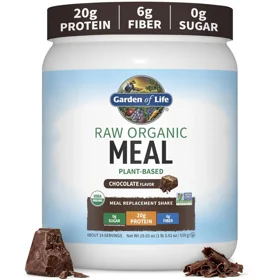
Label comparison option
Garden of Life Raw Organic Meal
Chocolate, 14 servings. Compare the full nutrition panel and accompanying food; a 150-calorie scoop is not automatically a complete lunch.
Check price at AmazonRead the product analysisWhen a shake helps—and when food is missing
When appetite is low, begin with the eating occasion, not the tub. Write down what you would normally have, what you actually ate, and what you are considering adding or replacing. That makes the question more concrete than asking which powder is best.
- Would the shake sit beside a snack or stand in for lunch?
- What food or drink would disappear from the day if you used it?
- Are you comparing a full prepared serving or only the amount you expect to finish?
Keep the food-first versus supplement-first question practical: what are you already eating, and what would the shake change?
Protein-only versus meal-replacement labels
A protein shake adds protein; a meal replacement needs a broader calorie-and-nutrient check (nutrition consensus). Front-label wording is a starting point, not the whole comparison.
| Label detail | Protein powder | Meal-replacement product |
|---|---|---|
| Protein | Read grams per serving. | Read grams alongside other nutrients. |
| Calories | Include the mixing liquid. | Include liquid and accompanying food. |
| Other nutrients | Check what else is listed. | Check fat, carbohydrate, vitamins, and minerals. |
| Serving size | Confirm scoops and powder weight. | Confirm portion and preparation directions. |
| Place in the meal | List foods eaten alongside it. | List the food it would replace. |
Scroll sideways for all columns.
For more on this distinction, see protein powder versus meal replacement. Keep the full nutrition panel with your notes—not just the protein number.
Compare serving volume, ingredients, and tolerability
Compare products as prepared drinks. Powder mixed with water and powder mixed with milk require different label calculations. Record each component rather than copying only the powder’s nutrition panel.
- Finished volume: Note the liquid amount in the directions and the amount you actually use.
- Ingredients: Copy anything you want to ask about, including sweeteners, added fiber, or flavorings. For personal food restrictions, read the full ingredient and allergen information.
- Texture and flavor: Write down your preferences rather than making protein grams your only comparison.
- Your experience: Record the recipe, amount finished, and any symptoms you want to discuss.
If bloating is part of your notes, see the separate protein-powder bloating guide. Keep those notes attached to the exact product and preparation details.
Small-food alternatives and a realistic day
A shake is not the only item you can put on the page. Write down foods you already enjoy, such as yogurt, eggs, tofu, beans, or leftovers, and the portions you actually ate. These are planning examples, not a prescribed menu.
To sketch a realistic day, use three columns on paper: time, food or drink, and amount finished. Include ordinary snacks and mixing liquids. Leave blank spaces visible rather than filling them with an imagined perfect day.
Then write a possible change underneath: a shake alongside breakfast, a different afternoon snack, or a drink considered in place of a meal. Ask your care team to review the whole day, including what that change would remove—not just what the powder would add.
Muscle support is not just a scoop
An expert consensus, largely based on indirect evidence, emphasizes nutritional adequacy and resistance activity for muscle support—not one ideal powder.
Write down the activities you currently do, anything you want to ask about, and what a typical week looks like. Bring that list with your food record. Ask your clinician what activity is appropriate for you; a powder label cannot make that decision.
Questions to bring to your prescriber or dietitian
Bring the product label or a clear photo, preparation details, and your recent food-and-drink notes. Useful questions include:
- What should we assess in my overall eating pattern?
- What individual nutrition goals should guide this choice?
- Which label details or ingredients should I flag for you?
Ask your pharmacist about medicine-specific food timing; tablet and injection instructions differ.
Seek prompt medical care for persistent vomiting, inability to maintain food or fluids, or severe abdominal pain. See the Wegovy label.
If you are also considering vitamins, check dietary gaps and overlapping products first.
FAQ
Do I need a protein powder marketed for people taking GLP-1 medicines?
Use the same label checklist regardless of the marketing: prepared portion, calories, protein, other listed nutrients, ingredients, and finished volume. Bring those details to your care team instead of relying on a medication-related label phrase to answer your individual food questions.
How do I calculate the nutrients in a smaller portion?
For exactly half the powder weight listed as one serving, use half the powder’s listed nutrient amounts. Calculate the mixing liquid separately. This is label arithmetic, not a serving recommendation.
What if I only finish part of a shake?
Record the amount prepared, how much was left, and what else you ate or drank at that time. Keep the recipe with the note, including liquid and additions. That gives your prescriber or dietitian a more concrete record than the product name alone.
References
Evidence and linked labels checked October 5, 2026. General information, not a personal treatment plan.