
Protein Powder vs Meal Replacement
Choose by what is missing, not by the product name. A protein powder can add protein, but a meal you cannot finish may leave a wider food and energy gap. Neither a 150-calorie meal powder nor a 160-calorie protein shake automatically replaces lunch. Ongoing poor intake, weight loss, or swallowing trouble needs assessment.
Contact a healthcare professional for persistent difficulty finishing meals, weight loss, or chewing or swallowing trouble. Do not rely on switching powders to address these changes.
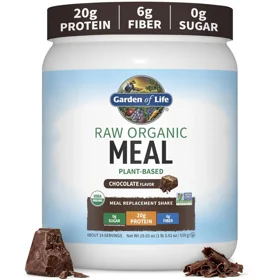
Garden of Life Raw Organic Meal
20 g protein, 6 g fiber and 150 calories with water.
That is not automatically enough energy for a full meal.
Check price at AmazonRead the product analysis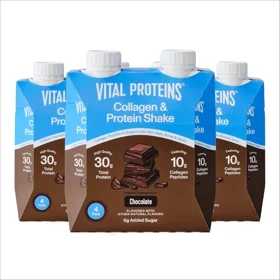
Vital Proteins Collagen & Protein Shake
30 g total protein, including 10 g collagen, per carton.
Contains milk. Not verified lactose-free or a complete meal.
Check price at AmazonRead the product analysisAffiliate links: we may earn a commission if you buy, at no extra cost to you.
- Separate adding protein from replacing missed food.
- Compare current serving calories, protein, and ingredients.
- Seek assessment for persistent poor intake or weight loss.
On this page
- Are you adding protein or replacing missed food?
- What do these three labels actually show?
- Does a meal replacement name make a drink a full lunch?
- How can a drink fit alongside food you can manage?
- What should you record if meals keep going unfinished?
- When is this more than a product-choice question?
- FAQ
- References
Are you adding protein or replacing missed food?
Protein powder fits the job of adding protein. If much of a meal is left uneaten, the question is broader: how to account for the missed food and energy, not simply how to raise the protein number.
Someone who eats their usual lunch and wants additional protein is making a different decision from someone who repeatedly cannot finish lunch. In the second situation, choosing the product with the most protein may leave the original problem unresolved.
The ESPEN guideline for older adults addresses both energy and protein through individualized nutrition support. It does not treat a protein total as a complete nutrition plan. A food-first approach starts with what you actually eat and where a supplement might have a supporting role.
What do these three labels actually show?
The three reviewed records show different protein amounts, and only two establish calories. Compare the same serving basis rather than assuming that a scoop, a carton, and a product called a meal are interchangeable.
| Product and serving basis | Calories | Protein | Other confirmed details |
|---|---|---|---|
| Garden of Life Raw Organic Meal Chocolate Reviewed panel: 1 scoop, about 38.5 g | 150 with water | 20 g | 6 g fiber |
| Vital Proteins Collagen & Protein Shake 325 mL carton | 160 | 30 g total, including 10 g collagen | Milk protein concentrate and bovine collagen; contains milk |
| Garden of Life Raw Organic Protein Unflavored / No Stevia Serving weight not established in the reviewed record | Not established in the reviewed record | Manufacturer states 22 g | 0 g sugar; no stevia |
Scroll sideways for all columns.
The meal-powder figures come from the reviewed one-scoop panel. Older panels have different fiber amounts and directions, so check the current package before measuring or comparing servings. For Raw Organic Protein, obtain the current calorie figure and serving details rather than borrowing them from another flavor or product.
Use these figures to compare what a drink adds, not to decide that it replaces everything missing from a meal.
Does a meal replacement name make a drink a full lunch?
No. The reviewed Raw Organic Meal serving mixed with water supplies 150 calories. That alone does not establish an adequate or balanced lunch. The amount of food missed and the person's energy and protein needs still matter.
A higher protein number does not settle the question either. The Vital Proteins Collagen & Protein Shake lists 30 g total protein, including 10 g collagen, within 160 calories. The collagen is already counted: this is not 40 g of protein, and all 30 g should not be described as complete protein.
Clinical oral nutrition supplements are a separate consideration. The ESPEN guideline includes them when appropriate within individualized care. Neither a brand's use of “meal” nor a retail powder's protein content automatically makes it a clinically appropriate oral nutrition supplement.
For the amino-acid question behind that total, see collagen versus protein powder for muscle.
How can a drink fit alongside food you can manage?
A drink can sit alongside the food you manage to eat rather than automatically replacing everything left behind. Keep three things separate: what the meal included, what you ate, and what the drink adds.
For example, suppose lunch is a sandwich and fruit, but you finish only half the sandwich. Adding one ready-to-drink carton would contribute the label's 160 calories and 30 g total protein. The full lunch total depends on the sandwich's ingredients and how much you ate. The carton alone does not show whether the missed food has been adequately replaced.
A smaller portion of a familiar meal, with another eating opportunity later, may be a more manageable starting point than a large meal. A familiar food alongside a drink is also different from powder and water alone: the added foods contribute their own nutrients and energy.
If you repeatedly cannot finish food, ask a healthcare professional to assess your intake and needs. A higher-protein product is not a substitute for finding out why eating has become difficult.
What should you record if meals keep going unfinished?
A brief meal log can make “I cannot finish lunch” more specific without requiring guessed calorie totals. Record the food offered, the amount eaten, any drink used, and what made finishing difficult.
- Meal: What foods and portions were available?
- Actual intake: What was eaten, left behind, or consumed later?
- Supplement: Which exact product was used, and how much of it was consumed?
- Difficulty: Was the meal interrupted, or was there poor appetite, chewing trouble, or swallowing trouble?
A useful entry might read: “Lunch: sandwich and fruit. Ate about half the sandwich; fruit untouched. No supplement. Stopped because I could not manage more food.” That is more informative than “had lunch,” which could conceal how little was eaten.
A description of the food eaten is useful even without a calorie total. Bring the record and current product labels to an appointment so the discussion starts with the food and drinks actually consumed. Do not delay seeking help while trying to produce a perfect log.
When is this more than a product-choice question?
Persistent poor intake, weight loss, or chewing or swallowing trouble calls for assessment rather than another product comparison. These concerns are specifically addressed in the ESPEN clinical nutrition guideline for older adults.
The guideline's scope is geriatrics, and a small appetite should not simply be dismissed as normal aging. It supports malnutrition screening and individualized decisions about energy, protein, food modification, and oral nutrition supplements when appropriate. It is not a universal instruction to take a particular powder or follow one protein target.
A healthcare professional can assess whether the issue is a missed eating opportunity, a broader pattern of poor intake, or difficulty managing food. Keep the product label available, but keep the unfinished meals at the center of that conversation. A shake choice should support an appropriate plan, not substitute for finding out why eating has become difficult.
FAQ
If I blend a powder with other foods, which nutrition numbers should I count?
Count the powder amount actually used plus the ingredients added. The powder-only numbers do not describe the finished blend. For Raw Organic Protein, first check the current package for calories and serving details; the reviewed record does not establish them.
Does no stevia mean a protein powder will be easier to tolerate?
No. No stevia and 0 g sugar describe the manufacturer's product information, not proven digestive tolerance. The reviewed evidence includes no exact-product gastrointestinal trial for Raw Organic Protein. Check the current ingredients against known allergies or prior reactions rather than assuming an unflavored powder will suit you.
Is the ready-to-drink shake milk-free or verified lactose-free?
It is not milk-free: the manufacturer identifies milk protein concentrate and lists milk as an allergen. Lactose-free status has not been verified. Do not infer lactose-free status from the sugar figure, and follow any established milk-allergy guidance.
Why might an older Raw Organic Meal package show different figures?
Older panels have different fiber amounts and preparation directions. Use the current package in hand, including its serving size, rather than combining an older scoop instruction with a newer nutrition panel. The table reflects the reviewed one-scoop record.
How can I compare cost without choosing only by protein grams?
Use package cost divided by labeled servings, then compare products intended for the same role. With entirely hypothetical numbers, a $24 package containing 12 servings costs $2 per serving. That calculation does not establish that one serving replaces the food missed.
References
Labels and evidence checked October 4, 2026. For general information, not a personal treatment plan.