
Goal guide
Protein Powder For Weight Loss: How To Keep Muscle In Mind
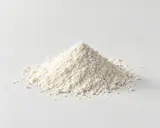
Protein powder can conveniently fill a protein gap during weight loss, but it doesn't burn fat or automatically protect muscle. If your meals already provide enough protein, you may not need it. Your overall eating plan and regular strength training matter more than adding a scoop.
What Protein Powder Can And Cannot Do During Weight Loss
Losing weight and losing body fat aren't exactly the same thing. During weight loss, the aim is usually to reduce body fat while keeping as much muscle and strength as possible. A lower number on the scale cannot tell you how much muscle you've kept.
Protein supports muscle repair and maintenance. Strength training gives your muscles work to do while you're eating less. That can mean using weights, resistance bands or suitable body-weight exercises. Powder is one way to supply protein, not a substitute for that training or for an adequate overall diet. NIH's exercise nutrition guidance notes that supplements aren't necessary when food supplies enough protein.
Trials show why an extra scoop isn't a guarantee. In a randomized study of middle-aged postmenopausal women with obesity, whey supplementation during diet-induced weight loss did not produce clinically important overall benefits for muscle mass or strength.
A different trial in older adults with obesity found better preservation of muscle in the arms and legs with a whey, leucine and vitamin D formula, compared with a same-calorie control supplement, during a calorie-restricted diet and resistance exercise program. That finding applies to a particular formula, population and routine. It doesn't establish that any powder will do the same thing or that everyone needs extra leucine or vitamin D.
Check Whether You Have A Protein Gap
Before buying powder, look at a few typical eating days, including a day when you don't train. Write down the foods and drinks you actually have and use available nutrition labels to count their protein. Include protein from meals, snacks and drinks, not just the foods you think of as your main protein source.
Then look for a recurring pattern. Do some meals regularly lack a protein food? Has cutting portions also removed much of the protein you used to eat? Or are you already covering an appropriate daily goal through ordinary meals? An occasional light lunch doesn't necessarily mean you need a daily shake.
Powder is most useful when you can identify a recurring shortfall and food is inconvenient or doesn't fit your preferences. It is less useful when your meals already cover your needs, or when you'd add it to an unchanged diet simply because protein sounds helpful for weight loss. If you don't know what daily amount fits your situation, a registered dietitian can help interpret your food record rather than starting with a scoop count.
Adding A Shake Vs Replacing Something
A shake's effect on your eating plan depends partly on whether it is extra food or replaces something you would otherwise eat. Its calories still count.
This is hypothetical arithmetic, not a recommended calorie target. Starting with an existing 1,800-calorie day:
| How You Use The Shake | New Daily Total |
|---|---|
| Add a 110-calorie scoop mixed with water. | 1,800 + 110 = 1,910 calories |
| Replace a 250-calorie snack with that scoop mixed with water. | 1,800 - 250 + 110 = 1,660 calories |
The second option reduces the calorie total, but it isn't automatically the better choice. A shake may be less filling than the snack it replaces and may not provide the same nutrients. If you become hungry and eat more later, the simple calculation won't describe your whole day.
Count what goes into the blender, too. Milk, nut butter and fruit all contribute calories. They can belong in an eating plan, but a scoop mixed into those foods is not the same calorie calculation as a scoop in water.
Food, Whey, Or Plant Protein?
Ordinary foods can fill a protein gap without a supplement. Depending on your preferences, that might mean including eggs, fish, chicken, yogurt, tofu, beans or other protein foods in meals. A mixed meal also has room for vegetables, fruit, whole grains and other foods that contribute fiber and variety. Powder alone doesn't replace that mix.
Whey is a milk protein, so it isn't vegan and isn't suitable for someone with a milk allergy. Lactose intolerance is different: it concerns lactose, the sugar in milk, rather than milk protein. If lactose is your concern, check the specific product's lactose information rather than assuming all whey powders are alike. A lactose-free claim does not make a milk protein safe for a milk allergy.
A plant-based powder can be an option for someone avoiding dairy or following a vegan eating pattern. That doesn't make it automatically better for weight loss, just as choosing whey doesn't establish a fat-burning advantage. Compare the protein per serving, calories, ingredients, allergens and how well the option fits your meals.
Food and powder don't have to compete. You might use ordinary food most days and powder when it makes an otherwise difficult meal or snack more practical.
If you are considering a shake as an entire meal, compare protein powder with a meal replacement before swapping.
How Much Protein And When?
Start with total protein across the day, not the number of scoops. NIH summarizes sports guidance of 1.2-2.0 grams per kilogram of body weight per day, with needs affected by training and energy restriction. A kilogram is about 2.2 pounds. That is athletic guidance, not a universal prescription for every adult losing weight or a reason to aim automatically for the top of the range.
Once you have an appropriate daily goal, count what meals already provide before deciding whether powder fills a gap. A scoop is a product serving, not a standard amount across all brands.
Include protein across your meals in a pattern you can maintain, including on nontraining days. A shake after exercise can be convenient, but a narrow postworkout window shouldn't take priority over getting enough protein consistently and doing regular resistance exercise.
You don't need to turn this into a supplement stack. The trials discussed above don't establish a need to add separate branched-chain amino acids, often called BCAAs, collagen or fat burners. Nor does the combination trial establish that everyone should add leucine or vitamin D to a protein powder.
A Plant Protein Option For A Real Gap
If your meals leave a protein gap and you want a plant-based powder without stevia, Garden of Life Raw Organic Protein, Unflavored No Stevia, 560 g is one option. Its role is to provide a convenient protein portion within a mixed eating plan, not to treat muscle loss or make fat loss happen.
The manufacturer's current product information lists 22 g of protein per scoop and directs mixing with 8-10 fl oz of liquid. The matching retailer listing identifies a 28 g scoop with 110 calories and lists sesame. The BCAAs are components of the listed protein, not extra protein grams to add to the total.
These details refer to the 560 g product with UPC 658010114158. The retailer's URL still contains "622g"; confirm the received container's identity and label rather than assuming every size or formula matches.
Count its calories, and don't use it as a complete meal replacement. Neither trial above tested this product, and no special advantage over another adequate protein food has been established. It makes sense only if its plant-based, unflavored format helps you cover an actual gap.
How To Tell Whether Your Plan Is Working
Don't judge the powder by a sudden scale drop. There is no fixed number of weeks after which a shake proves that it has preserved your muscle. Look at how the overall eating and training plan is working rather than attributing changes to one ingredient.
Keep a simple record of your usual meals and how the shake fits. Is it helping you meet your protein needs without unintentionally adding calories? Does it leave you satisfied, or are you hungry soon afterward? Is it crowding out meals that provide a wider range of foods? If the shake makes the routine harder, using food instead may be more practical.
Also pay attention to your resistance exercise. Tracking the same movements, weights and repetitions can help you notice changes in performance. Stable performance is useful context, but it isn't a direct measurement of muscle mass. Review patterns over time rather than one weigh-in or one difficult workout.
If you decide to stop using powder, the question is whether your meals still cover your protein needs. You don't need to keep buying it simply because it was part of the plan at the start.
If the drink leaves you hungry, our guide to hunger after a protein shake looks at the rest of the meal, too.
When A High-Protein Plan Needs Individual Advice
Get individual guidance before choosing a high-protein target if you have kidney disease, have been told to limit protein or follow a medically prescribed diet. Bring a few days of food notes and the powder's label so your clinician or registered dietitian can assess the actual plan, not just the supplement.
Seek medical advice if you're persistently weak, struggling to eat enough, losing weight faster than intended or noticing an unexplained decline in your ability to do usual activities. Those changes deserve a review of your diet and health rather than an automatic increase in scoops.
Sources
- NIH Office of Dietary Supplements: exercise, protein needs and sports supplements
- Randomized trial of whey supplementation during weight loss in postmenopausal women
- Trial of a whey, leucine and vitamin D formula during weight loss and resistance exercise in older adults
- Garden of Life: current unflavored no-stevia product details and mixing directions
- HerbsPro: matching 560 g product listing, nutrition and allergen information
General information, not individual medical advice. How We Review.