
Goal guide
Does Zinc Help Adult Acne? What To Know Before Trying It
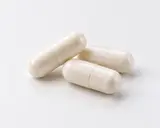
Zinc may help some red, inflamed acne bumps, but the evidence is mixed and it isn't a dependable stand-alone treatment. More zinc isn't automatically better: a pill supplying 50 mg of zinc already exceeds the adult daily upper limit of 40 mg, before you count food or other supplements. Keep established acne care in place rather than replacing it with zinc.
What Zinc Can And Cannot Do For Acne
The most encouraging finding concerns inflammatory papules, meaning raised, red acne bumps. Blackheads and whiteheads are clogged pores, also called comedones. A reduction in red bumps is useful, but it isn't the same as clearing clogged pores or treating every kind of acne.
The studies discussed below don't establish zinc as a dependable treatment for blackheads, whiteheads, or deep, painful breakouts. They also don't show that zinc pills repair existing acne scars. If scars are your main concern, fewer new bumps and improvement in existing scars are separate goals.
Getting enough zinc for normal nutrition is also different from taking extra zinc to treat acne. The 2020 review found lower blood zinc levels in people with acne, but that association doesn't prove low zinc caused their breakouts. It doesn't diagnose a deficiency in you or show that extra zinc will help when your intake is already adequate.
What The Trials Actually Tested
A review that combines studies can help identify a possible benefit, while a trial comparing two treatments answers a more specific question. Neither automatically tells you which supplement to buy.
| Evidence | What It Found | What It Doesn't Show |
|---|---|---|
| 2020 systematic review and meta-analysis | Zinc was associated with improvement in inflammatory papule counts. | A predictable benefit or one best preparation. The studies used different preparations, and the authors noted a lack of definitive evidence. |
| 2001 trial comparing zinc with minocycline | The antibiotic reduced acne lesion counts more than zinc. | How zinc compared with a placebo, or whether a current over-the-counter brand would produce the same results. |
The 2001 randomized, double-blind trial included 332 people. Researchers compared zinc gluconate supplying 30 mg of elemental zinc a day with 100 mg of minocycline a day for three months. Elemental zinc means the amount of zinc itself, rather than the weight of the whole zinc compound.
Minocycline was more effective at reducing lesion counts. Because both groups received an active treatment and there was no placebo group, the trial doesn't establish how much improvement zinc produced beyond what might have happened without active treatment. It wasn't a test of an over-the-counter brand, and 30 mg is a historical study amount, not a general recommendation for self-treatment.
These findings don't provide a dependable estimate of how much your acne would improve with zinc. They also don't establish when a visible change should start or how long any improvement lasts after stopping. The three-month study period describes how long researchers followed participants; it isn't a recommended course or a promise of results by that point.
Oral Zinc, Topical Zinc, And Sunscreen Are Different
Oral zinc is a supplement you swallow. Topical zinc is applied to the skin. Zinc oxide sunscreen uses zinc in a product intended for sun protection. Sharing the word "zinc" doesn't make these products interchangeable.
Research on zinc pills doesn't establish how well a zinc-containing cream treats acne. Likewise, zinc oxide in sunscreen isn't proof that the sunscreen treats breakouts. Keep sunscreen in its sun-protection role, and judge an acne treatment by evidence for that treatment rather than by the presence of zinc on its label.
Why A 50 mg Pill Is Not A Casual Acne Fix
The NIH Office of Dietary Supplements lists recommended daily zinc intakes of 8 mg for adult women and 11 mg for adult men, with different needs during pregnancy and breastfeeding. Those amounts are for nutrition, not acne treatment.
For adults 19 and older, the upper limit is 40 mg a day from food and supplements combined. It isn't a desired daily intake or an acne-treatment target. A 50 mg zinc pill exceeds that limit on its own. Even a lower supplement amount needs to be considered alongside food and other products, not treated as the whole day's intake.
Zinc supplements can cause nausea and other stomach upset. Taking 50 mg or more a day for weeks can interfere with copper absorption, potentially causing a shortage of another essential mineral. That is a reason to reconsider high zinc intake, not to add copper yourself and assume the problem is solved.
A copper-containing formula doesn't establish that a high zinc amount is appropriate for acne. It also doesn't make the acne evidence stronger. Avoid turning an uncertain acne supplement into a growing collection of supplements intended to offset one another.
For food sources and basic nutrient needs, use our zinc guide rather than treating an acne study amount as a daily nutrition target.
How Zinc Fits With A Realistic Skin Routine
The American Academy of Dermatology's 2024 acne guideline highlights recommend established skin-applied treatments and oral medicines when appropriate. Zinc isn't listed as a first-line stand-alone option. That absence isn't an explicit prohibition, but it doesn't support replacing established acne care with zinc pills.
If you already use an acne treatment, keep using it as directed rather than swapping it for zinc. Follow the instructions and review timing for that treatment. The zinc findings don't establish that adding a supplement will make your existing routine work better.
Keep track of what you're treating: red bumps, clogged pores, or deeper painful spots. Those are different outcomes. A simple record of the products you use and when you start or stop them can help make changes easier to interpret. Changing several things at once makes it harder to know what helped or caused irritation.
If your concern is getting enough zinc, start by considering your usual food intake and any supplements you already take. Meat, seafood, beans, and nuts are among the food sources of zinc listed by the NIH. These foods can contribute to ordinary nutritional needs; they aren't a proven acne treatment. A suspected nutritional shortfall and persistent acne may both deserve attention, but fixing one doesn't guarantee that the other will resolve.
What To Check Before Trying A Supplement
If you're still considering zinc, check the Supplement Facts panel, serving size, other supplements, and medicine list before choosing a bottle. The amount and form matter more than an acne claim on the front label.
Read The Zinc Amount Per Serving
On a US Supplement Facts panel, use the amount listed beside "Zinc." That is the elemental zinc amount. The compound name, such as zinc gluconate or zinc picolinate, identifies the form; the compound's full weight is not the amount of zinc to count. Check whether the listed serving is one pill or more than one.
Count Other Supplements Too
Check multivitamins and combination supplements for additional zinc. For a hypothetical example, a pill supplying 50 mg of zinc plus a multivitamin supplying 10 mg would total 60 mg a day from supplements alone. Food would add to that total. The separate labels don't make those amounts separate from one another in your daily intake.
A Trial Is Not A Brand Recommendation
A 15 mg zinc picolinate product is not the same amount and preparation as the zinc gluconate used in the 2001 trial. That doesn't prove picolinate is worse, and it isn't a reason to double the amount. Nor does a 50 mg label mean better acne results.
The trial doesn't identify a preferred retail brand. It also doesn't establish an acne benefit from adding copper, kelp, or other ingredients to zinc. A combination formula introduces differences that the zinc-versus-minocycline comparison didn't test.
Check Antibiotic Interactions Before Combining Them
Zinc can interfere with absorption of tetracycline and quinolone antibiotics, according to the NIH zinc fact sheet. This matters whether the antibiotic is for acne or another condition. Have a pharmacist check your exact medicine and explain any necessary spacing before combining it with zinc. Don't guess at a schedule or stop the antibiotic to accommodate the supplement.
Our zinc and copper safety guide explains why adding copper on your own is not a simple fix for too much zinc.
When To Get Help For Breakouts
Get clinical care for deep, painful nodules, breakouts that are leaving scars, or acne that persists despite a consistent treatment routine. These aren't reasons to keep increasing zinc or wait indefinitely for a supplement to work. An assessment can help match treatment to the kind and severity of acne you have.
If you're taking zinc on your own for acne and develop persistent nausea or new numbness, stop self-treating and get medical advice promptly. Bring the supplement labels and explain how much you've been taking and for how long. Don't try to manage new symptoms by adding copper at home.
You don't need to complete a high-dose zinc experiment before seeking acne care. A list of your current skin products, medicines, and supplements is more useful for that visit than a guess about which zinc form might be strongest.
Sources
- American Academy of Dermatology: Acne clinical guideline highlights, 2024.
- 2020 systematic review and meta-analysis of zinc levels and zinc treatment in acne.
- 2001 randomized, double-blind trial comparing zinc gluconate with minocycline for inflammatory acne.
- National Institutes of Health, Office of Dietary Supplements: Zinc fact sheet for health professionals.
General information, not individual medical advice. How We Review.