Protein for Older Adults With a Small Appetite
For an older adult with a small appetite, start by counting the food and drinks they actually finish, including calories as well as protein. Smaller portions of familiar foods may be more practical than a large serving. A powder or shake can be an option, but its label does not prove it replaces a meal or meets that person's needs.
Seek medical assessment for unintentional weight loss, persistent poor intake, or chewing or swallowing difficulty. With kidney disease, ask the treating clinician about protein needs before using a general target.
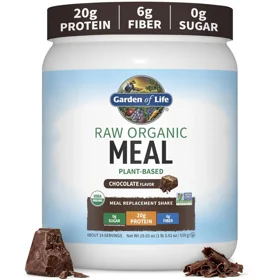
Garden of Life Raw Organic Meal
20 g protein, 6 g fiber and 150 calories with water.
That is not automatically enough energy for a full meal.
Check price at AmazonRead the product analysis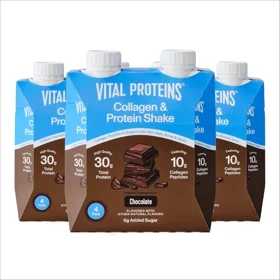
Vital Proteins Collagen & Protein Shake
30 g total protein, including 10 g collagen, per carton.
Contains milk. Not verified lactose-free or a complete meal.
Check price at AmazonRead the product analysisAffiliate links: we may earn a commission if you buy, at no extra cost to you.
- Count calories and protein in the portion actually consumed.
- Verify the current serving size, ingredients and allergen statements.
- Clarify whether a supplement will add to food or replace it.
On this page
- Where should a caregiver start when appetite is small?
- How much protein is a useful planning reference?
- Which foods offer protein in smaller portions?
- When is a powder or ready-to-drink shake worth considering?
- How can you tell what the person actually consumed?
- When does a small appetite need clinical assessment?
- FAQ
- References
Where should a caregiver start when appetite is small?
Start with what the person actually eats and drinks, not with a tub of powder. With a small appetite, the question is whether the whole day's intake supplies enough energy and protein for that person's needs. The ESPEN geriatric nutrition guideline calls for individualized attention to both.
A food-first approach can still include a supplement. Look at familiar foods already being eaten and whether smaller, measured portions would be easier to manage than a large serving. Do not judge intake by what was put on the plate: leftovers matter. Likewise, a high-protein label does not establish that a product can stand in for a meal.
Before shopping, identify the practical problem. Is the person leaving most of the food unfinished? Are drinks easier to fit into the day? Is a proposed shake an addition, or would it become lunch? Those distinctions help explain what a product would actually contribute.
How much protein is a useful planning reference?
ESPEN uses at least 1 gram of protein per kilogram of body weight daily as a guiding value for older adults, individualized for nutritional status, activity, disease and tolerance. It is a reference for care planning, not a universal prescription.
For scale, 150 pounds divided by 2.2 is about 68 kilograms. Applying 1 gram per kilogram gives about 68 grams daily. This illustrates the calculation; it is not a recommendation for every 150-pound reader, and it does not resolve protein needs during illness or kidney disease.
A daily reference does not require equal protein amounts at each meal or a fixed 30-gram meal rule. Actual portions and the overall plan matter. Athletic guidance, such as the NIH fact sheet on exercise supplements, should not replace individualized nutrition care for an older person with poor intake.
Which foods offer protein in smaller portions?
Yogurt, cottage cheese, eggs and soy milk are four options with measurable protein in modest portions. The comparison below uses specific US labels so the numbers have a clear basis. Your usual brands may have different serving sizes and nutrition values.
Use a kitchen scale for weighed portions and a measure for liquids. The smaller-portion figures are approximate calculations from the labels, not separately measured nutrition results.
| Food | Full label serving | Smaller or single-item example |
|---|---|---|
| FAGE Total 0% plain yogurt | 170 g: 18 g protein, 90 calories | 85 g: about 9 g protein, 45 calories |
| Good Culture Organic 2% cottage cheese, 16-ounce product | 110 g: 14 g protein, 90 calories | 55 g: about 7 g protein, 45 calories |
| Eggland's Best Classic large egg | One large egg, 50 g: 6 g protein, 60 calories | One egg is already a single-item serving: 6 g protein, 60 calories |
| Silk Unsweet Soymilk | 240 mL: 8 g protein, 90 calories | 120 mL: about 4 g protein, 45 calories |
Scroll sideways for all columns.
The egg's figures do not include cooking oil or other additions. The yogurt and cottage cheese contain milk, the egg contains egg, and the soymilk contains soy. Check current ingredient and allergen statements; this comparison does not establish that any option is suitable for a particular allergy.
The lower-fat foods in this table were chosen for transparent label calculations, not because less energy is always better. If maintaining weight is difficult, ask the dietitian how to add suitable energy as well as protein; do not select every food by its lowest calorie figure.
When is a powder or ready-to-drink shake worth considering?
A powder or ready-to-drink shake is a tool to consider when food alone does not meet the person's nutrition plan, not an automatic solution to low appetite. Compare what a measured serving adds and what, if anything, it will replace.
The reviewed label record for Garden of Life Raw Organic Meal Chocolate shows one scoop of about 38.5 g, with 20 g protein, 150 calories and 6 g fiber. The manufacturer product page identifies the product, but older label records have different fiber figures and mixing directions. Check the current package you are buying. Mixed with water, those 150 calories should not automatically be treated as a sufficient, complete lunch.
The manufacturer of Vital Proteins Collagen & Protein Shake lists a 325 mL carton with 30 g total protein and 160 calories. That 30 g already includes 10 g collagen; it is not 40 g, and it is not all complete protein. Ingredients include milk protein concentrate and bovine collagen. It contains milk; do not assume it is lactose-free.
For comparison only, half of that carton is 162.5 mL, with 15 g total protein and 80 calories by label arithmetic. The 15 g still includes collagen and is not all complete protein. This calculation does not make the portion a complete meal. If dividing a carton, follow the package's storage directions.
For either option, verify the current ingredients, allergens and serving directions rather than choosing from the front-of-package protein number alone.
Also watch what happens to the next meal. A short study of whey drinks in healthy men found that effects on later food intake varied. It did not test these products. If a shake leads to less food being eaten, count that change in the care plan rather than assuming the shake is entirely additional intake.
The protein-powder versus meal-replacement comparison explains the difference between adding protein and replacing unfinished food.
How can you tell what the person actually consumed?
Keep a short intake log that records how much was finished, not just offered. Include calories beside protein, and add every other food and drink before interpreting the day's totals.
Here is a hypothetical caregiver log using the food labels in the comparison table. It covers selected morning and lunchtime foods, not an entire day's intake:
- Yogurt: 170 g offered; 85 g eaten. Count about 9 g protein and 45 calories.
- Egg: one large egg eaten. Count 6 g protein and 60 calories before cooking additions.
- Cottage cheese: 110 g offered; 55 g eaten. Count about 7 g protein and 45 calories.
- Soymilk: 240 mL served; 120 mL drunk. Count about 4 g protein and 45 calories.
These recorded items add up to about 26 g protein but only 195 calories. Other foods, beverages, cooking ingredients and toppings change that total. The example shows why a protein tally alone cannot describe overall nutrition.
For a care appointment, add dates, times, appetite changes and weight history if known. Bring labels or exact product names so a clinician or dietitian can distinguish the amount eaten from the label serving. Record eating difficulties without using the log to diagnose their cause.
When does a small appetite need clinical assessment?
Medical assessment is important when a small appetite comes with unintentional weight loss, persistently poor intake, or chewing or swallowing trouble. Do not assume these are simply normal aging. The ESPEN guideline emphasizes malnutrition screening and individualized nutrition support.
Kidney disease calls for a separate discussion of protein needs with the treating clinician. Swallowing concerns also need assessment; a food or drink's protein content does not establish whether it is appropriate for someone with a swallowing problem. Do not use the portion table as a swallowing-safety guide.
Ask whether a nutrition assessment and registered dietitian referral would be appropriate, and whether an oral nutrition supplement is needed. A commercial protein powder is not automatically a clinically appropriate oral nutrition supplement. The label can tell you what a serving contains, but choosing clinical nutrition support requires more than comparing protein grams.
FAQ
Can almond or oat milk replace soy milk in the calculation?
Not automatically. The soy-milk calculation applies to the specific Silk Unsweet Soymilk label. Use the exact almond or oat milk label to calculate its protein and calories; do not carry over the soy figures.
Are the yogurt and cottage cheese examples lactose-free?
Do not assume so. The reviewed FAGE and Good Culture records contain milk and do not establish a lactose-free claim. Check the current package if this matters for the person's food choices.
Can I compare powders by the number of scoops?
Compare the serving weight in grams and the protein and calories listed for that weight, rather than scoop counts. Do not transfer one product's scoop size or mixing directions to another powder.
Can extra protein replace strength exercise?
No. The NIH Office of Dietary Supplements describes nutrition as support for training, not a replacement. If illness or limited mobility affects activity, ask the care team how nutrition and activity should be addressed together.
How can I compare cost when only small portions get used?
Divide package cost by the number of portions actually consumed. Hypothetical example: a $24 package that provides 12 consumed portions costs $2 per portion. Discarded leftovers reduce the number of usable portions. This compares spending, not medical suitability.
References
- ESPEN practical guideline: Clinical nutrition and hydration in geriatrics
- Dietary Supplements for Exercise and Athletic Performance
- Raw Organic Meal Chocolate
- Vital Proteins Collagen & Protein Shake
- FAGE Total 0% plain yogurt Nutrition Facts
- Good Culture Organic Cottage Cheese 2% 16oz Nutrition Facts
- Egglands Best Classic large eggs Nutrition Facts
- Silk Unsweet Soymilk Nutrition Facts
- Whey Protein Drink Ingestion before Breakfast: Energy Intake in Younger and Older Men
Labels and evidence checked October 4, 2026. For general information, not a personal treatment plan.