
Safety
Acne After Whey Protein: What To Try
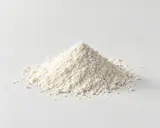
Breakouts after a new whey shake are worth checking, but whey isn't always the cause. Research is mixed. Look at the timing, the full shake and other changes in your routine before blaming one ingredient.
Hives, swelling or breathing trouble after a shake may be an allergy, not acne. Call 911 for breathing trouble or a severe reaction. Don't try the shake again to test a suspected allergy.
If You Want To Leave Whey Out
The useful change is removing a possible trigger, not adding an acne treatment. If you choose to stop using optional whey while reviewing your breakouts, a whey-free powder lets you keep the convenience of a protein shake. Food can do that job too.
The plant powder below contains no whey. That explains its place here, but not a promise of clearer skin: research has not settled whether whey worsens acne for everyone, and this product has not been shown to treat acne. Persistent, painful or scarring breakouts need proper acne care.
What The Evidence Does And Does Not Show
The strongest direct evidence here is a six-month randomized trial involving 49 men with mild-to-moderate acne. Researchers did not find worse changes in acne counts or severity with whey than with a non-whey supplement. That offers some reassurance, but this small study cannot rule out individual reactions or establish the same result for women, severe acne or every commercial blend.
Other evidence raises questions without settling them. Studies linking milk consumption with acne look at a broader food exposure, not necessarily whey powder. They cannot show that your shake caused your breakout. Reports from people who noticed acne after starting whey are worth discussing, but they do not provide a reliable breakout rate or rule out other explanations.
Possible biological explanations for a whey-acne connection also aren't proof of cause and effect. The practical conclusion is uncertainty: whey deserves consideration when the timing fits, but it shouldn't automatically take the blame.
Does Whey Isolate Solve The Problem?
Whey isolate may have less lactose, but it still contains whey. These are different parts of milk:
- Lactose is milk sugar. Lactose intolerance is a problem digesting that sugar.
- Whey is milk protein. Milk allergy involves a reaction to milk proteins, not difficulty digesting lactose.
An "isolate" or "lactose-free" label cannot guarantee fewer breakouts. Reducing lactose does not remove whey protein or establish safety for someone with a milk allergy.
Switching to hydrolyzed whey or mixing your powder with lactose-free milk is not an established fix for the acne question. If your main concern is digestion rather than breakouts, see our guide to protein powder for lactose intolerance.
Start With The Whole Shake And What Changed
Find the container and identify the exact powder, flavor and version, when you started it, and what you mix it with. A whey powder mixed with milk involves more than one dairy ingredient. Also consider whether a new workout routine, skin-care product, medicine or supplement started around the same time.
If the whey shake is an optional convenience, you can choose a whey-free food or powder while the concern is evaluated. That lets you keep getting protein without continuing a product you're worried about. You may not need another powder if your meals already cover the protein you were using the shake to add.
Changing fewer things together makes your observations less confusing. Replacing the shake while also starting several supplements and changing every skin-care product makes it harder to understand what happened.
Do not stop prescribed acne treatment or prescribed vitamin B12 to test a theory about your skin. Discuss changes to prescribed treatment with your clinician.
How Long After Stopping Whey Might Skin Improve?
There is no well-established number of days or weeks for acne to improve after stopping whey. Research has not established an exact whey "washout" period or a skin-clearing deadline that can confirm or rule out whey as the cause.
New breakouts and old red marks are different things. A mark left by an earlier pimple can still be visible without being a new breakout. When watching your skin, note new pimples separately from marks that remain.
The American Academy of Dermatology says acne treatment often takes at least six to eight weeks to produce fewer breakouts. That is a timeline for acne care, not a verified test of what happens after withdrawing whey. Give your existing care plan time to work, but don't use that timeline as a reason to delay care for worsening or scarring acne.
What Can Replace Whey Protein?
You may not need another powder. Beans, lentils, tofu and eggs can supply protein if they fit your food preferences and allergies. A plant protein powder can be useful when a shake is the convenient choice.
| Option | Milk protein? | Convenience | What to check |
|---|---|---|---|
| Whey isolate | Yes | Quick to mix | Still contains whey, even if lactose is low |
| Plant protein powder | No, if the formula is dairy-free | Quick to mix | Protein per serving, ingredients and allergy warnings |
| Beans, lentils, tofu or eggs | No, when prepared without dairy | Preparation varies | Portion, preparation and your food allergies |
Not every vegan powder provides the same amount of protein. Compare grams of protein per serving along with the serving size; the weight of a scoop is not all protein.
Plant-based also does not mean hypoallergenic. Read the full ingredient list and allergy warnings rather than relying on the front of the container. Switching protein sources can remove whey from the shake, but it is not itself an acne treatment.
A Whey-free Powder To Compare
Garden of Life Raw Organic Protein Unflavored, 560 g is one option if you want plant protein without stevia. One scoop of about 28 g on the pictured label provides 22 g of protein, 120 calories and 1 g of fiber. It can replace the protein part of a whey shake; it has not been shown to clear acne.
The ingredients include sesame. Read the full list and allergy warnings before choosing it: plant-based does not mean allergy-free or easier on everyone's stomach.
A note on this product's label
This is the unflavored 560 g version, not vanilla. We used the photographed label for the nutrition example; the store's written listing gives 110 calories instead of 120. Check the label on the container you receive because versions can differ.
Our Garden of Life Raw Organic Protein review covers this same unflavored product.
How To Use A Whey-free Replacement
The pictured Garden of Life label says to mix one level scoop in 10 fl oz of water. The manufacturer's page gives 8-10 fl oz of a drink per scoop. Use the directions on your container. Extra scoops won't turn it into an acne treatment.
Think about what the shake replaces. If it stands in for breakfast, have food such as oatmeal and fruit alongside it rather than assuming a scoop is a complete meal. If it only fills a protein gap between meals, you may not need that larger breakfast-style shake.
Keep gentle skin care and your existing acne care plan in place. There is no proven supplement stack for whey-related breakouts: adding zinc, collagen, probiotics or B12 has not been shown to make this protein switch clear acne. If you need a supplement for a diagnosed deficiency, that's a different reason to take it.
Keep Four Useful Notes
A dated log can make the timing clearer, but it cannot diagnose the cause of acne. Record these four things:
- Start date: When you began using the powder or changed products, and the dates of any later changes.
- Exact powder and serving: The full product name, flavor and version, amount used, and mixing liquid, such as water or milk.
- Skin changes: When new breakouts appeared, where they appeared, and whether they became more painful or frequent. Note old red marks separately.
- Other changes: New skin care, medicines or supplements, plus changes in your workout routine and related skin exposures.
For example, if you started a new shake, began sweatier workouts and switched skin-care products in the same week, the timing alone cannot identify which change mattered. That is useful information to bring to an appointment, not evidence that you did anything wrong.
If breakouts persist despite care, keep getting worse, or become deep, painful or scarring, seek help from a clinician or dermatologist. You do not need a complete log before making an appointment.
Sources
- Sompochpruetikul et al. Randomized trial of whey supplementation and acne. Journal of Dermatology, published January 31, 2024. Abstract. Daily study amounts were 30 g whey plus 18 g of a non-whey nutritional supplement, compared with 46 g of a non-whey supplement. These are research amounts, not directions for managing acne.
- American Academy of Dermatology. Can the right diet get rid of acne?
- American Academy of Dermatology. Workout-related acne.
- American Academy of Dermatology. Acne treatment.
- U.S. Food and Drug Administration. Raw Milk Misconceptions, including the discussion of milk proteins and allergy.
- U.S. Food and Drug Administration. Food Allergies: What You Need to Know.
- Garden of Life. Raw Organic Protein Unflavored, No Stevia. Manufacturer's product information and mixing directions.
- HerbsPro. Raw Organic Protein Unflavored, 560 g product listing data, UPC 658010114158.