
Protein Powder and Diarrhea: What to Check First
Seek prompt medical advice for diarrhea with warning signs such as dehydration, blood, or severe pain. A shake may be involved, but timing alone cannot identify the cause. Check the mixing liquid, ingredient list, serving amount, and any new formula or batch. Gas without loose stools is a different problem. Do not deliberately retry after severe symptoms or suspected allergy.
Call 911 for breathing difficulty, throat swelling, or faintness after a shake. Blood or black stool, severe pain, dehydration, or persistent diarrhea needs prompt medical advice.
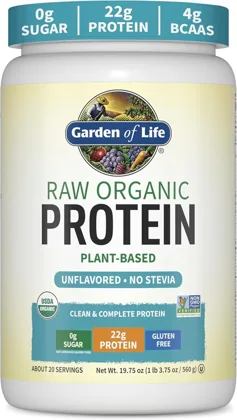
Garden of Life Raw Organic Protein
22 g protein; no stevia on the reviewed formula.
Contains sesame. Not a guarantee of symptom-free digestion.
Check price at AmazonRead the product analysisAffiliate links: we may earn a commission if you buy, at no extra cost to you.
- Check urgent warning signs before considering another shake.
- Compare the current label, mixing liquid, and actual portion.
- Record timing and other changes without treating them as a diagnosis.
On this page
- When does diarrhea after a shake need medical care?
- Is it diarrhea, or mainly gas and bloating?
- What should you check in the shake?
- How do lactose and sweeteners change the assessment?
- How can you make a useful record without retrying the shake?
- What does an unflavored product label tell you?
- FAQ
- References
When does diarrhea after a shake need medical care?
Get urgent care for breathing difficulty, swelling, or faintness after a shake rather than trying another product. These can signal a serious allergic reaction, which is different from lactose intolerance. Follow FDA food allergy guidance and call 911 for a suspected severe reaction.
For diarrhea, NIDDK advises prompt medical attention for warning signs including:
- Signs of dehydration.
- Blood or black stool.
- Severe pain or high fever.
- Six or more loose stools in a day.
- Diarrhea lasting more than two days in an adult.
Older adults, pregnant people, and people with weakened immune systems need earlier, individualized advice rather than relying on these thresholds alone.
Prioritize hydration while you seek appropriate care. Another protein shake is not a replacement for hydration or a way to diagnose the problem. Do not deliberately retry the suspected shake after severe symptoms or a possible allergic reaction.
Is it diarrhea, or mainly gas and bloating?
Loose or watery stools are the problem to track here; gas or a full-feeling belly without loose stools is a different complaint. If gas is your main concern, our bloating and digestion guide addresses that question separately.
A close time link between a shake and diarrhea is useful information, not proof. Diarrhea can result from infection, food intolerance, medication, or another illness. Record when you drank the shake and when symptoms began, but do not use the interval alone to identify the culprit.
Also note whether this was a familiar product or a new tub, flavor, or formula. The brand name alone does not tell you whether ingredients changed. Keep the package so you can compare labels and provide exact product details if you need medical advice.
If the main change is gas rather than watery stool, use the protein-powder bloating checklist. For an established lactose-intolerance diagnosis, compare milk-based and dairy-free powder choices.
What should you check in the shake?
Check the whole drink and what changed around it, not just the word “protein” on the front of the tub. This comparison separates useful observations from conclusions without asking you to drink another serving.
| What to inspect | Useful detail to record | Limit of the clue |
|---|---|---|
| Mixing liquid | Water, regular milk, or another liquid; its amount and any added foods. | Symptoms after the finished drink do not isolate the powder from the other ingredients. |
| Sweetener | The exact ingredient name, not just “sweetened” or “sugar-free.” | A category or front-label claim is not a complete ingredient check. |
| Serving amount | The labeled serving and how much powder you actually used. | More powder means more of its other ingredients too, not just more protein. |
| New flavor, formula, or batch | The ingredient list, allergen statement, lot number, and any changes from the old package. | A new tub does not by itself prove contamination. |
| Other recent changes | Illness, different foods, or medication changes. | Other causes remain possible even when symptoms followed a shake. |
Scroll sideways for all columns.
Use the printed serving information rather than assuming every scoop is equivalent. Record grams only when the package provides the information you need; do not invent a serving weight from a protein number.
How do lactose and sweeteners change the assessment?
Milk in the drink deserves its own check, and a sweetener deserves an ingredient-specific check. Neither “dairy” nor “sweetened” is a diagnosis.
If you used regular milk, include it in the history instead of assigning all responsibility to the powder. Lactose tolerance varies, so there is no universal symptom-free quantity. Restricting dairy can also affect calcium and vitamin D intake; a broad restriction is not something to assume you need after one episode.
Lactose intolerance does not establish milk allergy. If allergy is suspected, do not use a low-lactose claim or whey-isolate marketing as permission to try another milk-protein product. Milk allergy requires a different safety approach.
Lactase may help some people digest lactose, but it does not treat milk-protein allergy or every cause of digestive symptoms. Our digestive enzyme guide addresses the supplement question separately.
Polyols include sorbitol, mannitol, xylitol, maltitol, and erythritol. Stevia is not a sugar alcohol. Tolerance varies; do not rank every sweetener as equally troublesome. See Monash’s polyol explanation.
How can you make a useful record without retrying the shake?
Write down what already happened rather than creating new exposures to fill in the gaps. A clear timeline preserves details that are easy to lose when you are feeling unwell.
A worked example
Suppose your usual preparation was one labeled serving mixed with water. On Tuesday, you opened a different flavor, used twice your usual powder amount, and mixed it with milk. Loose stools followed. That record gives several leads, but it cannot distinguish the powder, milk, portion, or an unrelated cause. It does not justify another shake to prove a theory.
What to put in the log
- The date and time of the shake and the first loose stool.
- The brand, flavor, lot number, and whether the tub or formula was new.
- The amount of powder, mixing liquid, and other ingredients used.
- The number of loose stools and any pain, fever, blood, swelling, or breathing symptoms.
- Recent illness, unusual foods, and medication changes.
Share the record when seeking care. Do not stop or change prescription medicines on your own because the timing seems suspicious; give your prescriber the medication list and symptom timeline instead.
What does an unflavored product label tell you?
An unflavored product’s label tells you what is listed, not whether it will stop diarrhea. Treat another powder as an optional comparison after addressing warning signs and assessing possible triggers, not as the first response to symptoms.
For example, Garden of Life Raw Organic Protein Unflavored / No Stevia has a reviewed ingredient record. The manufacturer lists 22 grams of protein, 0 grams of sugar, and no stevia. Those facts do not establish digestive benefits.
The reviewed ingredient record for UPC 658010114158 includes peas, sprouted grains, seeds and legumes, organic guar gum, enzymes, and a probiotic. It contains sesame, a major food allergen. The record also reports a facility that processes milk, egg, soy, wheat, fish, tree nuts, and sesame.
No named inulin or sugar alcohol appears in that reviewed record. Guar gum should not be treated as another name for inulin. Still, an omitted ingredient is not proof that a product will agree with you, and the presence of enzymes or a probiotic does not establish that this exact powder prevents diarrhea.
Package and retail records can change. Check the current tub’s ingredients, allergen statement, and serving information before relying on the reviewed record. Do not infer that a product is allergen-free or low-FODMAP from ingredients that are not listed.
FAQ
My powder already contains enzymes. Does that settle the lactose question?
No. The word “enzymes” does not tell you whether lactase is included. Lactase may help some people digest lactose, but it does not treat milk-protein allergy or every cause of diarrhea.
Does lactose intolerance require giving up all dairy?
Not automatically. Lactose tolerance differs from person to person, and broad dairy restriction can affect calcium and vitamin D intake. Discuss persistent symptoms and nutritional needs rather than assuming every dairy food must go.
Should I stop a prescription medicine while I sort this out?
Do not stop or change prescription medicines on your own. Medication can be one possible cause of diarrhea, so share your medication list and symptom timeline with your prescriber or pharmacist.
What if the label does not give the serving information I need?
Check the current package and ask the manufacturer about that exact product and flavor. A listed protein amount is not the total weight of a serving. Leave missing quantities unknown rather than estimating them.
Can I try a plant-based powder after a suspected milk-allergy reaction?
Do not deliberately try another shake to investigate a suspected allergic reaction. Plant-based wording is not proof of allergen absence. Get medical guidance first and check the full ingredient and allergen statements before considering another product.
References
Labels and evidence checked October 4, 2026. For general information, not a personal treatment plan.