
Women’s multivitamin with vs without iron
Choose iron content according to need, not the word “women” on the bottle. A multivitamin with iron may help fill a dietary gap when extra iron is appropriate. An iron-free formula is the more relevant comparison when you do not need added iron or have been told to avoid it.
Anemia, possible iron overload, pregnancy and unexplained fatigue call for a clinician-led plan. A general multivitamin is not an iron-treatment prescription.
Keep iron-containing products out of children’s reach. Accidental iron overdose can be fatal. If a child may have swallowed an iron-containing product, contact poison control or emergency medical services immediately; do not wait for symptoms.
On this pageTable of Contents
Two iron-containing formulas to compare
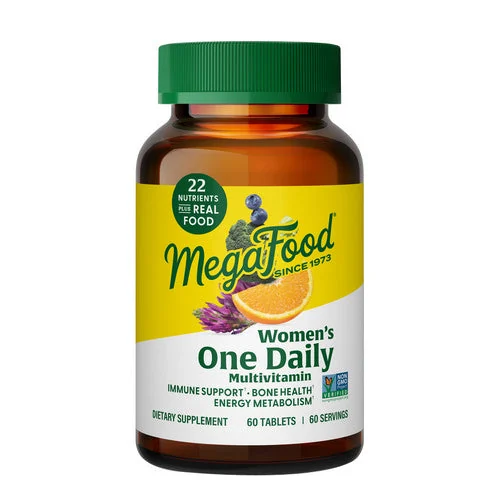
MegaFood Women’s One Daily 60 tablets
9 mg iron in one tablet; 60 servings in the selected bottle.
Check current price at HerbsPro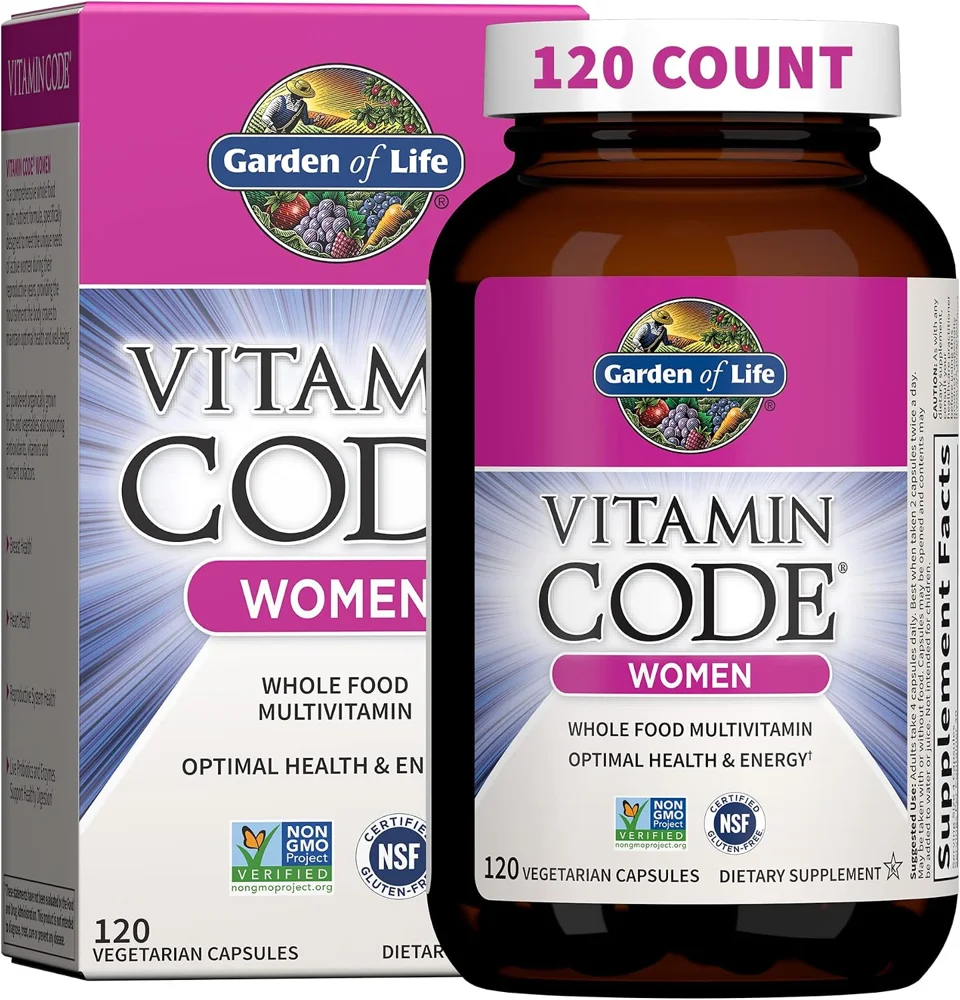
Garden of Life Vitamin Code Women 120 capsules
8.1 mg iron in four capsules; 30 servings in the 120-capsule bottle.
Check current price at AmazonAffiliate links: we may earn a commission if you buy.
How do you decide whether added iron is appropriate?
Menstrual blood loss, diet, age, pregnancy and medical history affect the question. Fatigue alone cannot diagnose iron deficiency, and neither can choosing a bottle marketed to women. A clinician may use symptoms, history and appropriate tests to decide whether extra iron is needed.
NIH reference intakes list 18 mg daily for women ages 19-50 and 8 mg for adults 51 and older. These are total intake reference values, including food; they are not instructions to take an 18 mg or 8 mg supplement. People within the same age group can have different clinical needs.
For testing questions, start with what to ask before taking iron. Heavy bleeding or another source of blood loss requires attention to the cause as well as iron status.
With iron and without iron: the actual tradeoffs
| Check | With iron | Without iron |
|---|---|---|
| Main role | Adds iron as well as other nutrients | Does not add supplemental iron |
| If iron status is low | May not supply the prescribed treatment amount | Does not correct an iron shortfall |
| If you use targeted iron | Count this additional amount | Avoids one source of iron overlap |
| If iron is inappropriate | Not the right match | Check the rest of the formula too |
| Tolerance | Iron can contribute to digestive effects | Other ingredients can still cause symptoms |
Compare the two featured labels correctly
Compare complete servings, not a single capsule against a tablet. The iron amounts on these labels contribute to intake; they are not personalized treatment doses.
They also differ in other nutrients and ingredients. One tablet can be easier to maintain, but convenience does not make the formula a better clinical match. Read each MegaFood review or Garden of Life review before choosing by pill count.
For an iron-free alternative, check that the current Supplement Facts panel lists no iron. A “50+” name does not itself prove that a formula is iron-free.
The rest of the bottle still matters
Compare vitamin D, folate, vitamin A, zinc, biotin and other nutrients with the supplements you already take. An iron-free formula can still create excesses or interactions elsewhere. The multivitamin overlap map helps organize a label-by-label check.
An iron-free liquid is not automatically a complete mineral formula: the MaryRuth's Liquid Morning Multivitamin review shows the additional gaps to compare before switching formats.
Vitamin K matters if you use warfarin. Pregnancy or pregnancy planning calls for appropriate prenatal advice, not an automatic substitution with a general women’s multi.
Cost, tolerance and storage
Use the delivered price divided by full daily servings. Comparing price per capsule makes a four-capsule formula look artificially cheaper. If a product causes digestive symptoms, review the exact formula with a clinician rather than forcing yourself to tolerate it or changing a prescribed iron plan alone.
Store iron-containing products securely, out of children’s reach. If low iron is confirmed, ask how response will be monitored and what to do if it does not improve; do not keep adding products indefinitely.
See how to choose a multivitamin for the broader decision and iron side effects for common tolerance questions.
Sources
- NIH ODS: iron reference intakes and safety
- NIH ODS: Iron, Health Professional Fact Sheet
- NIH ODS: choosing multivitamin/mineral supplements
- MegaFood: Women’s One Daily product page; selected 60-tablet version and suggested use
- Garden of Life: Vitamin Code Women product link; manufacturer product page; 120-capsule Supplement Facts label