
Protein Shakes and Acid Reflux: What to Check
A protein shake can be followed by reflux symptoms without proving that the powder caused them. Before switching brands, check when you drink it, the total amount, the mixer, and any coffee, chocolate, or high-fat additions. These details can help you identify a pattern, but an unflavored powder is not a GERD treatment. Persistent symptoms deserve medical evaluation.
Seek emergency evaluation for new, severe chest pain rather than assuming reflux. Trouble or pain swallowing, persistent vomiting, bleeding, or unexplained weight loss need medical evaluation. Skip home comparisons if these occur.
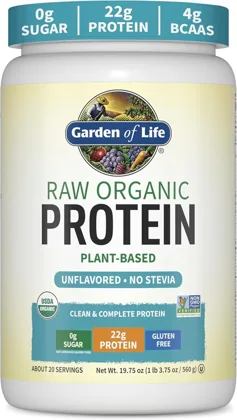
Garden of Life Raw Organic Protein
22 g protein; no stevia on the reviewed formula.
Contains sesame. Not a guarantee of symptom-free digestion.
Check price at AmazonRead the product analysisAffiliate links: we may earn a commission if you buy, at no extra cost to you.
- Separate heartburn from gas or bloating in your notes.
- Check timing, total drink volume, mixer, and add-ins.
- Use the current package for ingredients and allergen warnings.
On this page
Can the protein powder itself be blamed?
A shake may be followed by reflux symptoms, but that alone does not show that its protein powder is the cause. NIDDK's GERD nutrition guidance identifies eating habits and individual food triggers; it does not establish a protein-powder-specific causal link.
Consider the whole drink. Changing tubs while keeping a coffee mixer, the same high-fat additions, and the same bedtime routine may leave other relevant details unchanged. Conversely, changing all of those at once makes it hard to know which change mattered.
Be precise about what happened. Write “heartburn,” “gas,” or “bloating” rather than “bad digestion.” Lactose-related gas is not the same thing as reflux and should not be used as proof of it. If gas or bloating is your main concern, the bloating and digestion guide addresses that separate question.
What should you check before changing brands?
Before buying a replacement, compare timing, total drink size, mixer, and flavor additions. These are practical details to record, not a list of ingredients everyone with reflux must avoid.
For nighttime or lying-down symptoms, NIDDK suggests finishing meals at least three hours before lying down. Include an evening shake when reviewing your eating schedule. The same guidance lists chocolate, coffee or caffeine, and high-fat foods as possible triggers for some people, not universal bans.
| Check | What to record | What switching brands could miss |
|---|---|---|
| Timing | When you finish drinking and when you lie down. | The late-evening schedule may stay exactly the same. |
| Total drink volume | The amount mixed and actually consumed, not just the powder scoop. | A different powder may still produce the same-size drink. |
| Mixer | The exact liquid, including whether it contains coffee. | A coffee mixer remains coffee even when the protein source changes. |
| Additions | Chocolate, coffee, and ingredients that add fat. | Unflavored powder does not remove ingredients you add yourself. |
| Powder | Exact product, flavor, ingredients, and package directions. | A new protein type or flavor can change several ingredients together. |
Scroll sideways for all columns.
Drink volume belongs in the log so comparisons are consistent. These sources do not establish a protein-shake volume limit that prevents reflux.
Gas and abdominal bloating are a different question from heartburn. The bloating troubleshooting guide covers those symptoms separately.
How can you compare one change at a time?
For routine, mild symptoms only, changing one detail makes a log easier to interpret than replacing everything at once. This is not a diagnostic test. Do not intentionally provoke symptoms or reintroduce a known or suspected allergen. If symptoms are severe, persistent, or include any warning signs below, skip the comparison and seek care.
A useful entry includes:
- The exact powder and flavor, mixer, additions, and total amount consumed.
- When you finished the shake and when you lay down.
- The specific symptom, when it started, and how long it lasted.
- The single detail that changed, if any.
What would a timing-only comparison look like?
It would keep the recipe and amount unchanged while moving when the drink ends. Imagine someone with familiar, mild heartburn after a usual shake finished shortly before bed. The entries below illustrate a timing comparison; they are hypothetical, not reported test results.
| Log entry | Recipe and timing | Symptom record |
|---|---|---|
| Hypothetical starting entry | Usual powder, mixer, and amount. Finished at 9:30 p.m.; lay down at 10 p.m. | Familiar, mild heartburn. Record its actual start time and duration. |
| Earlier-timing comparison, if appropriate | Same powder, mixer, and amount. Finished at 6:30 p.m.; lay down at 10 p.m. | Record what actually happens, including no symptoms. Do not assume improvement. |
Scroll sideways for all columns.
The earlier entry leaves more than three hours before lying down, consistent with NIDDK's nighttime guidance. Even improvement would suggest a pattern, not prove that the powder caused earlier symptoms or establish a diagnosis. Do not repeat a troublesome exposure just to “confirm” it.
When might an unflavored powder be an option?
An unflavored powder may be an option when you want to change a flavored recipe, but it is not a treatment for GERD. The mixer, additions, amount, and timing still need review.
The manufacturer's Raw Organic Protein Unflavored / No Stevia listing gives 22 g protein and 0 g sugar and identifies the product as having no stevia. Those are manufacturer label facts, not evidence of reflux prevention or digestive benefit.
The reviewed ingredient record for UPC 658010114158 includes pea, sprouted grain, seed, and legume ingredients, plus sesame and organic guar gum. It also lists enzyme and probiotic ingredients. Their presence does not demonstrate that this powder treats reflux.
This is not an allergy-free option: sesame appears in the reviewed record. The record also identifies a facility processing milk, egg, soy, wheat, fish, tree nuts, and sesame. Retail records and packages can differ, so these details are not a guarantee of the label on a current purchase. Check the current pack's complete ingredients, allergen statement, and serving directions.
If you are considering this product, use the Raw Organic Protein ingredient overview to understand the reviewed version, then compare it with the package you will use.
Is another powder worth buying?
Decide whether you need a replacement before comparing prices. A different powder may not address an unchanged bedtime routine or mixer, and the cited evidence does not establish a “reflux-safe” brand.
If you do compare products, start with the feature you intend to change. Compare the actual ingredients rather than treating “plant-based,” “unflavored,” or “no stevia” as a reflux rating. If you are reconsidering whether powder fits your routine at all, see food first versus supplement first.
For a basic price comparison, use package price divided by the number of labeled servings. A hypothetical $30 tub with 20 servings costs $1.50 per serving; a hypothetical $42 tub with 30 servings costs $1.40 per serving. These are examples, not current prices. If serving sizes differ, the figures compare labeled servings, not equivalent protein amounts or reflux outcomes.
When should you get medical help instead?
Warning signs take priority over ingredient comparisons. Difficulty or pain swallowing, persistent vomiting, bleeding, or unexplained weight loss need medical evaluation, not another brand trial.
New, severe chest pain may require emergency evaluation. Do not assume it is harmless reflux because it happened after a shake or resembles a previous episode.
Symptoms that persist or keep returning also deserve a clinician's review. Bring the package or a label photo and your notes about the complete recipe, timing, and symptoms. A clear record can support that conversation, but it cannot replace an evaluation.
FAQ
Would switching from whey to plant protein identify the cause?
Not by itself. Different products may also differ in flavorings and other ingredients. If the mixer, amount, or timing changes too, you cannot isolate the protein source. The cited guidance does not establish either protein type as a reflux treatment.
Are enzymes, probiotics, or alkaline claims evidence of reflux relief?
No reflux benefit for the named powder is established by the sources cited here. Added enzymes or probiotics are ingredient facts, not proof of treatment. An alkaline marketing claim likewise does not demonstrate that a finished shake treats GERD.
Does guar gum mean a powder contains inulin?
No. Guar gum is not inulin. The reviewed Raw Organic Protein record names organic guar gum but no inulin or sugar alcohol. That absence does not establish low-FODMAP status, and the current package may differ.
What if I already have a GERD treatment plan?
Keep the powder question separate from treatment decisions. A label or home log is not a reason to change prescribed care. Discuss persistent symptoms and the shake's recipe with the clinician managing your GERD.
What if the online ingredient list and my package disagree?
Do not merge the two lists. Check the exact flavor and UPC, examine the package in hand, and contact the manufacturer if the discrepancy affects an ingredient or allergy decision. An online record may describe a different revision.
References
Labels and evidence checked October 4, 2026. For general information, not a personal treatment plan.