Goal guide
Tired On A Vegan Diet? Check Your Food And Supplements
A vegan diet can meet your nutritional needs, but replacing meat with a smaller plate of vegetables may leave you short on food or protein. Start by checking your meals, sleep and activity, and whether you have a reliable vitamin B12 source. Tiredness alone can't tell you whether low iron, low B12 or something unrelated is the cause.
First, Check What Replaced The Foods You Removed
Think about what changed on your plate, not just which foods you stopped eating. If you removed chicken, fish, eggs or dairy without putting much back, your meals may now provide less food and protein than before. Vegetables still belong on the plate, but they don't necessarily replace everything you removed.
A useful starting point is to include a protein food, a grain or other starch, and some fat alongside your vegetables. For example:
- If lunch became a salad without the chicken: Keep the salad, but add beans or tofu, rice or bread, and an oil-based dressing.
- If dinner became vegetables alone: Add lentils or tofu, potatoes or a grain, and some fat rather than simply making the vegetable portion larger.
You don't need a universal calorie target or an athlete's protein plan to make this check. Look at whether meals are substantial enough for your usual day. If you also started exercising more, consider whether your food intake kept up. A vitamin pill won't supply the food missing from a much smaller lunch or a skipped dinner.
Make B12 A Reliable Part Of Your Routine
B12 deserves attention even when you feel well. Reliable natural sources are mainly animal foods, so a vegan eating pattern needs dependable fortified foods, an appropriate supplement routine, or both. NIH guidance on vitamin B12 explains why people eating vegan diets have a higher risk of deficiency and how fortified foods and supplements can reduce that risk.
Check the actual labels of foods you use regularly. Look for vitamin B12, the amount per serving and the serving size, then consider how much and how often you really eat that food. Fortified breakfast cereal or fortified nutritional yeast can contribute B12. Unfortified nutritional yeast, seaweed and spirulina are not a reliable B12 plan.
Understand The Daily Need And The Supplement Label
For most adults, the recommended dietary allowance is 2.4 micrograms (mcg) of B12 a day. That's a target for total nutrient intake, not a prescription to take a 2.4 mcg tablet.
Your body absorbs only part of the B12 you swallow, and the share absorbed changes with the amount taken. That helps explain why supplement labels can show amounts much higher than the daily requirement. It does not mean every vegan adult needs 5,000 mcg a day.
If fortified foods aren't a consistent part of your routine, a B12 supplement can provide a dependable source. Use the directions for that specific product rather than guessing from the daily requirement. Preventing a shortfall is different from treating a diagnosed deficiency, especially when someone has trouble absorbing B12. A general supplement label is not a treatment plan for that situation.
Don't Use Timing Or An Energy Boost As A Test
The body can store enough B12 to last several years. Feeling tired soon after changing your diet doesn't prove that the change has already caused a B12 deficiency. But timing alone also can't rule out a shortage that was developing beforehand.
B12 deficiency can cause tiredness and nerve problems. On the other hand, extra B12 does not improve energy in people who already have enough, according to the NIH review of B12 and energy. Whether you feel different after taking a tablet is not a dependable way to judge your B12 status.
For the nutrient itself, see our vitamin B12 guide rather than assuming more always means more energy.
Do Not Treat Every Tired Day As Low Iron
Iron deficiency is one possible explanation for fatigue, but not eating meat doesn't automatically mean you need an iron supplement. Your intake, how well you absorb iron and whether you're losing blood all matter. Iron from plant foods is absorbed less readily than the readily absorbed form found in meat, so meal planning deserves attention.
For a practical food step, pair beans or lentils with a vitamin C food. That could mean beans with bell peppers or an orange after a lentil meal. Vitamin C helps the body absorb plant iron, but this does not prove that you need extra iron or make an iron pill safe for everyone. See NIH guidance on iron absorption and supplement risks.
If tiredness persists, a clinician can decide whether iron testing is appropriate. Mention heavy periods or other blood loss, as well as your diet change. Ferritin is a blood measurement used to assess stored iron, but it needs to be interpreted alongside your symptoms and other findings. A number viewed on its own is not a self-treatment plan.
Too much supplemental iron can be harmful, and iron can interact with medicines. Don't add it to a B12 routine simply because both nutrients can be involved in fatigue. A need for one does not establish a need for the other.
Our blood tests before iron guide explains why fatigue alone is not an iron diagnosis.
Where A Plant Protein Powder Can Help
A powder is worth considering when your usual meals leave an actual protein gap and convenience would help you fill it. If beans, lentils, tofu and other protein foods already meet that need, you may not need a powder. Its role here is to support a meal, not to treat unexplained fatigue.
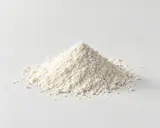
Garden of Life Raw Organic Protein, Unflavored No Stevia, 560 g is one option for that limited role. The matched 560 g product listing gives 22 g of protein and 110 calories per 28 g scoop. Those numbers describe what the serving supplies; they are not evidence that this brand improves tiredness.
The manufacturer's mixing directions specify one scoop with 8-10 fl oz of liquid. If you use it as a drink, having it alongside oatmeal or other food makes more sense than assuming that a small shake replaces a whole breakfast. It is not a complete meal, a fatigue treatment or a replacement for a reliable B12 routine or needed iron treatment.
A full serving isn't a requirement for everyone. Consider what your food already provides and how well you tolerate the powder rather than automatically adding a scoop every day. This product contains sesame, so it isn't suitable for someone with a sesame allergy.
These details apply to the 560 g Unflavored No Stevia version, UPC 658010114158. The retailer's listing identifies 560 g even though its web address still contains "622g." Match the name, size and label on the container you receive; don't assume another flavor or version has the same formula or serving information.
A Three-Day Food And Energy Check
For three ordinary days, make a brief record of your food and tiredness. This isn't a calorie-counting challenge or a way to diagnose a deficiency. It can help you see what changed and give a clinician or registered dietitian something more useful than "I've been eating vegan."
| Record | Useful Details |
|---|---|
| Meals and portions | Foods, rough serving sizes, drinks, snacks and skipped meals. Note the protein food in each main meal. |
| B12 sources | The B12 amount per serving on fortified-food and supplement labels, plus how much and how often you actually use them. |
| Sleep | Roughly how long you slept and whether sleep was interrupted. |
| Activity | New workouts, longer sessions or a more physically demanding routine. |
| Tiredness | When it starts, whether it follows long gaps between meals and whether it interferes with ordinary activities. |
For example, if the record shows that lunch is now only a small salad and dinner is much smaller than before, making those meals more substantial is a practical place to start. If you can't identify a clear food gap, don't keep adding products in search of one. Take the record to an appointment if tiredness continues. You don't need to finish all three days before seeking help.
Review Other Nutrients Without Adding Pills Automatically
Iodine, calcium and vitamin D also belong in a review of your overall vegan eating pattern. That doesn't mean each needs a separate pill or that one of them explains your tiredness. Include fortified foods and any existing supplements in your record so you can review what you're already getting before buying more.
Keep the decisions separate: a dependable B12 source, treatment for a confirmed deficiency and protein added to an incomplete meal serve different purposes. Combining B12, iron and protein powder does not make them an established treatment for fatigue.
For separate food gaps, start with iodine on a vegan diet and check the foods you actually eat.
What To Expect After A Change
There isn't a dependable seven-day fix for tiredness after going vegan. If you were eating too little, making meals more substantial addresses that shortfall, but there is no guaranteed number of days by which your energy should improve. Keep track of whether everyday activities become easier rather than expecting a particular feeling after one meal or supplement.
If testing finds a deficiency, treatment and follow-up depend on the deficiency and its cause. Ask what improvement to watch for and when reassessment is needed. A routine intended to prevent a nutrient gap is not necessarily enough to correct an existing problem.
Symptoms That Need Medical Advice
Arrange a medical assessment if tiredness keeps returning, is getting worse or limits your normal activities. The timing of a diet change can be useful information, but it doesn't establish that food is the only cause. Bring your food record, supplement labels and information about any bleeding or other symptoms.
Don't keep increasing supplement amounts while putting off an assessment. For chest pain, fainting, new shortness of breath or the new nerve-related symptoms described above, seek help without waiting to see whether fuller meals or B12 make a difference.
Sources
- NIH Office of Dietary Supplements: Vitamin B12 - dietary needs, reliable sources, deficiency and evidence on energy.
- NIH Office of Dietary Supplements: Iron - absorption, assessment and supplement risks.
- Garden of Life: Raw Organic Protein, Unflavored No Stevia - product information and mixing directions for the named version.
- HerbsPro: Garden of Life Raw Organic Protein, 560 g - serving information, sesame warning and product identity. The web address retains the legacy "622g" wording.
General information, not individual medical advice. How We Review.