
Practical supplement guide
Can psyllium help loose stools? What the evidence and precautions say
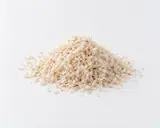
Yes, psyllium can improve the consistency of loose stools in some situations, even though it is often sold for constipation. It is not a treatment for every cause of diarrhea. For repeated loose stools, psyllium may be an option under professional guidance; a new illness or medicine-related change needs attention to its cause.
When loose stools need medical attention
Get medical help promptly for dehydration, severe abdominal or rectal pain, frequent vomiting, black and tarry stools, or stools containing blood or pus.
Adults should also contact a clinician for diarrhea lasting more than two days, a high fever, or six or more loose stools in a day. Do not wait two days if a warning sign is already present. Seek advice sooner if you are an older adult, are pregnant, are taking antibiotics, or have a weakened immune system.
| Situation | Next step |
|---|---|
| New diarrhea during an acute illness or suspected food poisoning | Focus on hydration and the warning signs above rather than assuming fiber is the answer. If diarrhea began after a medicine change, check with the prescriber or pharmacist. |
| Repeated or ongoing loose stools | Arrange an assessment of the cause. Ask a clinician whether psyllium is appropriate for your situation. |
| Swallowing trouble or a suspected intestinal blockage | Do not start psyllium on your own. Get medical advice first. |
Affiliate link: we may earn a commission if you buy.
Why a fiber for constipation can also help loose stools
Psyllium absorbs water and forms a gel. With constipation, that water-holding property can help keep stool softer. With loose stools, holding water within the gel can help give stool a more formed consistency. These effects explain why the same fiber can be useful for different stool problems.
What the research shows
In a 2014 randomized trial of 189 community-dwelling people with loose or liquid stool leakage, called fecal incontinence, researchers compared psyllium, gum arabic, carboxymethylcellulose and placebo. Psyllium reduced leakage frequency compared with placebo and produced a fecal gel. The study addressed stool leakage, not acute infectious diarrhea, so it does not establish psyllium as a treatment for a new infection.
Before using psyllium
- Mix it with enough liquid. MedlinePlus says to mix psyllium powder or granules with at least 8 oz (240 mL) of liquid immediately before use. Follow your product's preparation instructions, and do not swallow the powder dry. Loose stools do not remove this requirement: psyllium still absorbs water and swells.
- Check your medicines. Ask a pharmacist whether psyllium needs to be separated from any of your exact medicines, and by how long. Do not assume one spacing rule applies to every medicine.
- Distinguish fiber from powder weight. Grams of product or powder are not necessarily grams of total fiber. A study's research amount is not a dosing instruction for a retail product; your product's label governs preparation.
Keep up hydration. Do not cut back on fluids to try to make stool thicker.
If bloating is a concern, see our guide to psyllium and bloating.
Sources
- MedlinePlus: Psyllium - preparation, precautions and medication information.
- NIDDK: Symptoms and Causes of Diarrhea - adult warning signs and reasons to seek medical help.
- Bliss et al. (2014): Randomized trial of fiber supplementation for fecal incontinence.
Sources checked October 11, 2026. How we review. General information, not personal medical advice.